 1
1
 0
0
By Bilkis Abdulraheem Lawal
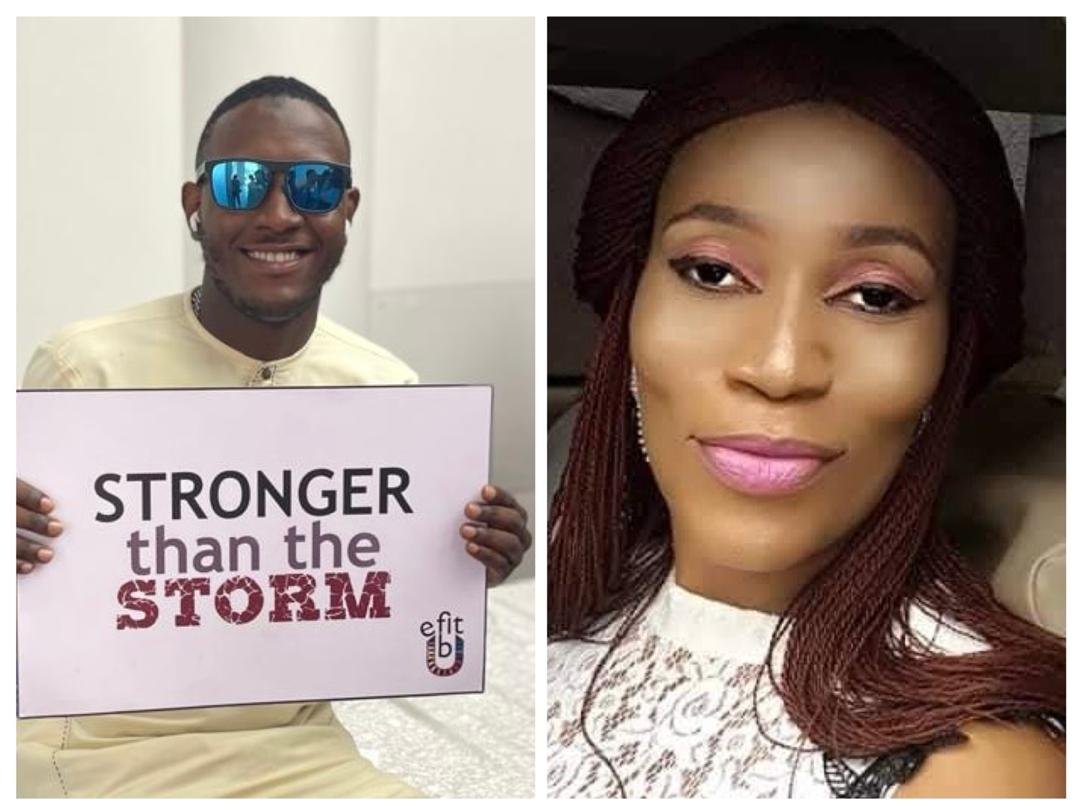
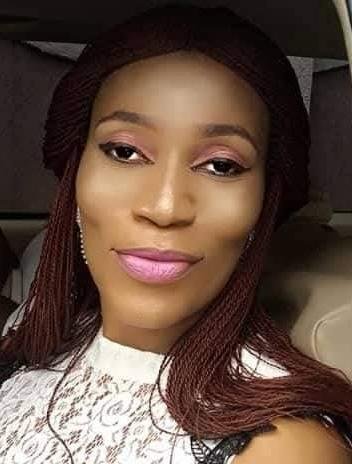
Breast and colon cancer survivors, Egone Omejevwe and Tosin Adewale. Photo: Bilkis Abdulraheem Lawal
Two Nigerian cancer survivors recount delayed diagnosis, misinformation, treatment fears and the enormous cost of care, while oncologists urge early diagnosis, evidence-based treatment and greater investment in cancer services.
When Egone Omejevwe was told in 2023 that the breast cancer she had first noticed three years earlier had spread to her liver and bones, she thought she was going to die.
The former model and certified accountant had already spent years navigating conflicting medical opinions, fear, supplements and unproven remedies. Now, she was living with metastatic, stage-four breast cancer.
At one point during her treatment, the physical and emotional burden became so overwhelming that she stopped eating and taking her medication for three days, hoping death would come.
It did not.
“I believed God wasn’t done with me,” she said.
Omejevwe eventually resumed her medication and continued treatment.
Today, her experience forms part of a message cancer specialists and survivors want Nigerians to hear: a cancer diagnosis is not automatically a death sentence.
That message is important in a country where cancer remains a major health burden.
The International Agency for Research on Cancer estimates that Nigeria recorded 152,261 new cancer cases and 90,795 cancer deaths in 2024. The same data estimates that 292,934 people were living within five years of a cancer diagnosis. Breast cancer was the country’s most common cancer, with 44,196 new cases, while prostate cancer recorded 24,396 cases.
For many patients, however, the battle begins long before treatment, with recognising symptoms, obtaining an accurate diagnosis and reaching a specialist.
“I thought it was just a normal lump”
Omejevwe noticed a lump in her left breast in early 2020 but initially ignored it because she thought it was similar to the normal lumps she had experienced before.
When she noticed changes in the lump, she confided in her mother and a friend.
Then she lost her mother in May 2020.
After her mother’s burial, she visited a hospital in August.
Omejevwe said she was told by a doctor at a private facility that the lump was a spiritual attack.
Still determined to establish what was happening, she later visited a teaching hospital, where she was advised to have a biopsy.
She became concerned about the way the biopsy was handled and independently traced the laboratory where her sample had been taken.
She said she was informed there that the lump was still at an early stage.
But instead of beginning specialist cancer treatment, she was advised to try bitter leaf, soursop and other local remedies.
Looking back, Omejevwe said her biggest regret was not finding the right oncologist early in her illness.
By 2022, she said, further medical assessment showed that the cancer had progressed to stage two.
She was frightened of chemotherapy and followed advice from people who encouraged her to take supplements. She said she spent millions of naira on them without seeing the improvement she expected.
By 2023, following another consultation in Port Harcourt and a CT scan, she received the devastating news that the disease had become metastatic, with spread to her liver and bones. She was now at stage four.
Her experience illustrates why cancer specialists repeatedly emphasise early diagnosis.
The World Health Organisation says cancers are more likely to respond to treatment when detected early, with a greater probability of survival, less morbidity and lower treatment costs. Early diagnosis depends on recognising symptoms, having access to diagnostic services and being referred promptly for treatment.
A wider Nigerian diagnostic gap
Omejevwe’s difficult route to diagnosis also reflects broader challenges in accessing cancer diagnostic services in Nigeria.
A national study of breast cancer early-detection and diagnostic facilities found 1,336 facilities providing breast ultrasound but only 218 offering mammography. Of the facilities providing breast ultrasound, just (33 of 1,336) 2.5 per cent also provided ultrasound-guided breast biopsy.
The study also found significant geographical inequalities in access, particularly between northern and southern Nigeria and across geopolitical zones.
For patients, such gaps can mean travelling long distances, waiting for appointments or moving between facilities before receiving a definitive diagnosis. And every delay can matter.
When fear becomes another barrier
Omejevwe eventually began treatment around October or November 2023.
But her fear of treatment did not disappear.
In January 2024, another cancer patient introduced her to a herbalist. Omejevwe stopped her prescribed medication and turned to herbal treatment.
She returned to her medication only after the pain became severe and she experienced bleeding for four weeks.
The patient who introduced her to the herbalist later died from cancer.
Omejevwe said the experience reinforced the importance of remaining on evidence-based treatment.
She also had to confront the side effects and physical consequences of cancer treatment.
A sore on her breast produced pus and an unpleasant smell, affecting her confidence and self-esteem. She experienced medication side effects and faced the high cost of treatment.
She estimates that she has spent close to N100 million on treatment, travel, accommodation and transportation since beginning her cancer journey.
She believes she would have spent considerably less had she started appropriate treatment earlier.
Despite the pain, she continued pursuing parts of her life outside cancer. During her treatment, she enrolled for a professional course and excelled.
Her younger brother, she said, has also been a major source of support financially.
“I thought I had lost the battle”
Omejevwe is not the only Nigerian survivor who confronted advanced cancer and believed the disease would kill him.
Tosin Adewale, another survivor, said the warning signs began with fatigue, persistent stomach pain, watery stool containing traces of blood and weight loss.
He initially attributed the symptoms to pressure from work. One faithful day, he passed out and was taken to a private hospital around Mushin, Lagos, where he said he was diagnosed with malaria and anaemia. But treatment did not resolve his stomach problems.
A CT scan later revealed colon cancer.
Adewale said his symptoms began in January 2024 but he could not see a specialist until March. By then, he said, he had been diagnosed with stage-four colorectal cancer.
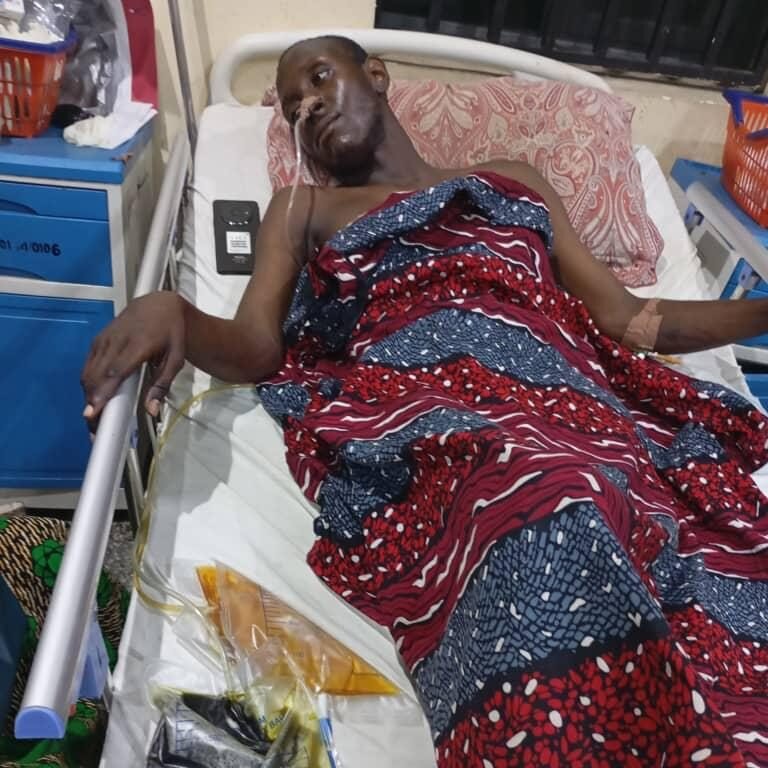
He was referred to General Hospital, Odan, Lagos Island, where he underwent a colonoscopy and biopsy.
“I thought I was going to die,” he said.
His treatment involved chemotherapy to reduce the size of the tumour, followed by surgery and further chemotherapy.
But treatment came with a huge financial burden.
Adewale said he was spending about N2.5 million every 21 days and at one point resorted to begging for money to continue treatment.
He also received between 12 and 15 pints of blood during his treatment.
Like Omejevwe, he encountered negative perceptions about chemotherapy.
But chemotherapy remained part of his treatment.
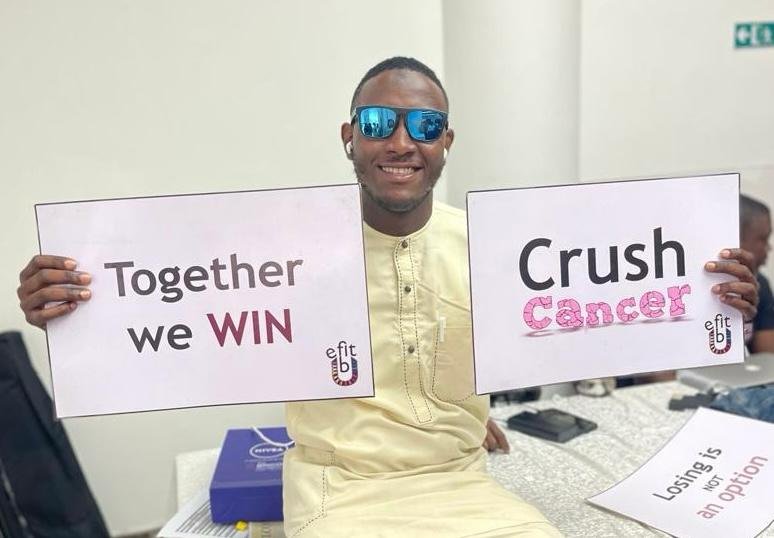
“There were times I felt like I had lost the battle, that I was going to die,” he said.
He kept going.
Today, Adewale pays greater attention to his diet and says the experience has changed the way he looks after his health.
His cancer journey also mirrors a significant part of Nigeria’s cancer burden.
According to GLOBOCAN 2024, colorectal cancer was the country’s fourth most commonly diagnosed cancer, with 10,212 cases recorded that year.
“More people are surviving cancer”
Dr Omolola Salako, a Clinical and Radiation Oncologist at the College of Medicine, Idi-Araba, Lagos, said the narrative surrounding cancer must change.
Salako, popularly known as the “People’s Oncologist”, said the assumption that cancer automatically means death is false.
“Many people have heard that cancer is a death sentence and that is a false narrative because more people are surviving cancer,” she said.
She spoke during a virtual session with the 2026 Naija Cancer Watch Fellowship, a health journalism programme organised by her non-governmental organisation, Sebeccly Cancer Care, to equip journalists with skills for accurate and evidence-based cancer reporting.
Salako also stressed that cancer is not contagious and urged the media to focus on early detection, treatment and survivorship rather than fear and stigma.
“A lot of cancer survivors are silent. For every one survivor that we have at Sebeccly, there are a hundred more survivors that don’t want to share their stories,” she said.
She urged journalists to approach people living with cancer with empathy.
“Apply the principle of empathy when interviewing persons living with cancer. Empathy means that you understand what they are passing through but you are not to absorb it,” she said.
Treatment gaps threaten the promise of survival
Salako said telling Nigerians that cancer is treatable must go hand in hand with improving access to treatment.
She identified limited radiotherapy capacity as one of the challenges facing cancer patients, saying only about 18 states have such facilities.
Salako called for greater investment by private individuals and corporate organisations in cancer treatment centres and specialised equipment.
“Our corporate sector, many people can gift cancer centres with radiotherapy machines. To set up a radiotherapy centre, you need $15 million,” she said.
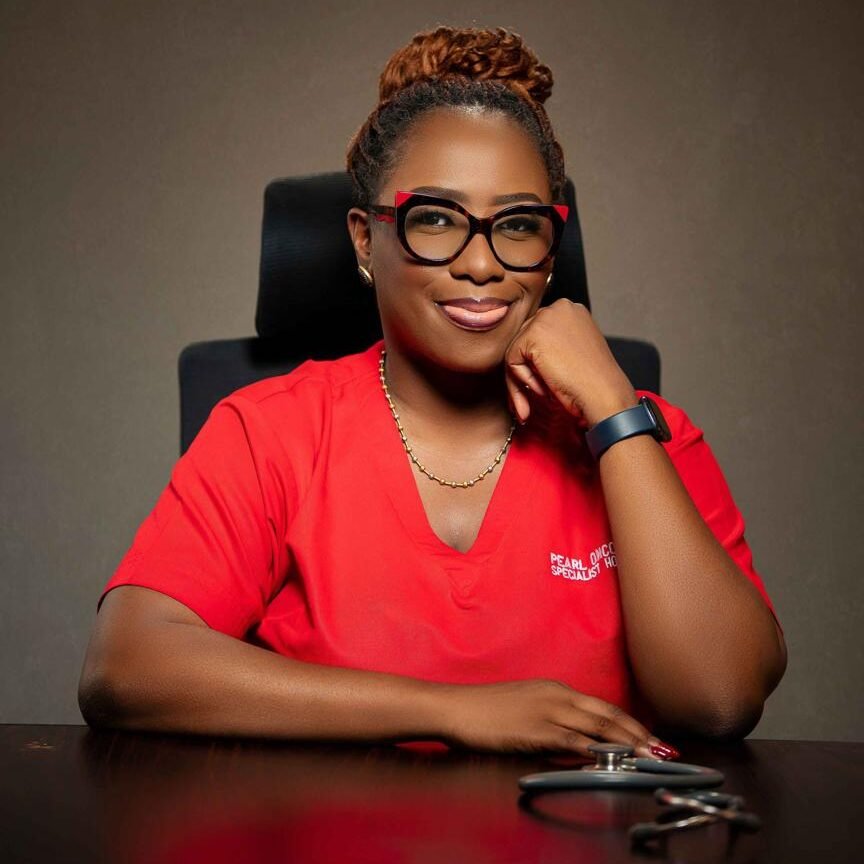
She urged wealthy Nigerians to consider supporting cancer care in their states rather than waiting entirely for government intervention.
“Every millionaire or billionaire can set up a cancer centre in its state. We don’t have to wait for the government,” she said.
According to her, greater investment would reduce the distance patients travel for specialised treatment and ease pressure on existing facilities.
Not every lump is cancer
Dr Popoola Olaiya, a Consultant Clinical and Radiation Oncologist at Pearl Oncologist Specialist Hospital, cautioned Nigerians against assuming that every lump is cancerous.
“A lump is a swelling,” he explained, adding that proper medical examination and investigation are necessary to determine its cause and guide treatment.
He said cancer does not have one single known cause but identified risk factors including smoking, alcohol, HPV, genetic factors, among others.
Symptoms can vary according to the part of the body affected, he said, although pain, weight loss and anemia are among symptoms commonly seen in cancer patients.
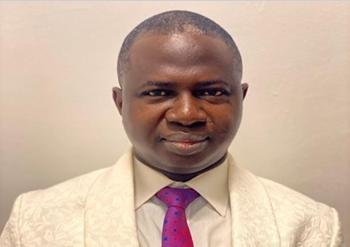
Olaiya called for increased cancer research, more specialists and stronger support for patients.
He also urged organisations and well-meaning Nigerians to contribute to cancer care, saying the responsibility should not rest on government alone.
Hope, but not complacency
The experiences of Omejevwe and Adewale do not suggest that advanced cancer is easy to treat or that every patient will have the same outcome.
Stage-four cancer can be life-threatening, and survival depends on the type of cancer, its biology, the extent of spread, the patient’s condition and access to appropriate treatment.
But their stories challenge the fatalism that can accompany a cancer diagnosis.
For Nigerians, the lesson from the two survivors is therefore not to ignore the seriousness of cancer, but not to surrender to it either.
A persistent lump, unexplained weight loss, unusual bleeding, prolonged pain or other worrying changes should not simply be dismissed or attributed to stress, spirituality or ordinary illness.
And once cancer is diagnosed, patients need accurate information and qualified specialists, not false promises of instant cures.
Omejevwe’s journey has cost her physically, emotionally, financially and she would continue her medication for five years. While Adewale’s case brought him face to face with his own mortality.
Both nevertheless continued treatment and are still here.
Their stories offer a message that oncologists want patients and families to remember: cancer may change your life, but a diagnosis does not mean you should give up hope.


