 0
0
 0
0
By Sodiq Adebara
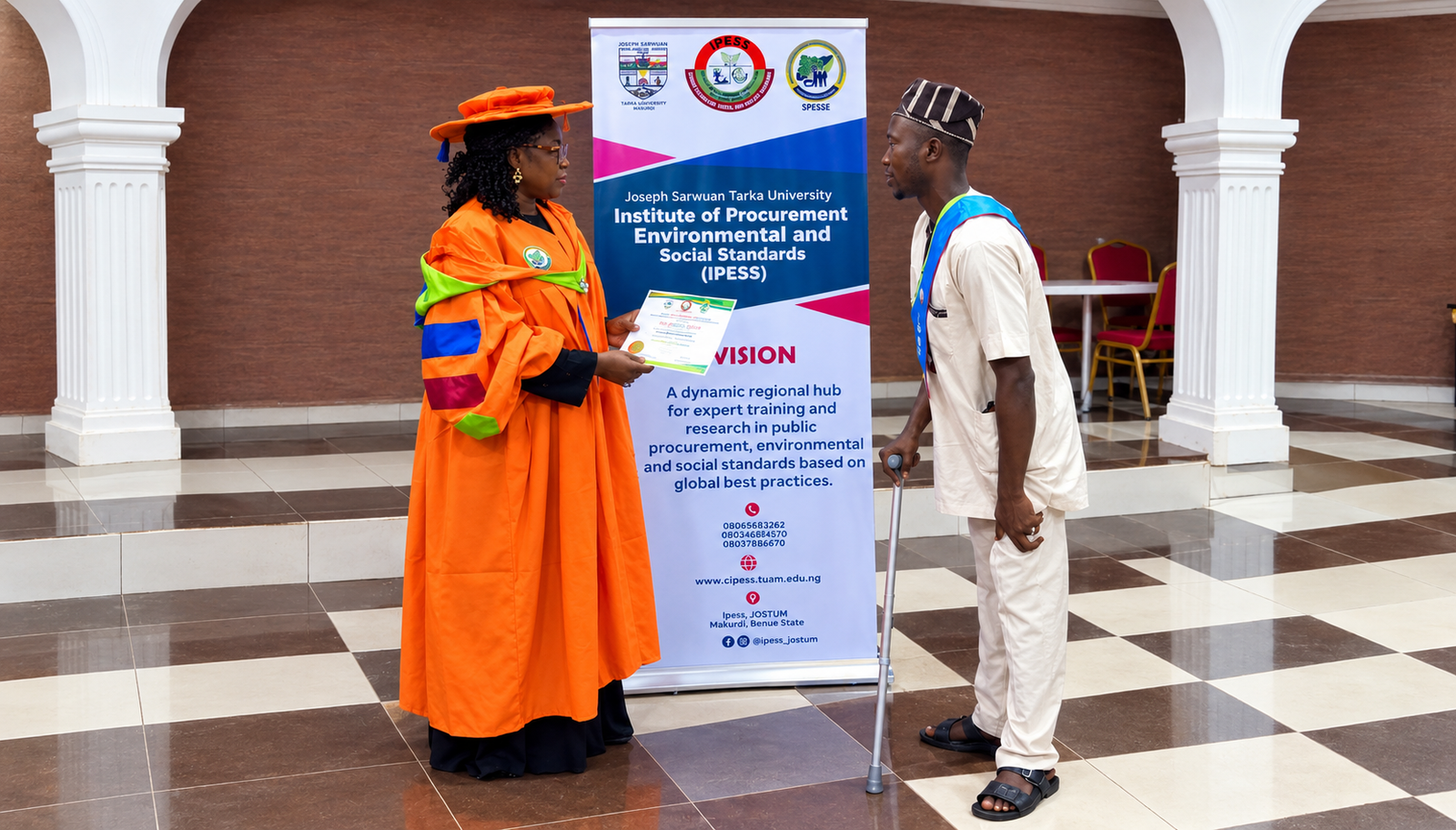
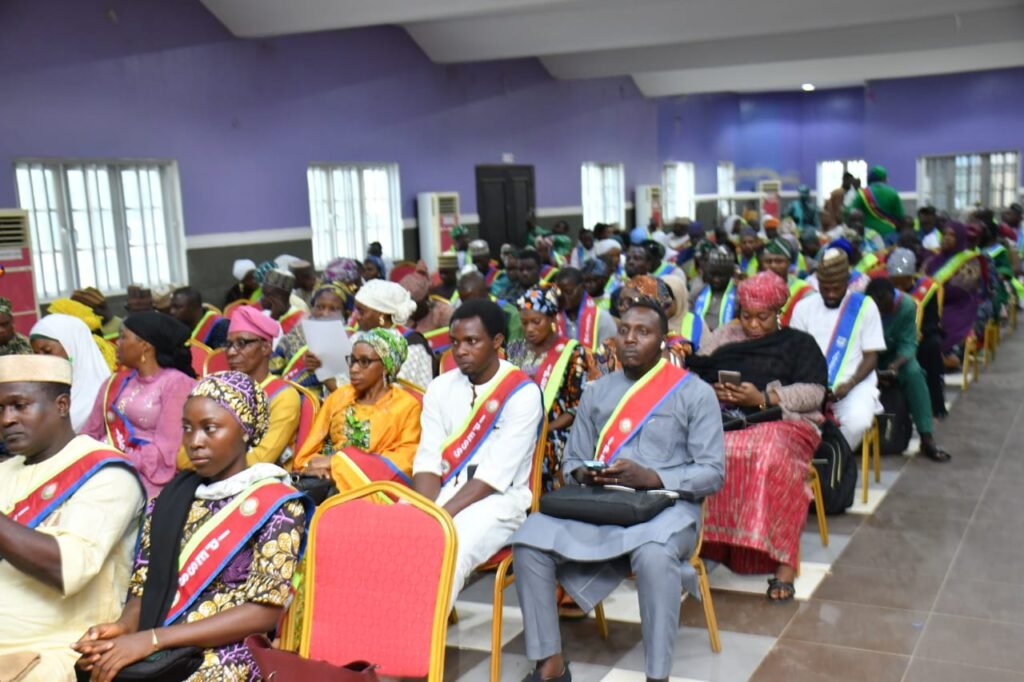
No fewer than 350 participants have graduated from the Sustainable Procurement, Environmental and Social Standards Enhancement (SPESSE) Project executive short course held in Kwara State.The two-week intensive programme, organized by the Institute of Procurement Environmental and Social (IPESS), Joseph Sarwuan Tarka University Makurdi
was designed to address critical professional skills gaps in procurement, environmental and social standards among Nigeria’s public and private sector workforce.
Speaking at the closing ceremony and certificate presentation, the Project Centre Leader and Director, Prof. Lami Nnamonu, described the training as a significant milestone towards professionalising manpower and strengthening institutional capacity in the state.
Nnamonu said the 35-hour intensive programme focused on three core areas: procurement standards, environmental standards and social standards.
She explained that the initiative was informed by a nationwide survey conducted by the Federal Government in collaboration with the World Bank, which identified significant knowledge gaps in standard procurement and safeguard practices.
According to her, Nigeria is the first country to secure a World Bank loan specifically dedicated to training and professionalising its workforce in the three critical standards.
She said the participants comprised senior government officials, including the General Manager of the Kwara State Procurement Agency, university professors, commissioners and directors, as well as private sector workers, civil society members, corps members and job seekers.
She commended the Kwara State Government for supporting the programme, particularly for releasing key civil servants to participate in the two-week training and providing transport and data logistics for participants.
Nnamonu urged the graduating participants to regard the training as a major career milestone and encouraged them to proceed to Track B Advanced Certificate level and obtain formal certification from relevant regulatory authorities, including the Bureau of Public Procurement, Federal Ministry of Environment and Federal Ministry of Women Affairs.
One of the participants, Mr Adedoyin Ojewole, commended the organisation of the programme and the quality of instruction, describing the facilitators as highly professional.
Ojewole expressed appreciation to the university for decentralising the training to Kwara State, saying the knowledge acquired would empower participants to respond effectively to current societal needs without compromising the ability of future generations to meet theirs.
Also speaking, a staff member of the Kwara State Ministry of Communications, Mrs Rukayat Abdulhamid, described the training as “mind-blowing” and impactful.
Abdulhamid said the programme had changed her perspective on social standards, development projects and the measurement of social interventions, noting that it provided an opportunity for participants to learn, unlearn and relearn contemporary safeguard and development strategies.
She expressed appreciation to the organisers and called for the periodic extension of similar capacity-building initiatives to promote continuous professional development among public servants and development practitioners in the state.
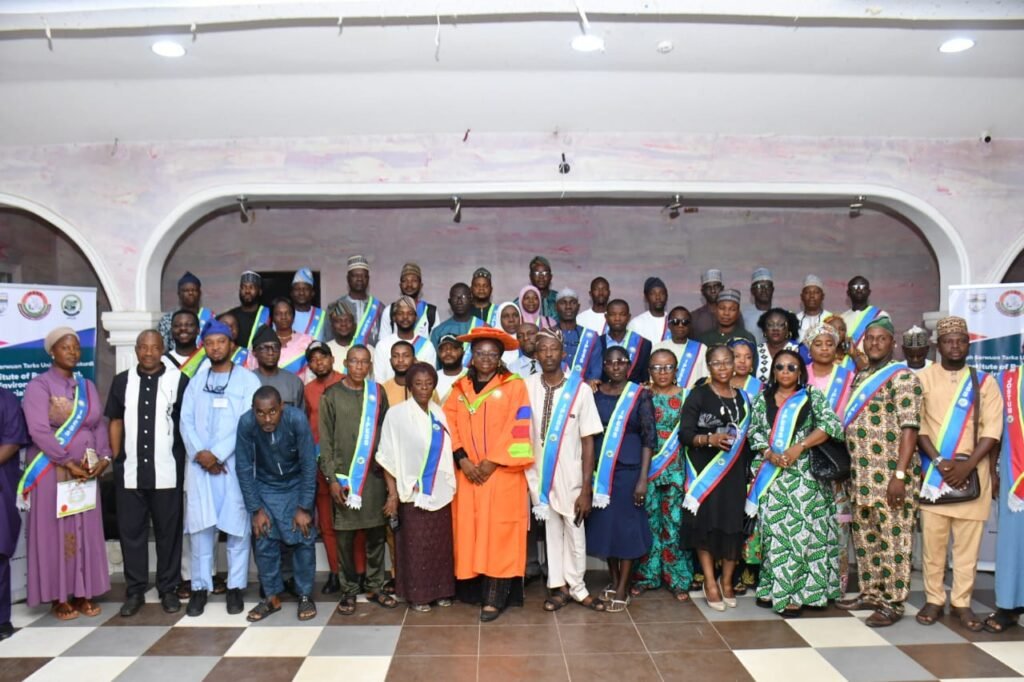
The highlight of the event was presentation of certificates to the 350 graduates, who are expected to apply the knowledge acquired in promoting improved procurement practices and environmental and social standards across their respective institutions.
The Institute of Procurement, Environmental and Social Standards, (IPESS) at the Joseph Sarwuan Tarka University, Makurdi, (JOSTUM) is supported by the World Bank under the Sustainable Procurement Environmental and Social Standards Enhancement (SPESSE) project, which is hosted by universities across the six geopolitical zones of Nigeria, with a mandate to build sustainable human capacity in procurement, environmental and social standards for sustainable development.


