 0
0
 0
0
By Abdullah Ahmed
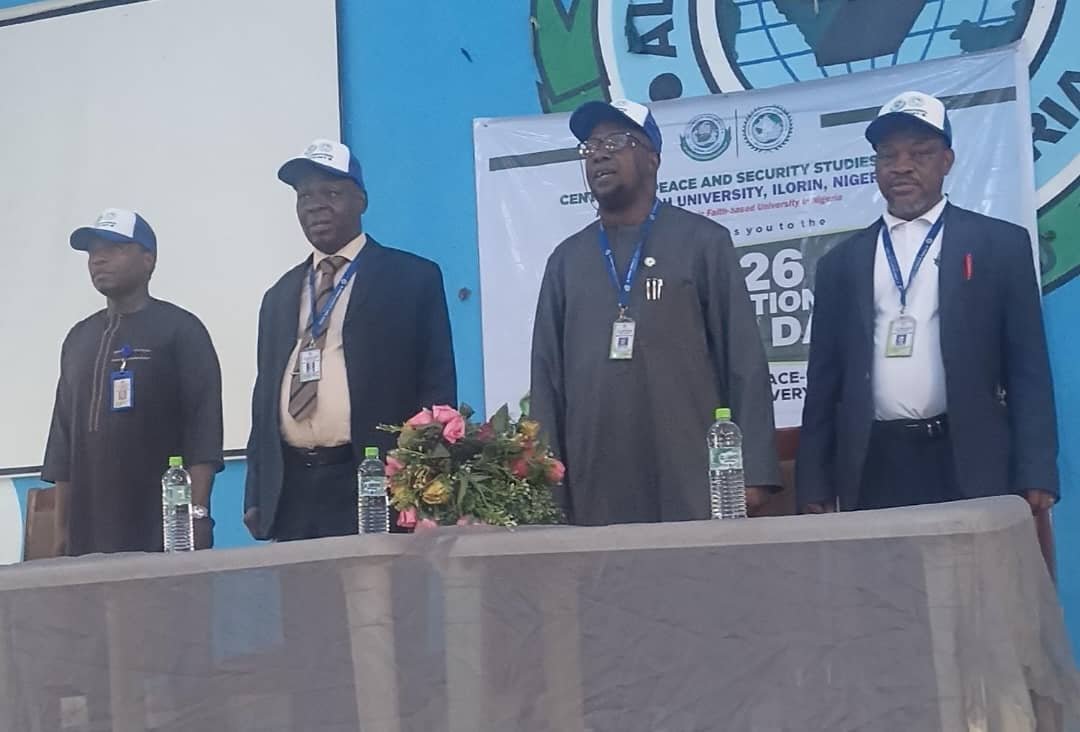
The Vice Chancellor of Al-Hikmah University, Ilorin, Professor Lateef Oladimeji, has called for collective efforts to build and sustain a culture of peace in Nigeria and across the world.
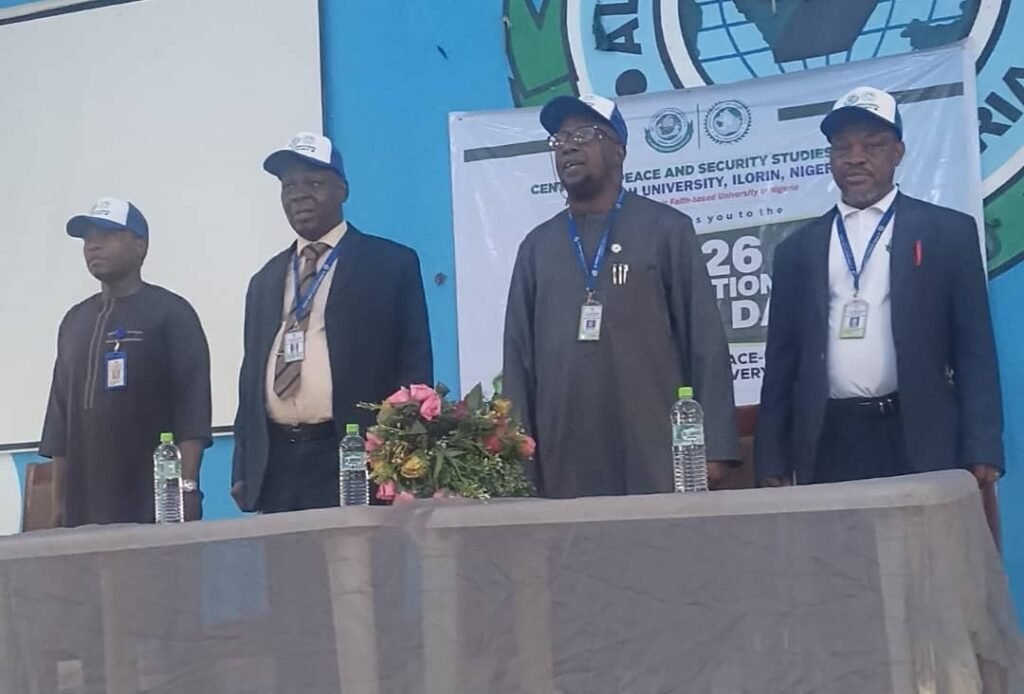
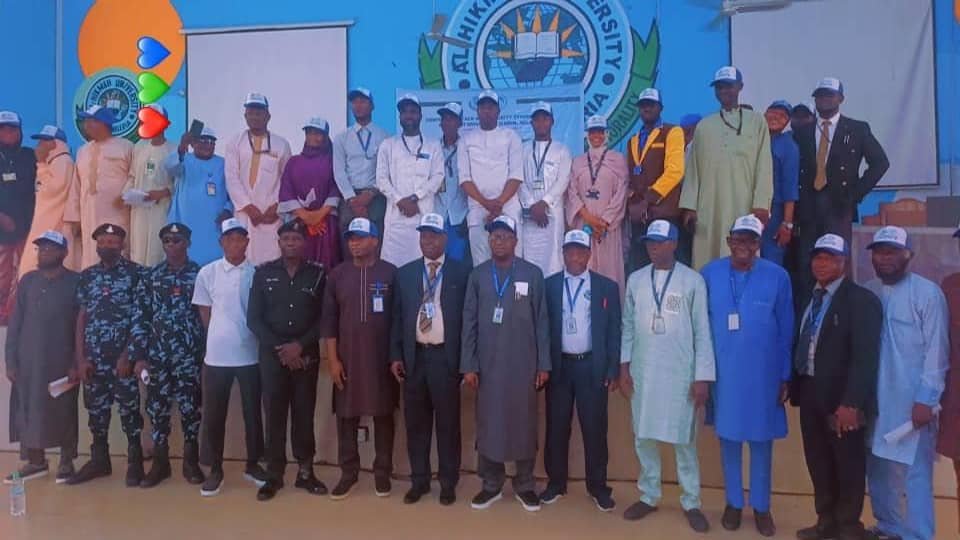
Professor Oladimeji made the call in a message to mark the 2026 International Day of Peace, organised by the university’s Centre for Peace and Security Studies with the theme, “Invest in Peace for Everyone, Everywhere, Every Day”.
He said peace must be constructed in the minds of people through dialogue, mutual understanding and respect for human rights, stressing that wars begin in the minds of men.
The Vice Chancellor identified functioning institutions, good relations with neighbours, equitable distribution of resources, free flow of information and low levels of corruption as essential pillars of peace.
Professor Oladimeji urged individuals and communities to embrace dialogue, negotiation and other non-violent means of resolving conflicts, while building trust, tolerance, solidarity and understanding.
He also cautioned against spreading fake information or narratives that could fuel violence, and called for inclusive participation in economic, social and political decision-making irrespective of gender, disability, religion or culture.
The Vice Chancellor urged Nigerians to reject all forms of violence, stay away from crime, contribute to community development and support efforts to end exclusion, injustice and oppression, stressing that building peace is a collective responsibility.
Professor Lateef Oladimeji gave the assurance of the founder of Al-Hikmah University, Jagunmolu and Asiwaju of Ignomina land, Chief AbdulRaheem Oladimeji of promoting peace and security at all time.
In an address, the Acting Director, Centre for Peace and Security Studies, Al-Hikmah University, Ilorin, Dr Adekola AbdulAzeez Alao called on governments at all levels to adopt proactive measures to address Nigeria’s growing security challenges.
Dr Alao, who emphasised on the theme of the 2026 International Peace Day celebration, “Invest in Peace — For Everyone, Everywhere, Every Day”, identified terrorism, banditry, kidnapping, farmer-herder conflicts, communal and ethno-religious violence, separatist agitations, armed robbery, cybercrime and proliferation of small arms as some of the security challenges confronting Nigeria.
He said both kinetic and non-kinetic approaches should be deployed alongside modern technology to strengthen national security and promote lasting peace.

Dr Alao also called on governments to intensify efforts to provide essential needs for the people, stressing that addressing socio-economic challenges is important to sustainable peace and security.
Ahead of the 2027 general elections, Dr Alao urged political actors to focus their campaigns on issues and policies rather than attacking the personalities of their opponents.
He appealed to politicians to shun the use of thugs and avoid actions such as defacing opponents’ posters and billboards, which he said could lead to violence.
The Acting Director further called on politicians to prioritise dialogue over confrontation and urged Nigerian youths not to allow themselves to be used as political thugs during the 2027 elections.
Dr Alao also urged traditional rulers to strengthen community policing and revive traditional systems of communal living, which he said provided communities with stronger mechanisms for hospitality, cooperation and security.
He called on the media, civil society organisations and religious bodies to strengthen collaboration with security agencies in the areas of peacebuilding and security management.
On the role of individuals in peacebuilding, Dr Alao said peace is not built only in conference rooms but also in schools, churches, mosques, markets, offices and communities.
He encouraged citizens to contribute to peace by helping others, lending their voices to positive change, organising peace-oriented conversations and using their platforms to promote peace and hope.
Dr Alao said the Centre for Peace and Security Studies was established during the 2020/2021 academic session with an initial enrolment of 32 students across its Master’s and Ph.D. programmes.
He said the Centre has recorded substantial growth, with about 125 students enrolled across its programmes in the 2025/2026 academic session.
Dr Alao disclosed that the Centre graduated 63 students in the 2024/2025 academic session and expects to graduate 83 students comprising Master’s, PGD and Ph.D. students in the 2025/2026 session.
He also announced that the Centre is preparing to introduce an undergraduate programme in Peace and Conflict Resolution, with the curriculum almost ready for presentation to the relevant authorities for consideration and approval.
The Acting Director specifically acknowledged Professor J. O. Fayeye as the “Father of the Centre,” alongside other lecturers who have contributed to its development.
Dr Alao said the Centre’s growth and achievements were made possible through the contributions of its successive leadership, including pioneer Director Professor S. A. Raji, former Director Dr. Ruth Abiola Adimula, Professor J. O. Fayeye, Dr. Oba Hassan AbdulKadir and Dr. Uthman Zarat, as well as adjunct and part-time lecturers.
He also acknowledged the support of the Founder and Chairman of the Board of Trustees, Alhaji Abdulraheem Oladimeji, and the University Management led by the Vice-Chancellor, Professor L. F. Oladimeji.
Dr Alao linked the Centre’s achievements to the collective efforts of its successive directors, lecturers, students, the University Founder and the University Management.
He said the Centre has produced professionals occupying important positions in government, security, diplomacy, traditional institutions and other sectors.
Dr Alao called on Nigerians to make peace an everyday responsibility, stressing that the defence of peace must be constructed in the minds of people.
He urged youths to reject cultism, hooliganism, gangsterism and drug abuse and instead embrace peaceful coexistence and responsible citizenship.
The Director said the Centre would continue to contribute to peace, conflict and security management through education, research and professional training.
In a goodwill message, the father of the Centre, Professor J. O. Fayeye reaffirmed the Centre’s commitment to promoting peace through education and public enlightenment.
He said the Centre remains focused on educating stakeholders and citizens on the importance of peace and peaceful coexistence.
Professor Fayeye stressed that sustained education and awareness are essential to building a culture of peace in the society.
Giving the vote of thanks, Dr Oba Hassan AbdulKadir commended the Founder of Al-Hikmah University, Jagunmolu and Asiwaju of Igbomina land, Chief AbdulRaheem Oladimeji, for his support to the Centre for Peace and Security Studies.
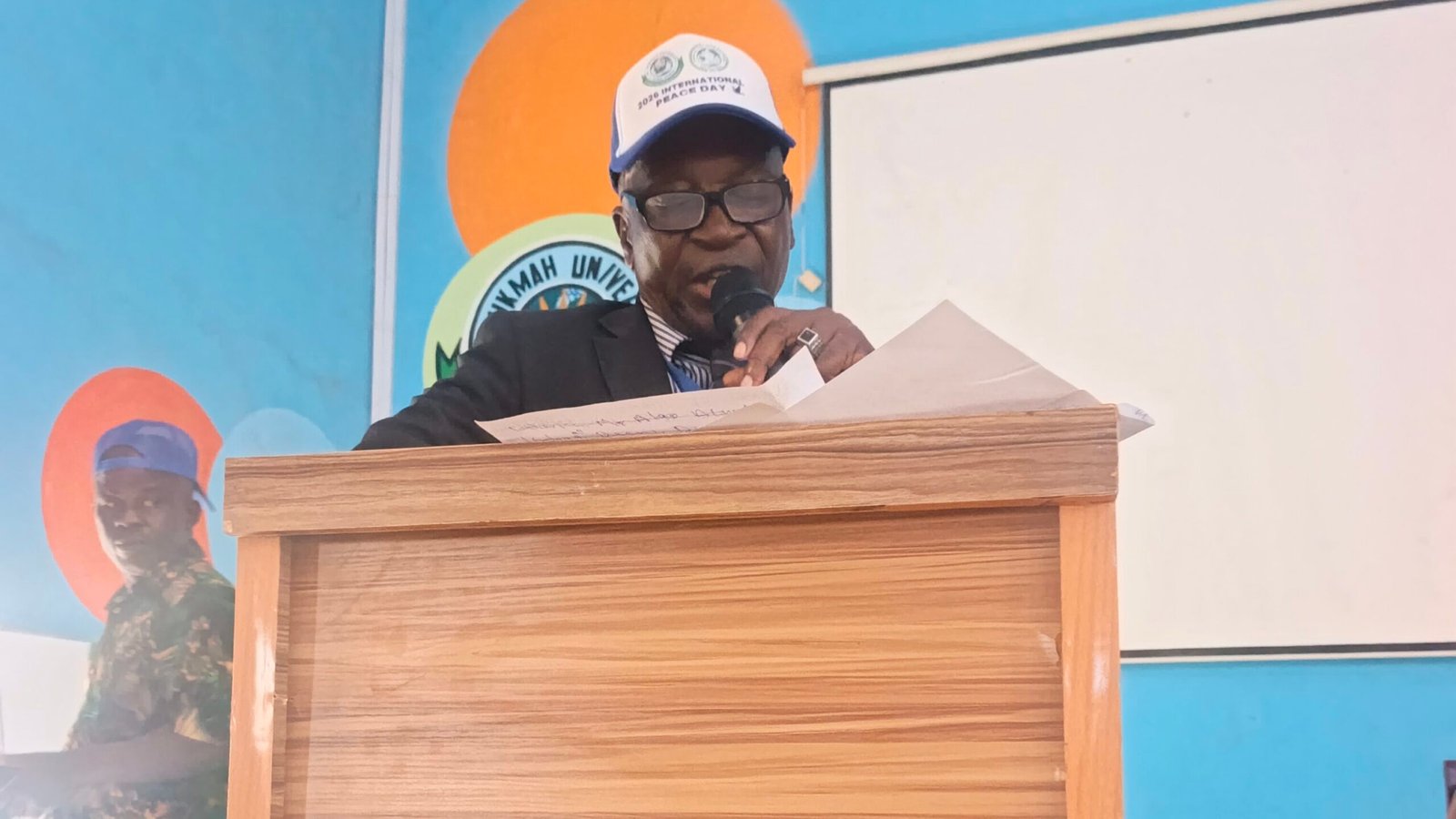
Dr AbdulKadir also appreciated the Vice Chancellor of the University, Professor Lateef Oladimeji, as well as the management and staff for their continued support to the Centre.
He urged students of the Centre to become good ambassadors of peace and promote peaceful coexistence in society.
Dr Oba AbdulKadir also appealed to leaders at all levels to champion the cause of peace and work towards sustaining peaceful communities across the country.


