 0
 0
By Sola Rotimi
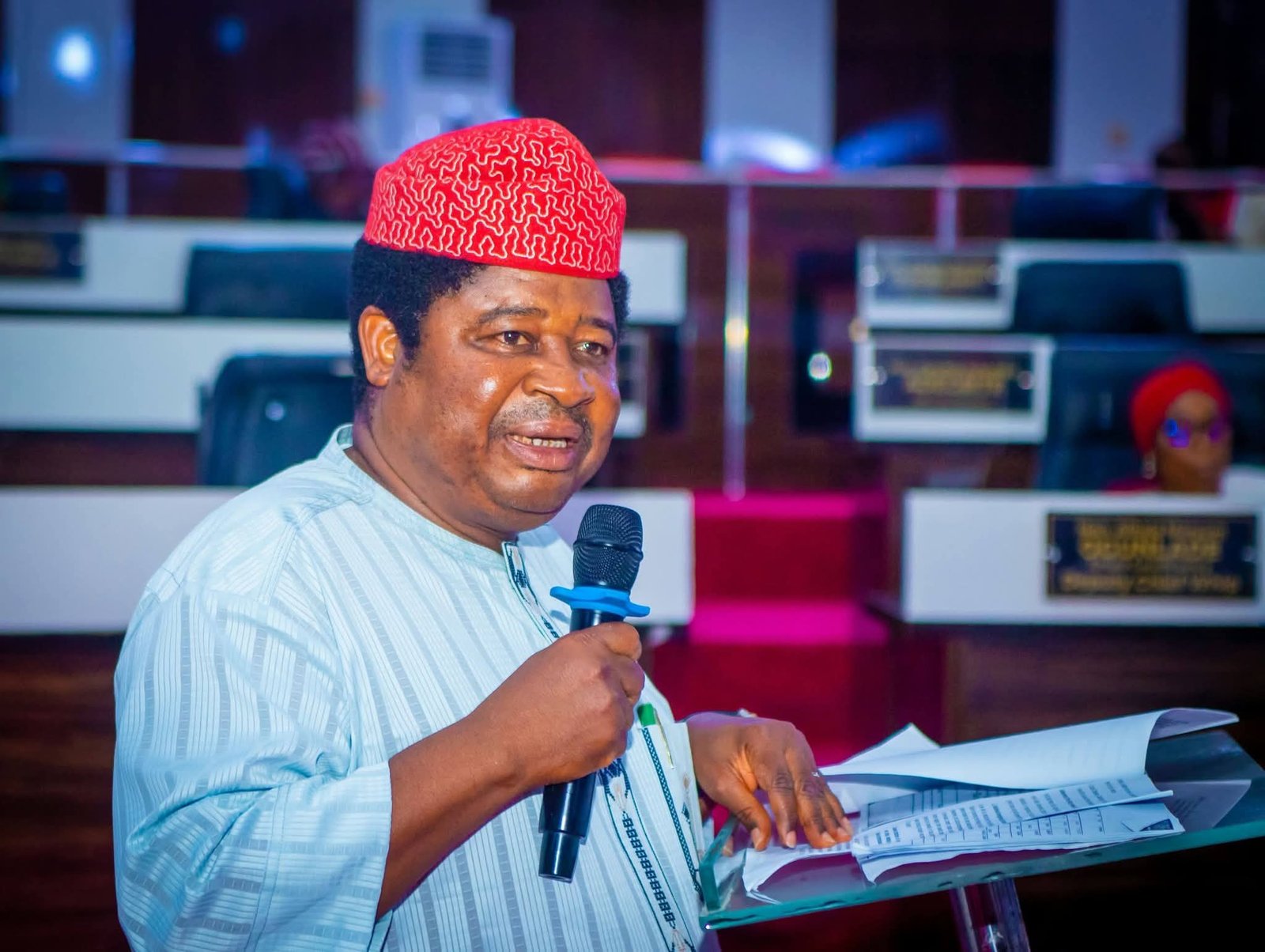
Nigerian universities must reform their academic curricula rather than scrap traditional humanities and social science courses, according to a prominent scholar and performing artiste.
Prof. Ojo Bakare, made the call in a public commentary addressing ongoing debates over the relevance of disciplines such as History, Philosophy, Classics, Languages, Religious Studies, and Sociology in the age of Artificial Intelligence and Data Science.
Rejecting claims that humanities courses are obsolete, Bakare described arguments advocating for their removal as intellectually lazy and harmful to national development. He noted that knowledge is elastic and dynamic, making curricula obsolete within short periods, but emphasised that no field of study is inherently useless. The real issue, he argued, lies not in the courses themselves, but in how they are taught.
“Knowledge is mightily elastic and monumentally wide,” Bakare said. “No knowledge is useless. No course is dead. What can die is the way we teach it. What should keep evolving is the curriculum.”
Bakare observed that global powers build their technological and strategic capabilities by pairing technical skills with humanistic disciplines. He pointed out that the United States deploys historians, sociologists, and linguists alongside military personnel in strategic situations, while foundational figures in Silicon Valley drew on philosophical backgrounds. Similarly, he noted that China relies on history to define its national purpose for artificial intelligence.
“A nation without History has no memory, without Philosophy has no compass, without Classics has no depth, without Languages has no identity,” Bakare said. “To produce a generation that can code but cannot think, that can build robots but cannot understand the complexities of its own citizenry, is to build tools without purpose.”
Warning against an overemphasis on purely technical skills, Bakare stated that a nation without history, philosophy, classics, and languages loses its memory, compass, depth, and identity. He added that training a generation that can write code or build robots without understanding societal complexities results in creating tools without purpose.
According to Bakare, the primary challenge facing Nigerian tertiary education stems from outdated curricula inherited from the colonial era, which were structured to produce administrative clerks rather than African problem-solvers. He also criticised institutional mindsets that prioritise theoretical academic publishing over practical problem-solving, citing how research impact factors failed to address real-world health challenges during the COVID-19 pandemic.
To make traditional courses responsive to modern economic and social needs, Bakare urged academic departments to modernise their scope. He called on history programmes to focus on institutional analysis and governance, philosophy departments to center on African ethics and corruption, theatre arts to directly support the creative economy and Nollywood, and language departments to integrate translation technology and cultural diplomacy.
While agreeing that skills in information technology, artificial intelligence, and entrepreneurship are essential for modern students, Bakare asserted that technical expertise must be grounded in human understanding. He cited the need for software engineers and developers who understand local culture and sociology to design technology, such as voice assistants and financial tools, that effectively serve local markets and low-income populations.
Bakare cautioned that abandoning humanistic disciplines risks leaving the nation intellectually shallow and vulnerable to digital colonisation. He concluded that higher education requires comprehensive curriculum reform rather than the removal of foundational academic courses.


