 1
1
 0
0
Stakeholders in Kogi State have called for urgent reforms to the global financial system, saying the mounting sovereign debt burden is undermining development and depriving millions of Africans of access to healthcare, education and other basic services.
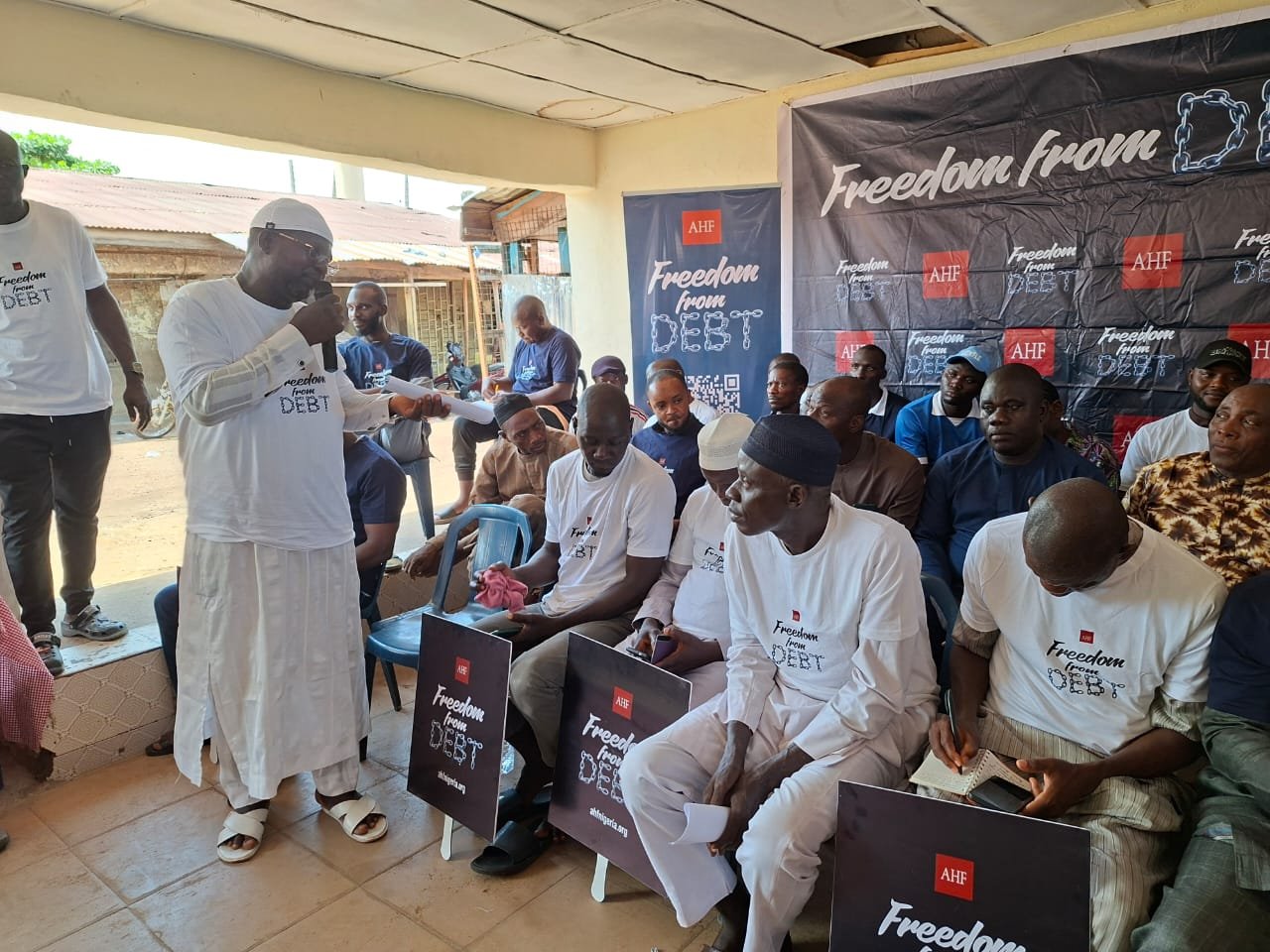
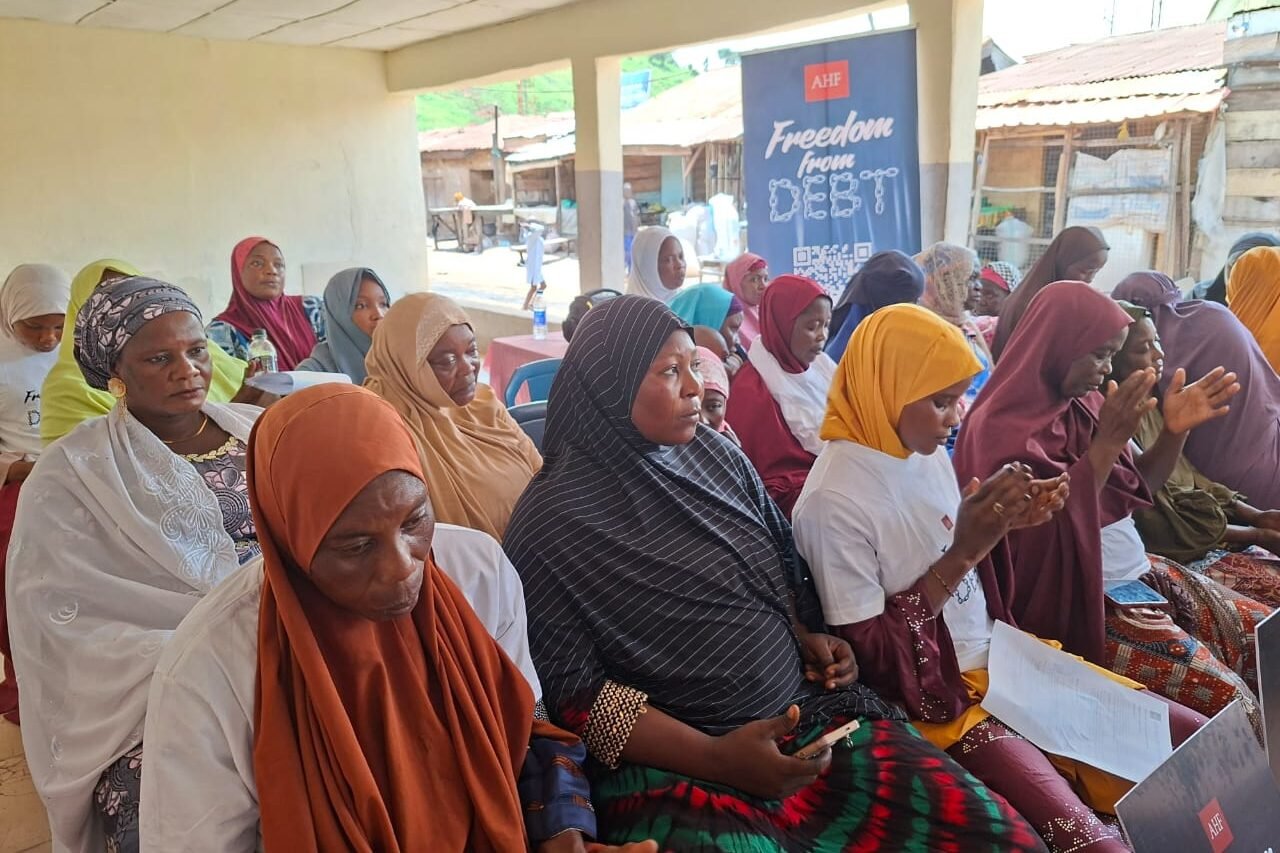
The stakeholders disclosed this at Sarkin Noma community in Lokoja during the Freedom from Debt campaign organised by the AIDS Healthcare Foundation (AHF) Nigeria.
Community leaders at the event urged international creditors to introduce automatic suspension of debt repayments for developing countries affected by pandemics, natural disasters and other major emergencies.
They also called for reduced interest rates on loans to enable developing countries to channel more resources into healthcare, education, water supply and other critical infrastructure.
One of them, Mr Nasiru Illiyasu, urged the government to implement the Borrowers’ Forum proposed at the Seville Financing for Development Summit and by the G20 South Africa to strengthen the collective bargaining power of developing countries.
The youth leader, Mr Idris Yahaya, called for mandatory suspension of debt servicing during public health and climate emergencies.
Similarly, Mrs Asimau Abdulmalik, a women’s representative, proposed a one per cent AI Solidarity Levy on AI-related capital and profits to generate funds for debt relief and social protection programmes.
The Hakimi of Sarkin Noma, Mallam Bala Musa, commended AHF for initiating the campaign and for selecting the community to host the event.
The traditional ruler expressed optimism that the campaign for debt freedom would contribute significantly to improving the lives and wellbeing of rural communities across Africa.
Another stakeholder, Ambassador Idris Muraina described the initiative as a timely global intervention and a welcome development.
Muraina stressed the need for the World Bank and International Monetary Fund (IMF) to ease the burden of loan repayments on developing countries, allowing governments to redirect funds to education, healthcare, social welfare and other development priorities.
Also speaking, Mr Ibrahim Obansa, Vice Chairman of the Nigeria Union of Journalists (NUJ), Kogi State Council, commended AHF for its efforts and pledged the support of the media in promoting the campaign through sustained mass media outreach.
However, some of the community leaders stressed the need for African leaders at all levels to demonstrate responsibility, transparency and accountability in the management of public resources, particularly after debt relief had been granted.
Earlier, AHF Nigeria’s Senior Advocacy and Marketing Manager, Mr Steve Aborisade, presented a policy brief titled “The Crushing Reality of Sovereign Debt.”
Aborisade said the global debt system was “failing by design,” noting that low- and middle-income countries pay between two and four times more interest than the United States and up to 12 times more than Germany.
He added that about 3.4 billion people live in countries that spend more on debt servicing than on healthcare or education.
According to him, AHF and other stakeholders are advocating equitable debt repayment terms and a fairer global financial system that would enable governments in developing countries to invest adequately in the wellbeing of their citizens.
Aborisade stressed that no country should have to choose between protecting its people and servicing what he described as an unfair financial system.
He therefore urged world leaders to treat the global debt crisis with urgency and take concrete steps toward achieving a fairer and more sustainable financial system.


