 1
1
 0
0
By Rasheedat Oladotun-Iliyas
For many adolescent girls, accessing accurate sexual and reproductive health information and services can be difficult. This is due to stigma, misinformation, and fear. In Kwara State, adolescent-friendly health services are providing girls with more confidential, accessible and supportive spaces to seek information, counselling and care. Rasheedat Oladotun-Iliyas reports that while these services are helping to close longstanding gaps, challenges around awareness, accessibility, and consistent quality of care remain, raising questions about how much further the state must go to meet the reproductive health needs of its adolescent girls.
For 19-year-old Biola, an unexpected pregnancy was a problem she feared could have deadly consequences.
Four months pregnant and newly admitted to a higher institution in Kwara State, she had considered terminating the pregnancy without her parents’ knowledge. Her father had warned her against another pregnancy, and she feared his reaction.
Biola’s friend had promised to take her somewhere in a neighbouring town to get help. But days before the planned visit, Biola attended a sexual and reproductive health (SRH) sensitisation programme organised by MSI Reproductive Choices in her school.
“That event changed everything,” she said. “I became enlightened on what the consequences could be if I went ahead with my plan. After the programme, I decided to inform my parents.”
Biola’s experience illustrates the gap adolescent-friendly health interventions are trying to address in Kwara – providing young people with accurate information, confidential counselling and links to appropriate health services before misinformation, stigma or fear pushes them towards harmful choices.
Creating safe spaces for adolescents
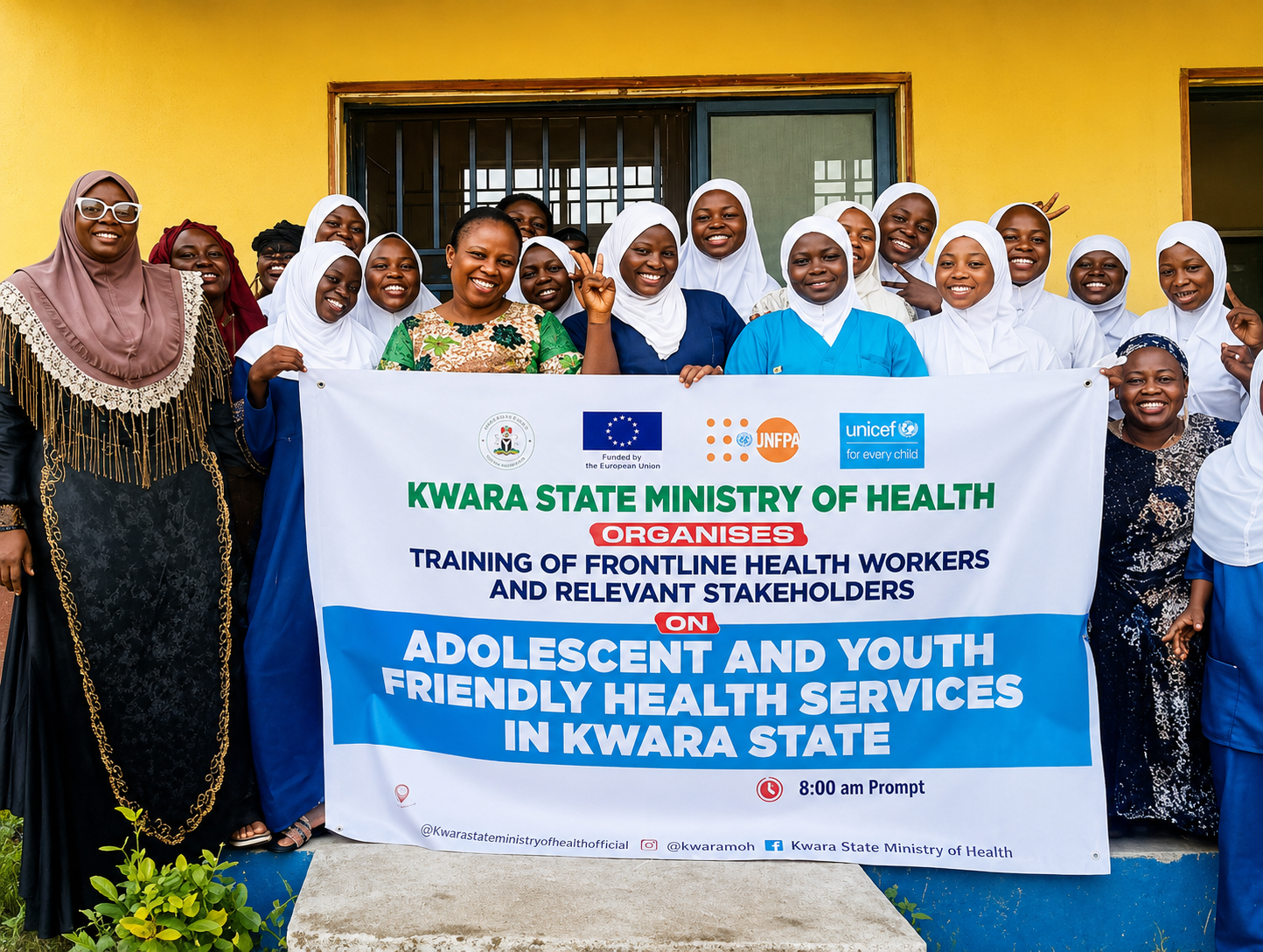
Kwara State began strengthening adolescent-friendly health services in 2023 in response to barriers preventing young people from accessing SRH information and care.
The initiative, implemented by the Kwara State Ministry of Health through the State Primary Health Care Development Agency (KWSPHCDA), has adolescent desk officers at primary healthcare facilities across the State’s 16 local government areas. Development partners, including UNICEF, EUSARAH and MSI, support the programme.
There are also core referral centres at Adewole, Oja-Gboro, Offa, Kwara State Polytechnic, Kwara State University Teaching Hospital (KWASUTH) and the Children’s Specialist Hospital, Ilorin, alongside expanded adolescent-friendly centres in primary and secondary healthcare facilities.
At these centres, adolescents can receive counselling on family planning, Sexually Transmitted Infections (STIs), menstrual health and hygiene, nutrition, gender-based violence and other concerns.
The centre opens daily and services are free.
The model is designed to give young people privacy.
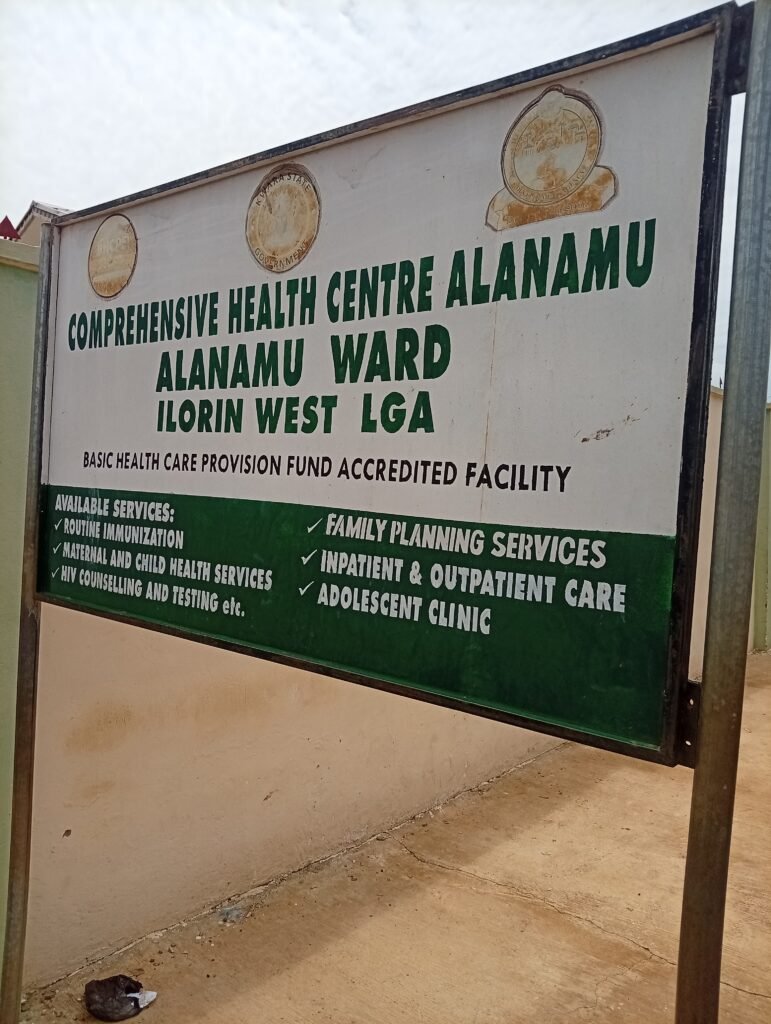
At Alanamu Primary Healthcare Centre in Ilorin West Local Government Area, for instance, adolescents have a dedicated room where they can speak privately with the desk officer.
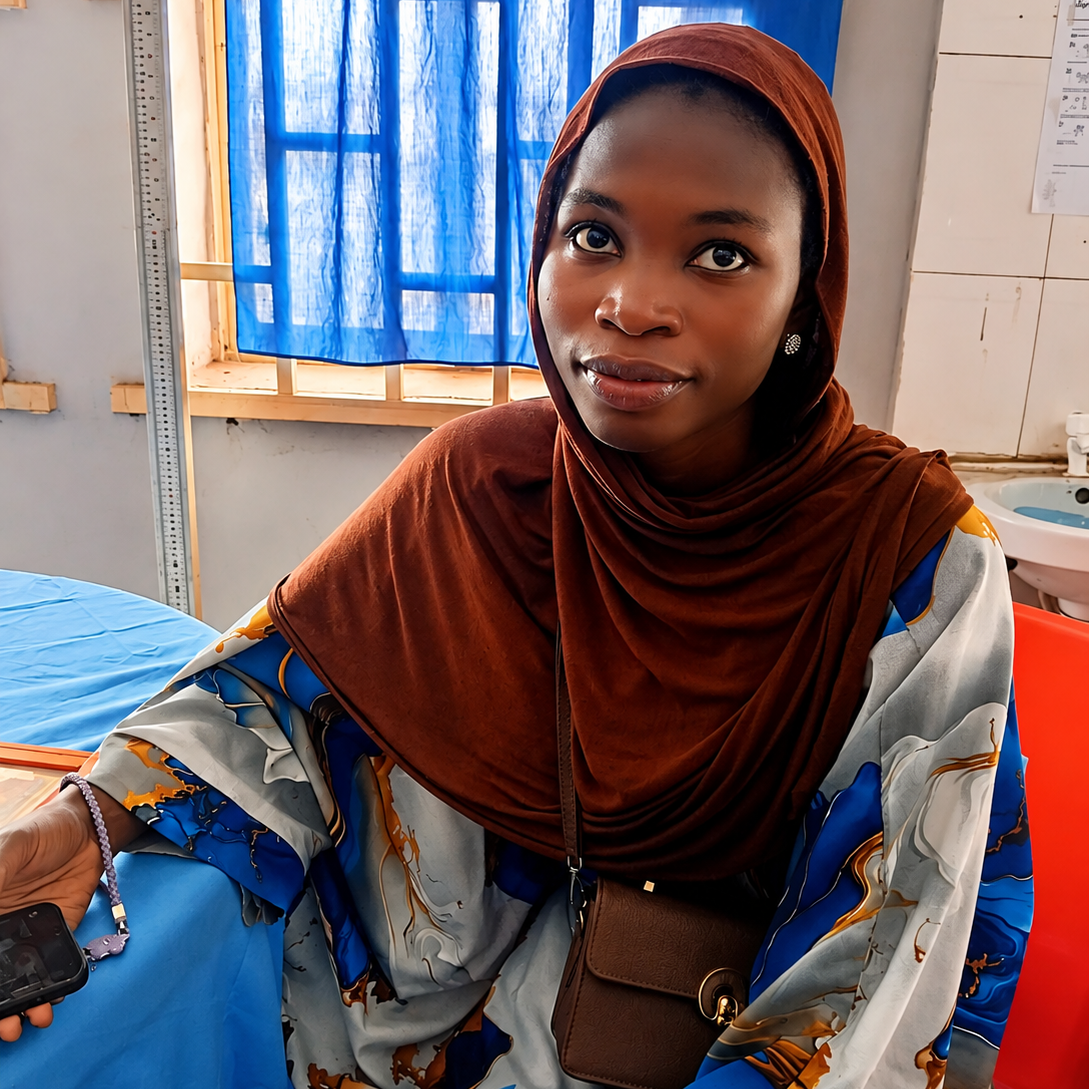
Rofiat Babatunde, the facility’s adolescent desk officer, said girls aged 10 to 24 receive counselling and family planning services there.
“We play, we gist and when they have anything to ask, they ask questions about what’s bothering them,” she said.
The centre also identifies pregnant adolescent girls attending antenatal clinics and links them to counselling and support.
“Sometimes, young pregnant people complain that their parents are being harsh towards them. Then we call the parents to counsel them. We let them know that being harsh could push the girls into making harmful choices.
“We have seen situations where mothers themselves bring their children for family planning to prevent unwanted pregnancies,” she said.
Fifteen-year-old Folashade, a regular visitor to the facility, said the centre has changed her understanding of reproductive health.
“When I started my monthly cycle, I did not panic. I knew what to do and what not to do and the consequences of doing them,” she said.
But the model also faces sustainability challenges. During a visit on August 20, 2026, the adolescent room at Alanamu was being used for the distribution of seasonal malaria chemoprevention commodities because the desk officer, Rofiat had left government service.
Although the room still contained board games and educational materials on adolescent health, the absence of a desk officer creates a gap in service delivery.
A one-stop model at KWASUTH
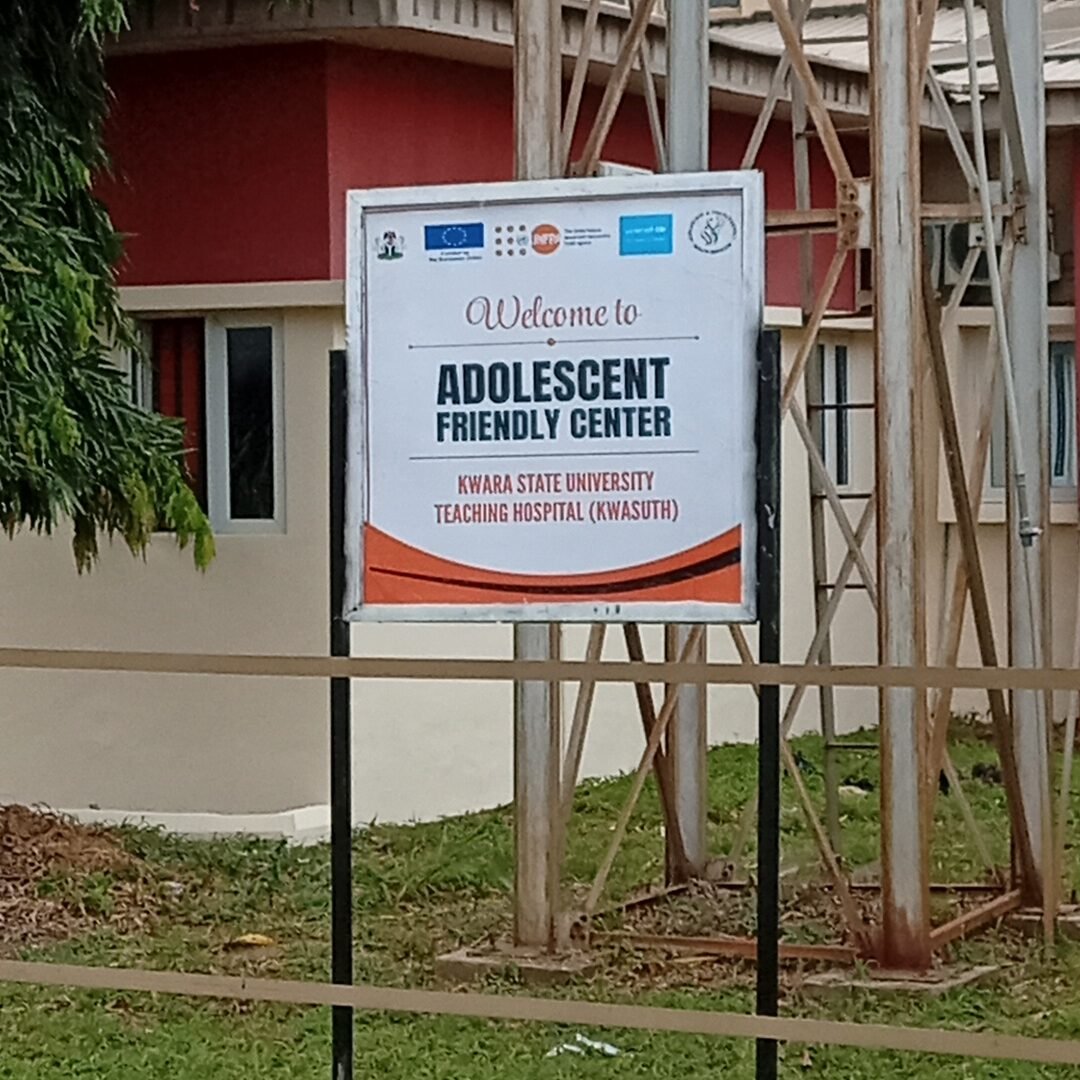
At KWASUTH, the adolescent-friendly centre provides a more comprehensive model, with dedicated rooms for adolescents and spaces for recreational activities.
The desk officer, Kafayat Azeez said confidentiality and non-discrimination are central to the service.
“When they come, we attend to them without discrimination. We don’t question them or begin to chastise them. We rather listen and counsel them accordingly and guide them,” she said.
The centre provides different family planning options, including pills, injectables, hormonal and non-hormonal methods, as well as condoms.
Kafayat, however, noted that the female condom is rarely used because adolescents find it difficult to use, suggesting that easier-to-use options could improve uptake.
The government has also deployed adolescent desk officers to selected schools, allowing students to receive counselling and referrals when they need more comprehensive services.
The State Commissioner for Health, Dr Amina El-Imam, said capacity-building workshops had been organised for desk officers to improve their competence.
Dr El-Imam described the initiative as a major step towards improving maternal and child health.
“We are hopeful that the initiative will further crash the maternal and child mortality rate in the State. Our health indices will improve,” she said.
In the NDHS 2024 data, Kwara State recorded a reduction in under-5 mortality rate, dropping from 74 deaths per 1,000 live births in 2018 to 14 per 1,000 in 2023.
The Speaker, Kwara State Children’s Parliament, Faosiyat Alaaya, commended efforts by the State Government and development partners in the provision of a safe space for adolescents healthcare.
“This center is a testament to the fact that some people are thinking about us and working to create a safe place for us to seek medical attention.and guidance,” she said.
Taking the message beyond health facilities
For MSI Reproductive Choices, awareness is a critical part of the solution.
The organisation has operated in Kwara since 2013, supporting the government to expand voluntary family planning and adolescent-friendly reproductive health services through facility-based services, community outreach and school sensitisation.
MSI Social Behaviour Change Communication Officer and Adolescent Healthcare Focal Person in Kwara, Muhammed Danbaba, said MSI currently works in 40 facilities across 12 LGAs, using its Public Sector Strengthening strategy and mobile outreaches.
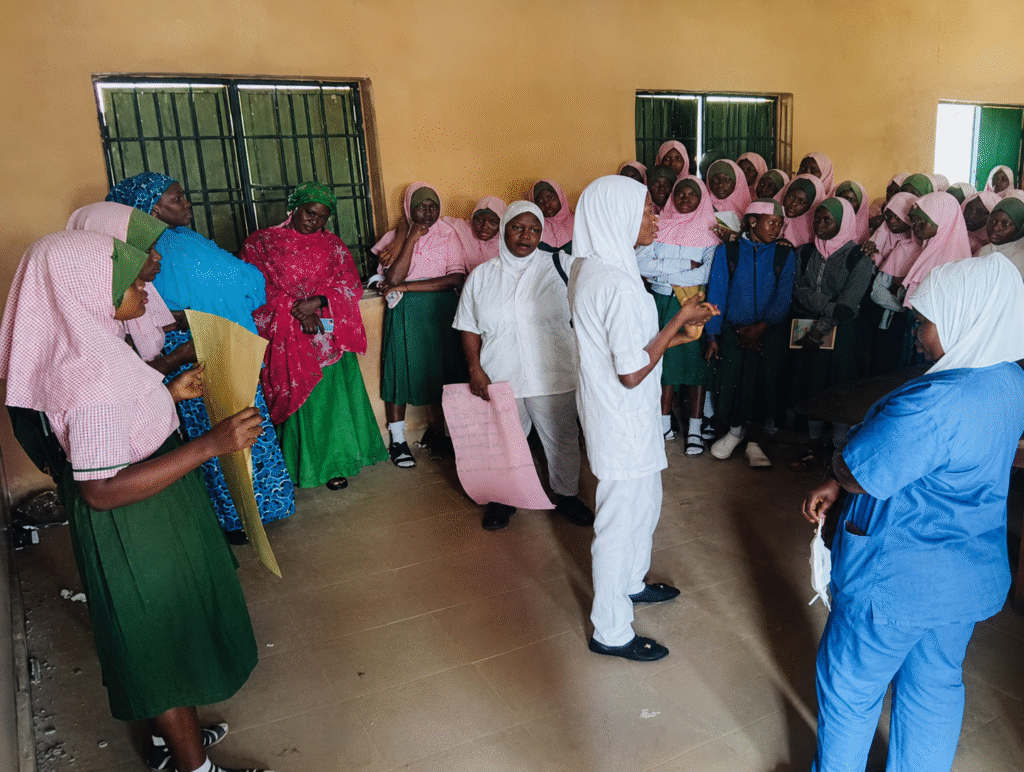
Between January and July 2026, about 600 students received SRH health talks through MSI-supported activities.
At secondary schools, discussions focus mainly on menstruation and menstrual hygiene, while students in tertiary institutions receive broader information on sexual and reproductive health.
“We talk about the ABC of sexual and reproductive health. ‘A’ stands for abstinence; ‘B’ stands for barriers, where we educate them about condoms; and ‘C’ stands for contraceptives,” Danbaba explained.
The organisation also reaches out-of-school adolescents, including young artisans, through community-based mobilisers. Participants are referred to adolescent-friendly centres for professional counselling and services.
MSI also provides its toll-free contact centre number, 22252, through which young people can seek SRH information in Hausa, Igbo and Yoruba.
Danbaba added that awareness of SRH among adolescents in areas where MSI operates had increased from almost zero to about 70 percent, while service uptake had risen from zero to four percent.
Although the uptake remains low, Danbaba described the progress as significant given Kwara’s cultural and religious context.
“We have to strategically plan the right messages not to offend the cultural and religious sensibilities of our host community,” he said.
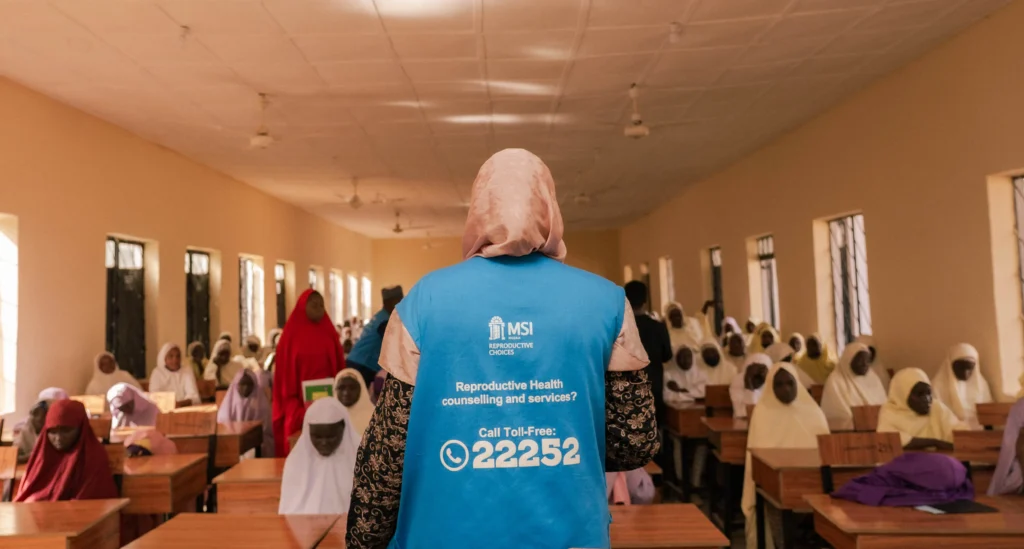
MSI also works with religious leaders, adolescent boys and other community stakeholders to strengthen male involvement and create an environment where adolescents can discuss reproductive health issues.
Why the intervention matters
The need for these interventions is underscored by Nigeria’s reproductive health challenges.
The World Health Organisation estimates that 21 million adolescent girls become pregnant annually in low- and middle-income countries.
A 2024 study by Love Ayamolowo et al found that between 57 and 82 percent of adolescents are sexually active, while limited access to SRH information and poor awareness of modern contraceptives contribute to unplanned pregnancies.
The 2024 Nigeria Demographic and Health Survey puts Kwara’s teenage pregnancy rate at over 12 percent, while UNICEF data indicates that 22 percent of the estimated 7.6 million out-of-school girls are in Kwara.
Adolescents make up about 23 percent of Nigeria’s population, making their health critical to efforts to reduce maternal and infant mortality.
The State state has also recorded progress in child survival. NDHS 2024 data shows that Kwara’s under-five mortality rate fell from 74 deaths per 1,000 live births in 2018 to 14 per 1,000 in 2023.
The gaps that remain
Despite the progress, stakeholders say the adolescent-friendly model must go further.
One major concern is continuity of services when trained desk officers leave their posts or are unavailable. The experience at Alanamu PHC demonstrates how quickly a dedicated adolescent space can lose its purpose without a trained officer.
There are also concerns about low uptake of family planning services, uneven coverage, school gatekeeping and limited access in hard-to-reach communities.
People with disabilities face additional barriers.
Akeem Lawal, Kwara State Chairman of the Nigeria Association of the Blind, said health facilities must become more accessible to adolescents with disabilities, including those who require sign language interpretation.
“How can someone with speech impairment seek services at these centres without sign language interpreters?” he asked.
The Voice of Disability Initiative has similarly called for more inclusive and confidential SRH services for women and girls with disabilities. It maintained that PWDs ought to be able to access confidential care at health facilities. VDI’s Monitoring and Evaluation Officer, Edward Ogiji, recounted how a hearing impaired woman was denied medical attention because she did not go with an interpreter, despite having written down her purpose of visit. The association called for the establishment of a Kwara State Disability Commission to coordinate support, employment and inclusive services for PWDs.
For Moyinoluwa Ayoola, a visually impaired adolescent girl, fear of discrimination remains a reason for avoiding the centres, despite knowing about them.
Stakeholders therefore recommend training more adolescent desk officers, expanding adolescent-friendly centers to more facilities and schools, improving services in hard-to-reach communities and ensuring that facilities are accessible to young people with disabilities.
Parents are another important part of the solution.
Many adolescents struggle to discuss SRH with their parents, while some parents are themselves uncomfortable having such conversations. Mrs Taiye Kazeem recalled avoiding a question from her 10-year-old son about how pregnancy occurs because she did not know how to respond.
Greater parental education, stakeholders say, would help families become safer sources of accurate information rather than leaving adolescents to depend solely on peers.
A model worth strengthening
Kwara’s adolescent-friendly health programme demonstrates that providing a private space, trained personnel, accurate information and referral pathways can make health facilities less intimidating for young people.
Biola’s story shows the potential impact of early information, – a sensitisation programme gave her the knowledge and confidence to reconsider a risky decision and involve her parents.
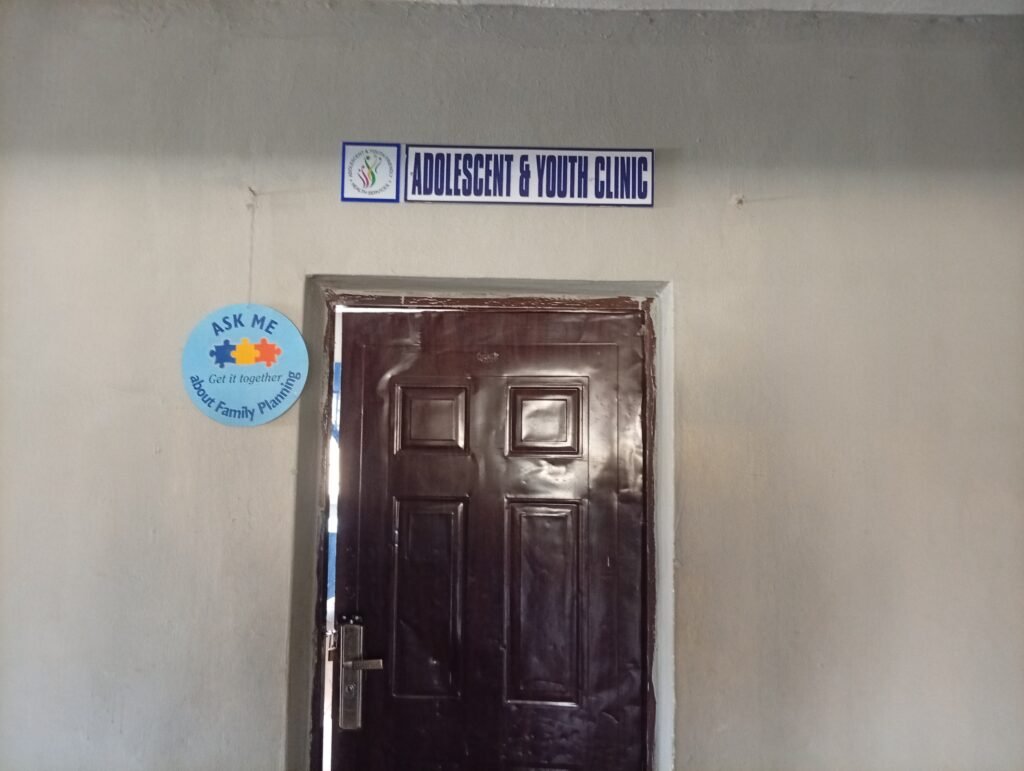
But the sustainability of such interventions will depend on what happens beyond the launch of the centres.
Prompt replacement of departed desk officers, extending services to underserved communities, improving disability inclusion, strengthening parental engagement and converting increased awareness into actual service uptake, are the next tests for the programme.
As MSI plans to support the State’s proposed integrated service intervention covering HIV, malaria and SRH, stakeholders believe the next phase could provide an opportunity to strengthen and expand the model.
The experience in Kwara suggests that adolescent-friendly healthcare is not simply about creating rooms for young people. It is about ensuring that those rooms remain safe, confidential, accessible, inclusive and consistently staffed—so that when adolescents need answers, they know where to find them.
End


