 2
2
 0
0
By Bilkis Abdulraheem Lawal
Months after an investigative report by Bilkis Abdulraheem Lawal raised concerns over the continued collection of cash fares by some Lagos Bus Rapid Transit (BRT) buses despite the state’s digital payment policy, the Lagos Metropolitan Area Transport Authority (LAMATA) has announced stricter enforcement measures aimed at closing the loophole.
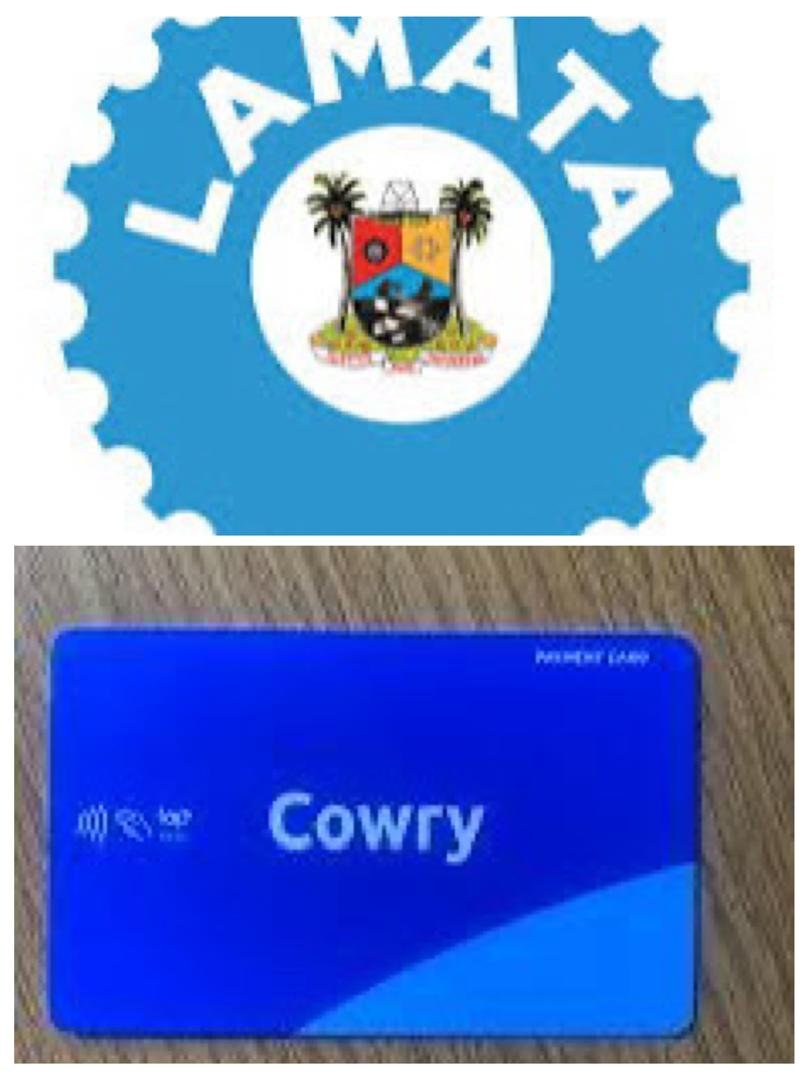
The earlier report examined how Lagos’ transport sector fits into Nigeria’s evolving Digital Public Infrastructure (DPI) ecosystem through the Cowry Card, an electronic ticketing system designed to integrate digital payments into public transportation. However, the investigation questioned why some smaller regulated BRT buses continued to accept cash fares, a practice that undermined the state’s drive towards a seamless, accountable and interoperable digital transport system.
In what appears to be a significant policy response to strengthen compliance, LAMATA has announced that from August 1, 2026, commuters who knowingly pay cash for journeys on regulated bus services will also be liable to arrest and prosecution.
Until now, enforcement had focused primarily on bus drivers and ground staff caught collecting cash, with several already arrested, prosecuted and, in some cases, imprisoned. The latest directive extends accountability to passengers who deliberately circumvent the approved electronic payment system.
In a statement issued by LAMATA Head Corporate Communication, Kolawole Ojelabi, said cash fare collection within the regulated transport system constitutes an economic crime against the state because it compromises the integrity of the electronic fare collection system, deprives transport operators of legitimate revenue and threatens the sustainability of public transport services.
Ojelabi explained that operators under its supervision have repeatedly complained that cash collections have resulted in significant revenue losses, making it difficult to procure spare parts, maintain buses, return grounded vehicles to service and meet financial obligations, including staff salaries.
The statement noted that commuters can obtain the Cowry Card at designated bus terminals as well as the Blue and Red Line rail stations, urging passengers to embrace the cashless payment system.
The agency also encouraged members of the public to report drivers or transport officials demanding cash payments through its dedicated telephone lines and official email channel.
The new enforcement policy represents a major step towards strengthening the digital payment architecture within Lagos’ public transport system and addresses concerns highlighted in the earlier investigation about inconsistent implementation of the Cowry Card policy. By closing gaps that allowed cash transactions to persist, the move is expected to improve revenue transparency, enhance operational efficiency and reinforce the state’s broader Digital Public Infrastructure agenda.


