
 0
 0
By Muinat Usman
The increasing migration of Nigerian doctors and other health professionals abroad, popularly known as the “Japa syndrome,” is creating a serious manpower crisis that threatens effective healthcare delivery in the country.
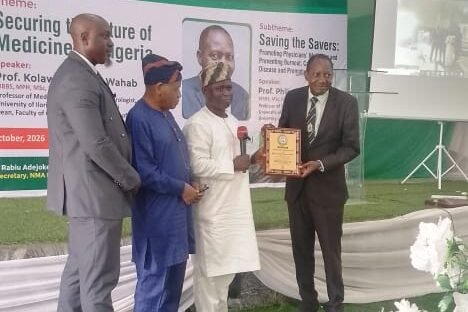
A Consultant Neurologist at the University of Ilorin Teaching Hospital (UITH), Professor Abdul Wahab Kolawole, raised the concern while speaking at the scientific conference of the Kwara State Chapter of the Nigerian Medical Association (NMA), held at the NMA Hall in Ilorin.
Speaking on the theme, “Securing the Future of Medicine in Nigeria,” Kolawole said the current wave of migration was different from the situation in the past, when medical professionals travelled abroad mainly for further training and returned to contribute to the development of Nigeria’s health sector.
He identified poor remuneration, unfavourable working conditions, inadequate infrastructure and insecurity as major factors driving the growing exodus of medical professionals.
According to him, the consequences are already being felt in hospitals, where shortages of doctors are contributing to long waiting times for patients and delays in attending to emergencies.
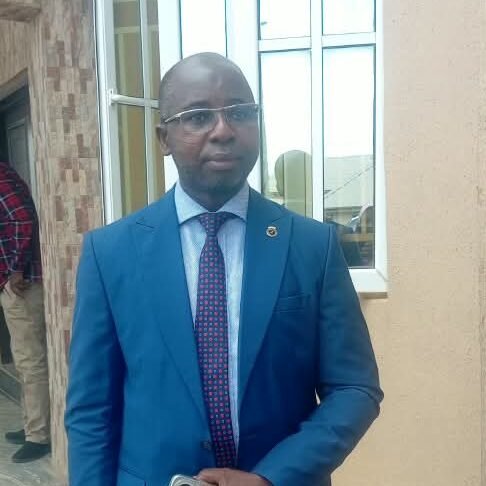
Kolawole said Nigeria currently had about four doctors per 10,000 population, compared with the World Health Organisation’s recommended ratio of 30 doctors per 10,000 population.
He therefore called for urgent government intervention through improved remuneration and welfare packages for doctors, better working environments, upgraded hospital infrastructure and enhanced security.
The neurologist stressed that addressing the factors responsible for the migration of health professionals was necessary to reduce the pressure on the few doctors remaining in the country.
He also drew attention to the mental health implications of the crisis, saying excessive workloads and prolonged duty hours were exposing doctors to anxiety, depression and other psychological challenges.
Kolawole explained that a doctor who had worked a 24-hour call and returned to duty without adequate rest could easily become overwhelmed, adding that patients sometimes mistook the effects of exhaustion for negligence.

He called for regular mental health assessments and support for medical professionals, stressing that doctors, as caregivers, also needed to be protected.
The consultant neurologist said both the government and healthcare professionals had responsibilities in addressing the crisis, urging medical practitioners to remain committed to national development while the government creates an environment that enables them to work and live safely.
NMA Seeks Policy Reforms
Supporting the call for urgent intervention, the Chairman of the Nigerian Medical Association (NMA), Dr Salman Rotimi, called for policy reforms and improved working conditions to address the increasing migration of doctors and secure the future of medical practice in Nigeria.
Rotimi identified manpower shortages, assaults on physicians, insecurity, poor remuneration, burnout and the challenges of modernisation and digitalisation as major concerns confronting the profession.
He stressed that the safety, dignity and welfare of doctors must be prioritised, noting that physicians working in unsafe and unconducive environments could not provide optimal healthcare services.
The NMA chairman also called for increased training capacity and reforms in medical education to meet the growing demand for doctors arising from population growth.
He urged medical schools to update their curricula in line with modern realities, while assuring that the association would continue to advocate better welfare, maintain professional standards and support measures that would encourage doctors to remain and practise in Nigeria.
Physicians’ Well-being
Also speaking on the sub-theme, “Saving the Savers: Promoting Physicians’ Well-being and Preventing Burnout and Cardiovascular Diseases,” a Consultant Cardiologist at UITH, Professor Philip Kolo, called for adequate manpower to enable effective implementation of the Federal Ministry of Health’s recommendations on working hours.
Kolo said the recommendations covered doctors, nurses, pharmacists and other health workers but warned that hospitals would struggle to implement them without adequate personnel.
He said doctors could attend to between 40 and 50 patients and still be pressured to see more because of manpower shortages, a situation he said could lead to excessive stress and burnout.
On cardiovascular health, Kolo identified smoking, hypertension, diabetes and obesity as some of the major risk factors for cardiovascular diseases.
He urged medical practitioners and members of the public to prioritise regular health checks and early detection, noting that conditions such as hypertension and diabetes could remain undiagnosed for years before resulting in serious complications, including stroke.
The experts therefore called for a comprehensive approach to strengthening Nigeria’s health system, particularly through improved welfare for health workers, better infrastructure, enhanced security and greater emphasis on preventive healthcare.
Goodwill messages were delivered by the Kwara State Commissioner for Health, Hajia Amina El-Imam,represented by Dr Kofo Ibrahim, the Chief Medical Director of the Neuro-Psychiatric Hospital, lbudo Egba, Professor Issa Baba; and a representative of the Provost of the School of Nursing, Amilengbe, among others.


