 0
 0
By Sodiq Adebara
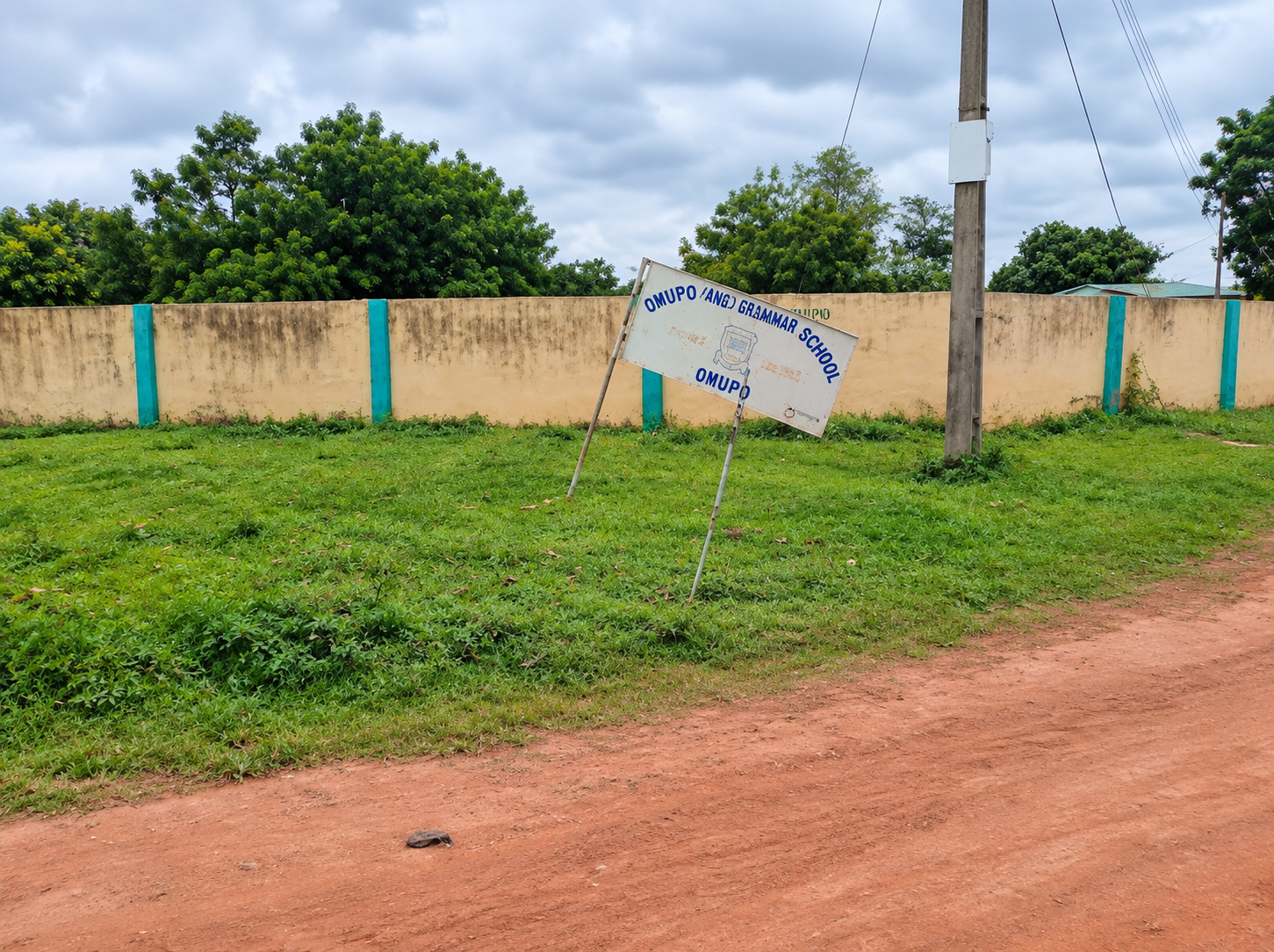
Omupo Anglican Grammar School in Kwara State has adopted a virtual chemistry laboratory application to enhance practical science education, reduce the cost of conducting experiments and improve students’ access to digital learning.
The initiative was made possible through a donation by the school’s 1972 set of old students, alongside training for teachers and students on the use of the digital platform.
Speaking at the presentation, Prof. James Omoleye, a former lecturer at Covenant University and an alumnus of the school, said the innovation would help address the challenges facing practical science education, particularly the shortage of functional laboratories in Nigerian schools.
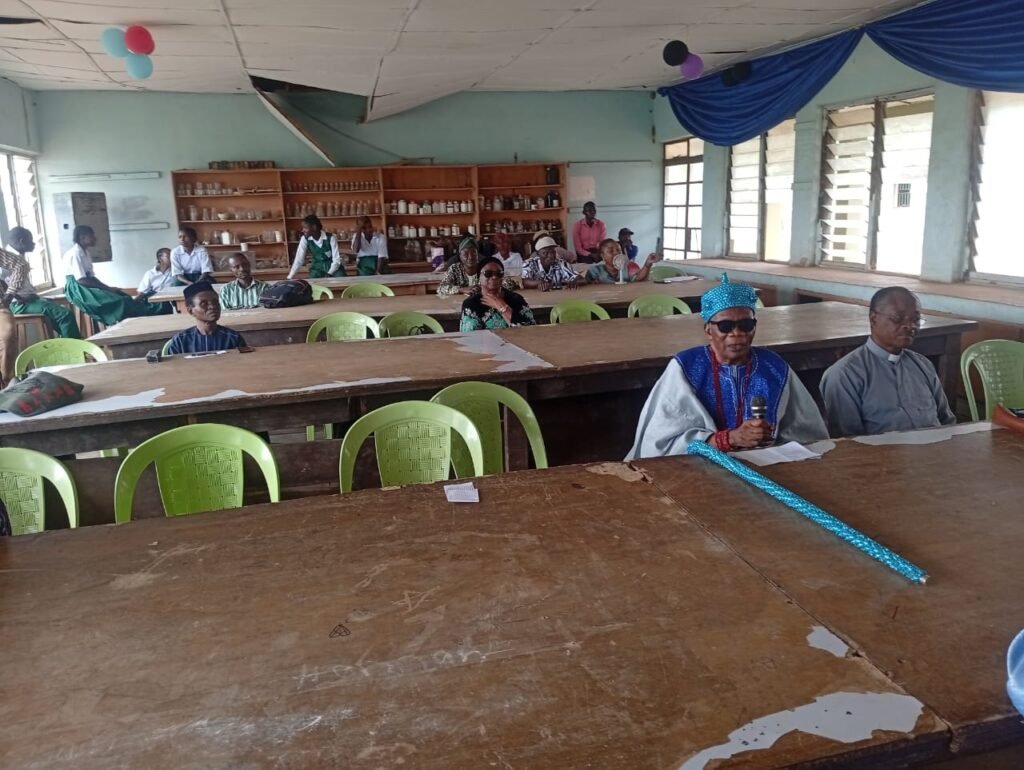
Prof. Omoleye explained that the application allows students to perform various chemistry experiments virtually, including qualitative analysis and titration, thereby bridging the gap between theoretical knowledge and practical learning.
He noted that the platform could accommodate up to 55 experiments, offering schools a more affordable alternative to conventional laboratories, which require substantial funding for chemicals, equipment and maintenance.
The principal, Omupo Anglican Grammar School, Mrs Esther Adeyemo, described the application as a welcome development that would improve teaching and learning. She said the platform would enable students to conduct practical exercises, complete assignments and submit their work electronically for assessment.
Mrs Adeyemo added that students from Senior Secondary School One to Three could use the application to practise chemistry experiments without the need to purchase large quantities of chemicals. According to her, the initiative would also help prepare students for the transition to digital examinations by the West African Examinations Council, WAEC, expected in 2027.
She further noted that the application could help redirect students’ use of mobile phones towards productive academic activities.
Meanwhile, the Onikoko of Koko Araromi, Oba AbdulRahman Ayinla, who is also an alumnus of the school, expressed concern over the deteriorating state of its infrastructure and declining student enrolment compared with previous decades.
The traditional ruler called on the Kwara State Government, the State Universal Basic Education Board (SUBEB) and the Ministry of Education to support the rehabilitation of community and mission schools to improve access to quality education.
Similarly, a representative of the school’s 1975 set, Mr David Opekun, lamented the poor state of infrastructure, particularly the science laboratory and classrooms. He said the alumni had undertaken some renovation projects, including work on the administrative block and computer room, but stressed that more government intervention was required to address the extensive infrastructural decay.
Mr Opekun appealed to the state government and relevant education authorities to inspect the school and provide the necessary support to create a conducive learning environment. He expressed optimism that rehabilitating the school’s facilities would improve academic performance, encourage student enrolment and strengthen practical science education.
In his remarks, Professor Dele Olarinoye, a professor of Mathematics and Physics Education, described the provision of the application as a valuable opportunity for the students to improve their educational prospects. He urged the newly appointed principal of the senior secondary school, who is also a chemistry teacher, to maximise the opportunities provided by the digital platform for the benefit of the students.
Other former students present at the event included Dr Bisi Adegoke, Mr Simeon Agboola, Mr David Opekun of the 1975 set, and Alhaja Lateefat of the 1983 set.


