 0
 0
By Muinat Usman
A medical practitioner, Dr Issa Folajimi, has advised school owners and parents to put in place measures to protect children from extreme heat, caused by El Niño,
warning that prolonged exposure to high temperatures could lead to dehydration and other heat-related illnesses.
Dr Folajimi, who’s the Public Relations Officer, Association of Resident Doctors (ARD), University of Ilorin Teaching Hospital, gave the advice amid concerns over rising temperatures associated with changing weather patterns.
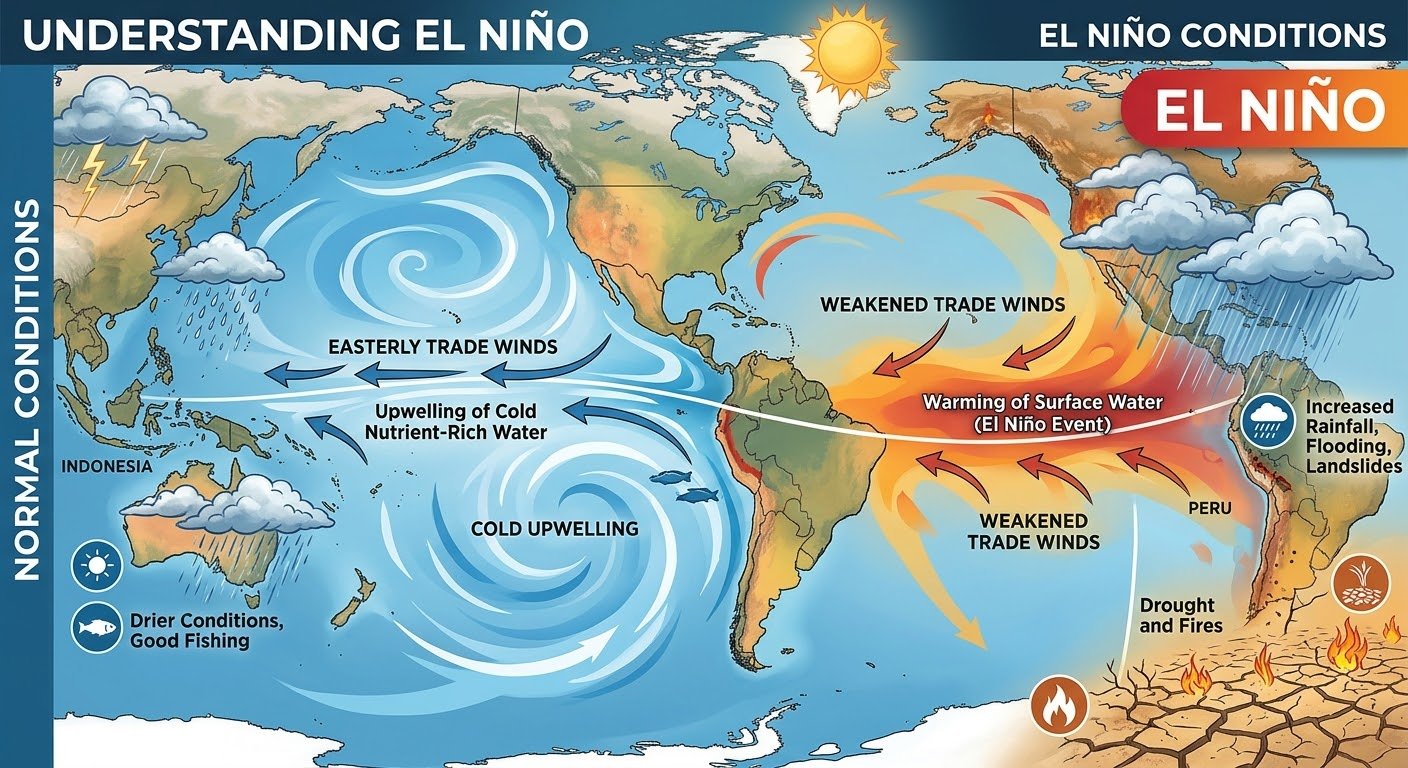
“El Niño is a weather phenomenon that occurs every now and then, and it is caused by the warming of the waters in the Pacific Ocean,” he said.
“This causes a change in the weather pattern all over the world. There can be a change in the weather pattern, a change in rainfall patterns, and even the Nigerian Meteorological Agency (NIMET) has already told us that Nigeria would be affected by the El Niño weather phenomenon this year,” he explained.
Folajimi identified dehydration as a major health risks of extreme temperature, explaining that excessive loss of body water could affect the kidneys and other vital organs.
The medical doctor advised parents and caregivers, including teachers, to ensure that children drink water regularly.
He recommended consumption of about two to three litres of water daily for adults, while noting that fluid needs could increase during periods of intense heat, depending on individual health conditions and activity levels.
Doctor Folajimi also urged residents to wear loose-fitting, lightweight and breathable clothing, preferably in light colours, and avoid prolonged exposure to direct sunlight.
He identified excessive sweating, dizziness, nausea and headaches as signs of heat exhaustion, while advising people experiencing such symptoms to quickly move to a cool or shaded place, drink water and cool their bodies.
Dr Folajimi warned that confusion, fainting, seizures and loss of consciousness could indicate heat stroke, a medical emergency, requiring immediate hospital attention.
He appealed to the school administrators to ensure that classrooms are well ventilated and equipped with cooling systems where possible, to protect pupils from heat-related illnesses.
The medical practitioner also called for special attention to children, older adults and pregnant women, who are particularly vulnerable to complications associated with extreme heat.
Picture generated by AI


