 0
0
 0
0
By Abubakar Umar
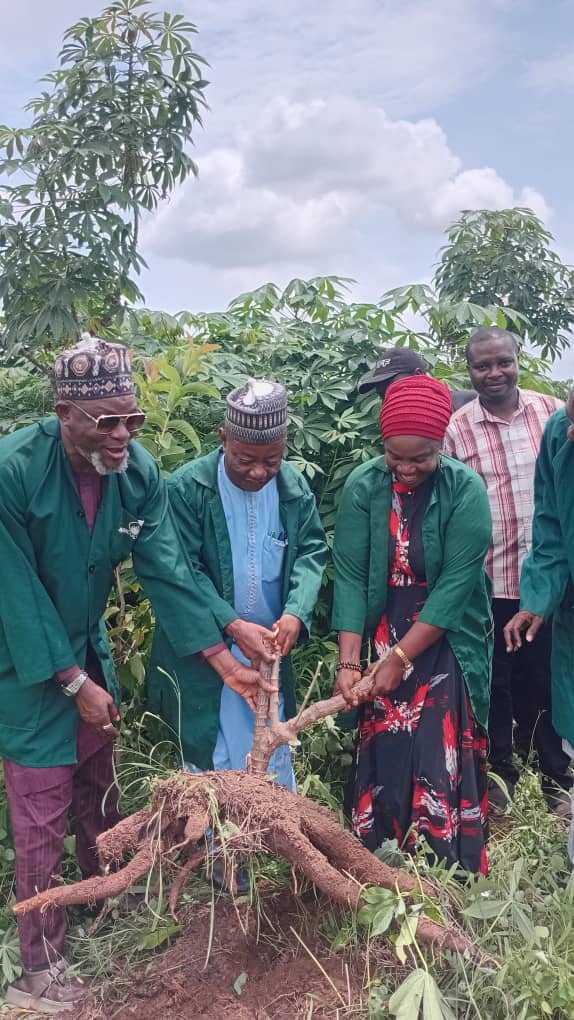
Kwara State Polytechnic, Ilorin, has recorded a major breakthrough in its agricultural development programme with the harvest of 250 tonnes of cassava from its commercial farm, reinforcing its commitment to boosting internally generated revenue, enhancing practical education and promoting sustainable agriculture.
The maiden harvest, carried out on the institution’s commercial farm, is being described by the management as the foundation of a long-term investment in agribusiness, innovation and sustainable economic development.
The Rector of the Polytechnic, Engr. Dr. Abdul Jimoh Mohammed, said the initiative was deliberately conceived to outlive his administration and create enduring economic value for the institution.
He noted that the farming programme has expanded beyond cassava cultivation to include maize production, as well as cocoa and oil palm plantations.
According to the rector, the harvested cassava will be processed into finished products by the Department of Food Science and Technology to maximise value addition and establish a unique institutional brand.
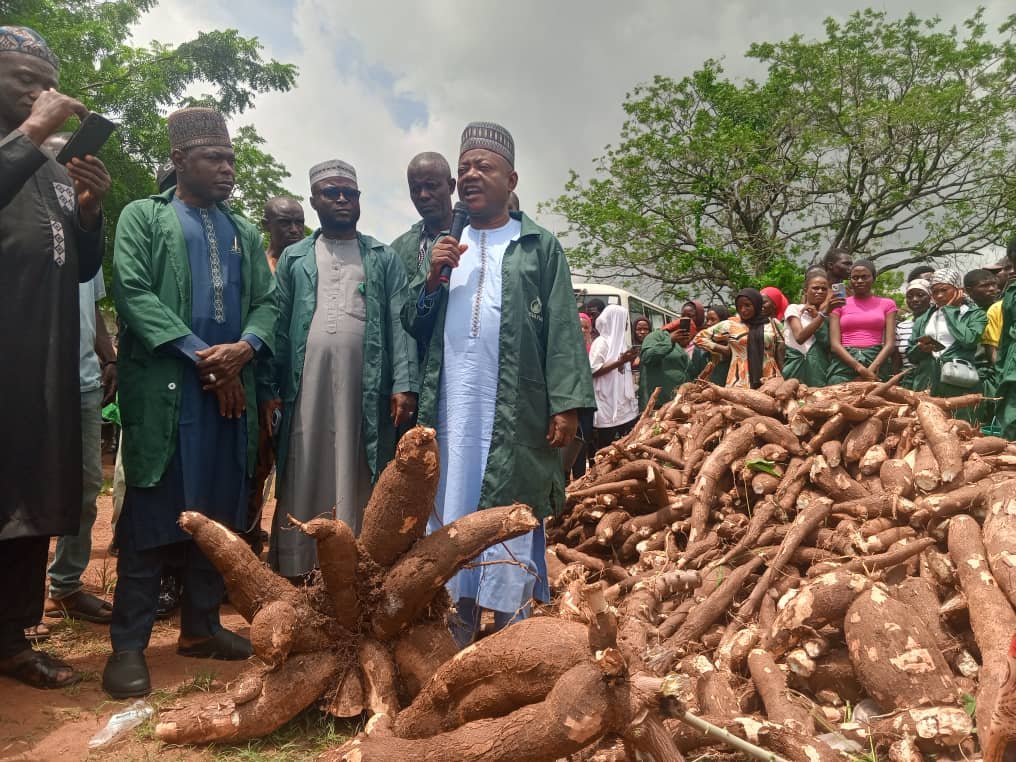
He disclosed that the Polytechnic plans to introduce branded products, including cassava chips, palm oil and cocoa-based products, to diversify its revenue base while exposing students to agro-processing and entrepreneurship.
Dr. Mohammed further explained that proceeds from the cassava harvest would be reinvested in expanding the commercial farm, with emphasis on long-term profitability and sustainability.
He added that students are actively participating in the farming project as part of their practical training, combining classroom learning with research, innovation and entrepreneurial skills.
Chairperson of the Kwara State Polytechnic Commercial Farm and Chief Lecturer in the Department of Agricultural and Bio-Environmental Engineering, Engr. Ruth Modupe Bayeri, described the maiden cassava harvest as a landmark achievement.
She commended the management for its vision and commitment, expressing confidence that the commercial farming initiative would not only generate sustainable revenue and strengthen food production but also provide hands-on training for students and position the Polytechnic among Nigeria’s leading tertiary institutions leveraging agriculture for sustainable development and economic growth.
Editing: Abdullah Ahmed


