 0
0
 0
0
By Khalid Ibiyinka, Toyin Aluko, Ibrahim Abdulrasheed & Mistura Abdulganiyu.
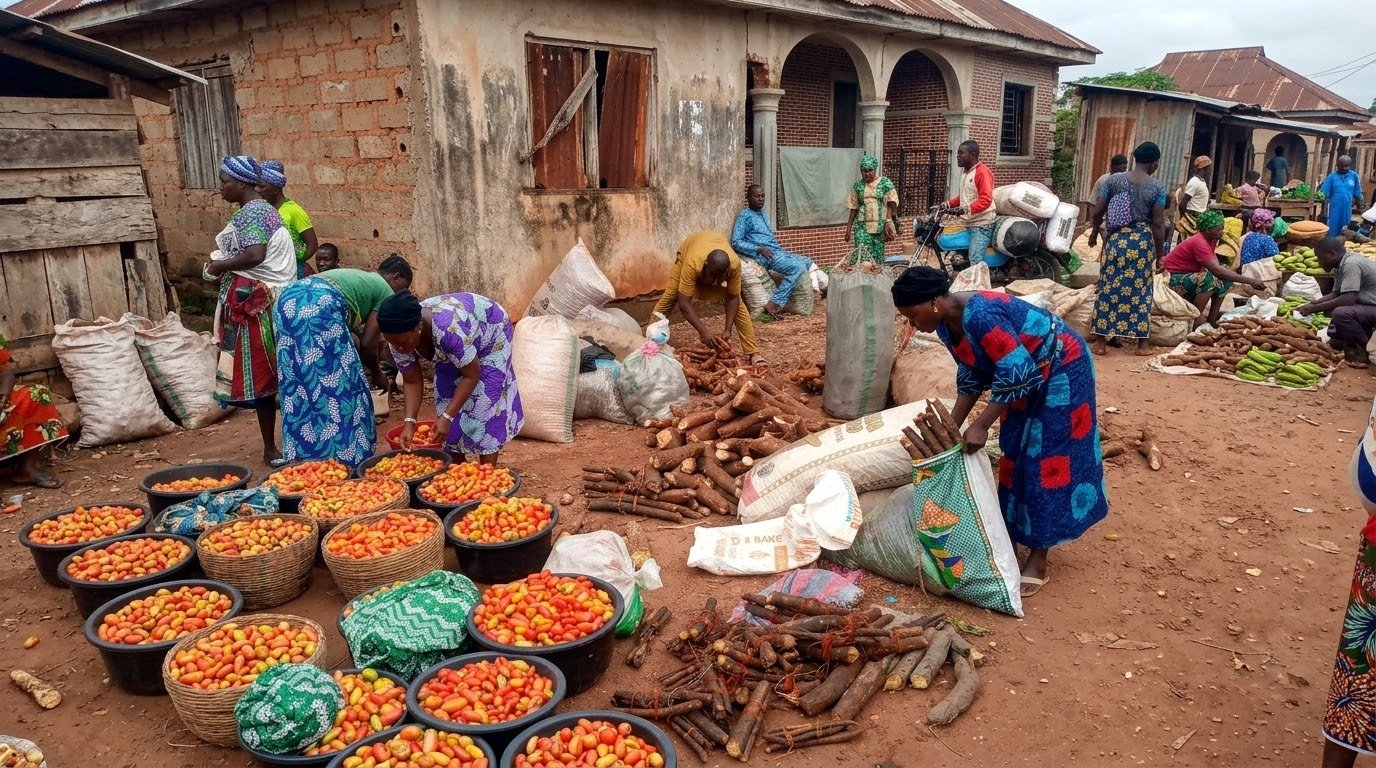
Traders across markets in Kwara State have attributed rising food prices to transportation and production costs.
During an interview with Radio Nigeria Harmony FM, The Iyaloja of Idofian Market in Ifelodun local government, Alhaja Aminat Aminu, said transportation and expenses incurred at the source of goods were among the major factors affecting prices.
“Transportation is one of the major things affecting the prices of goods. Whatever we spend in bringing the goods from where we buy them eventually affects the price we sell them.”
Also speaking, the Babaloja of Idofian market, Mr Lukman Bello, noted that production and demand also influence the cost of goods.
“The growth of goods depends on the effort put into production, and demand also affects the price. Not every challenge in the market can be solved by the government alone,” he explained.
A yam seller, Mr Alfa Safiyi, who has about ten years of experience in the trade, said transportation costs had contributed to the price of yam.
“Yam planting normally starts between September and October. Transportation has also affected the price. The price of yam has remained between ninety thousand and one hundred and fifty thousand naira.”
He added that the rising prices had affected patronage, with customers coming from Osun, Ilorin, Offa, Erinle and Ajase.
In the herbs section, a seller who identified as Alhaja Iya Aminat Alagbo, who inherited the business from her mother, said the prices of herbs had increased considerably.
“Last year, some of the herbs were sold for about one hundred naira, but now they are around five hundred naira.”
She identified herbs for fever and pile, (agbo jedi and agbo iba) among the herbs commonly patronised by customers and attributed part of the increase to transportation costs.
She, however, said non-payment by some customers and difficulties preserving dry herbs during excessive heat remained challenges.
On her part, the Otun Iyaloja of the market, Monsurat Balogun, said the supply of tomatoes was lower this year compared with last year, contributing to the increase in price.
“Last year, tomatoes were around five thousand naira, but now they are selling for about nine thousand naira. The price of tomato seeds has also increased from about one thousand naira last year to two thousand naira this year.”
She noted that fuel and transportation from farms around Idofian were additional factors and called for government support through the provision of fertiliser to farmers.
For pepper, Mrs Hassan Baliqis said rainfall had improved supply this year but had not prevented an increase in prices.
“The supply is better this year because the rain started early, and pepper needs rain to grow. But despite the increase in supply, the price has gone up.”
A cording to her, pepper that previously sold for between ₦2,000 and ₦4,000 now costs between ₦7,000 and ₦8,000, attributing part of the increase to transportation expenses.
The traders appealed to the government to take measures to address the challenges affecting the production and movement of farm produce.


