 0
0
 0
0
By Sola Rotimi
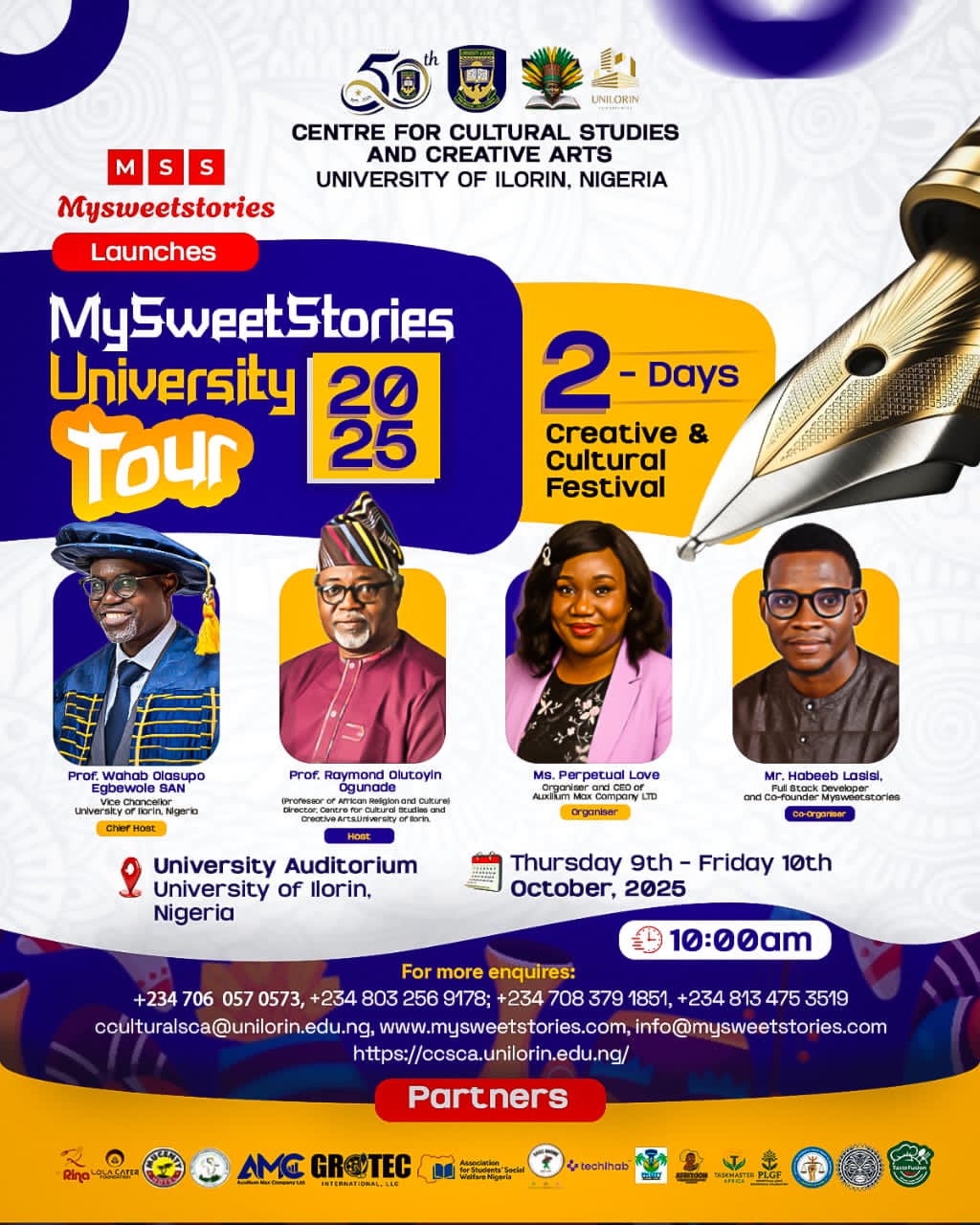
The University of Ilorin has taken a bold step in shaping Nigeria’s creative future as it hosted the unveiling of The Creative Industry Playbook for Nigeria, a national framework designed to unlock the country’s creative potential and drive economic transformation.
Speaking on the theme “Unlocking Nigeria’s Creative Economy for National Transformation” during the launch of The Creative Industry Playbook for Nigeria, Ogunade described the initiative as a timely national framework designed to turn creativity into sustainable economic power.
He said the Playbook marks a “kairos moment” and presents an opportunity to act decisively in transforming Nigeria into Africa’s creative capital.
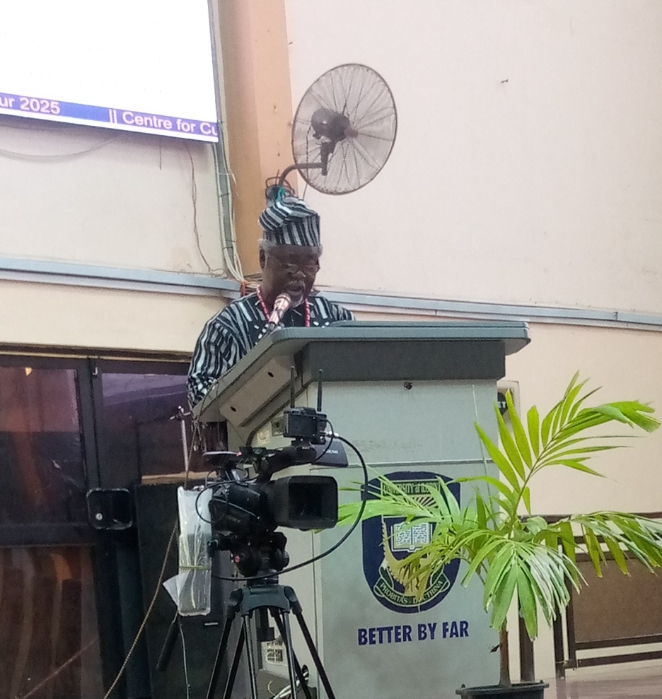
“The Playbook is anchored on seven strategic pillars: funding and investment models, talent development, intellectual property protection, distribution and market access, technology integration, policy and regulation, and global competitiveness,” he said.
According to him, these pillars will serve as the foundation for a vibrant creative ecosystem capable of driving innovation, job creation, and cultural diplomacy.
Ogunade revealed that the Playbook proposes creative venture funds, university-based innovation hubs, blockchain-enabled copyright systems, and diaspora market integration to strengthen local creators’ competitiveness.
He noted that the University of Ilorin, with its reputation for discipline and scholarship, must take the lead in incubating creative entrepreneurship and research-based innovation.
“Here at Ilorin, we can embed storytelling and media skills into curricula, ensuring our graduates are not only academically grounded but also industry-ready,” he emphasized.
One of the Playbook’s key models, MySweetStories (MSS), was showcased as proof of the plan’s practicality.
MSS, a platform that already boasts over 240,000 members, combines storytelling, intellectual property protection, and shared revenue to demonstrate how digital innovation can empower Nigerian creators.
Ogunade emphasized that such outcomes would only be possible through collaboration between academia, government, and the private sector.
He called on corporations, policymakers, and universities to invest in the project, noting that while universities should serve as incubators, students must leverage the opportunities to create and innovate.
In a presentation, Ms. Perpetual-Love Uduma, Founder and Growth Lead of MySweetStories (MSS), explained that the Playbook was launched to transform Nigeria’s creative industry by providing a roadmap for key stakeholders — including startups, government agencies, investors, and creators — to sustainably scale Nigeria’s creative economy.
“This Playbook provides a roadmap for startups, government agencies, corporates, investors, and creators to align efforts, structure initiatives, and scale the Nigerian creative economy sustainably,” she said.

She emphasized storytelling as the core driver of cultural and economic growth and positioned MySweetStories as a key ecosystem builder in shaping Nigeria’s creative future.
Uduma added that MSS focuses on talent development and capacity building to close skill gaps in areas such as animation, gaming, creative writing, and intellectual property (IP) management.
According to her, the platform gives young creatives the opportunity to submit their ideas for adaptation into films and animations, while earning financial benefits through royalties spanning over a decade. She also stressed the importance of equipping young people with basic tools such as artificial intelligence (AI) and teaching them how to use these tools while maintaining originality in their creativity and export Nigerian culture, adding to the country’s creative economy.
Uduma noted that Nigeria’s creative industry, which includes music, film (Nollywood), literature, gaming, and fashion, is one of Africa’s fastest-growing sectors and already a global powerhouse. She, however, observed that despite its global influence, the sector faces several critical challenges that keep it “fragmented and under-structured.”
She identified some of the major challenges as piracy and weak enforcement of copyright laws, which result in the undervaluing of creative assets.
Uduma also mentioned inadequate funding and reliance on informal investors, poor infrastructure, limited global competitiveness, fragmented distribution channels, and the lack of industry-standard training as major barriers to growth.
Declaring the event open earlier, the Vice-Chancellor, University of Ilorin, Prof. Wahab Egbewole, appreciated the MySweetStories team for choosing the University as the first point of call among ten target institutions.
Represented by the Deputy Vice-Chancellor (Management Services), Prof. Adegboyega Fawole, the Vice-Chancellor said the University would continue to raise standards through innovations and partnerships that are difficult to beat.
In a remark, the Director of Academic Planning, Prof. Abdulrasheed Adeoye, emphasized the importance of people telling their stories to global audiences using professional platforms.
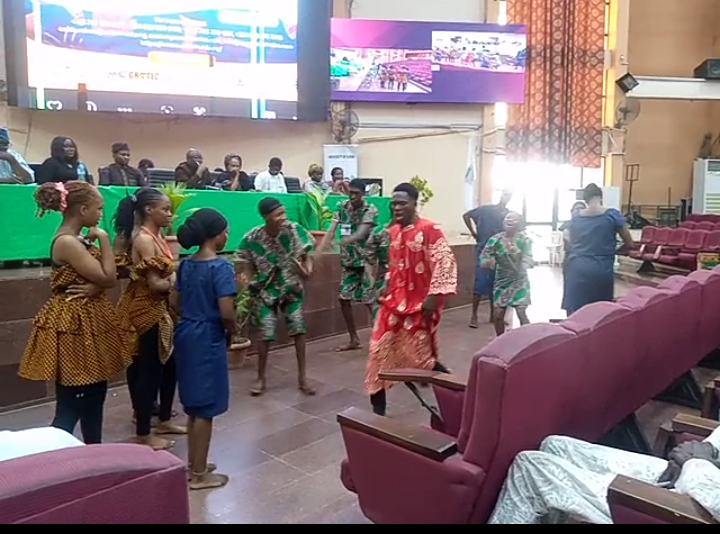
The event, which attracted scholars, industry experts, featured performances such as dance, drama, poetry, spoken word, and Ìjálá chants, as well as online presentation by Ms Chisomaga Njemanze, Co-Founder and story development lead with Afritoon.


