 0
0
 0
0
By Muinat Usman
A Professor of Water Resources and Environmental Engineering at the University of Ilorin, Professor Saheed Adeniyi Aremu, has called for innovative and technology-driven solutions to address the growing challenges of solid waste management in Nigeria and across the world.
Professor Aremu made the call while delivering the University of Ilorin’s 303rd Inaugural Lecture titled, “Complexities in the Transition from Cradle to Grave,” at the institution’s main campus in Ilorin.
The professor explained that the lecture examined the lifecycle of solid waste, from its point of generation, referred to as the “cradle,” to its final disposal stage, known as the “grave.”
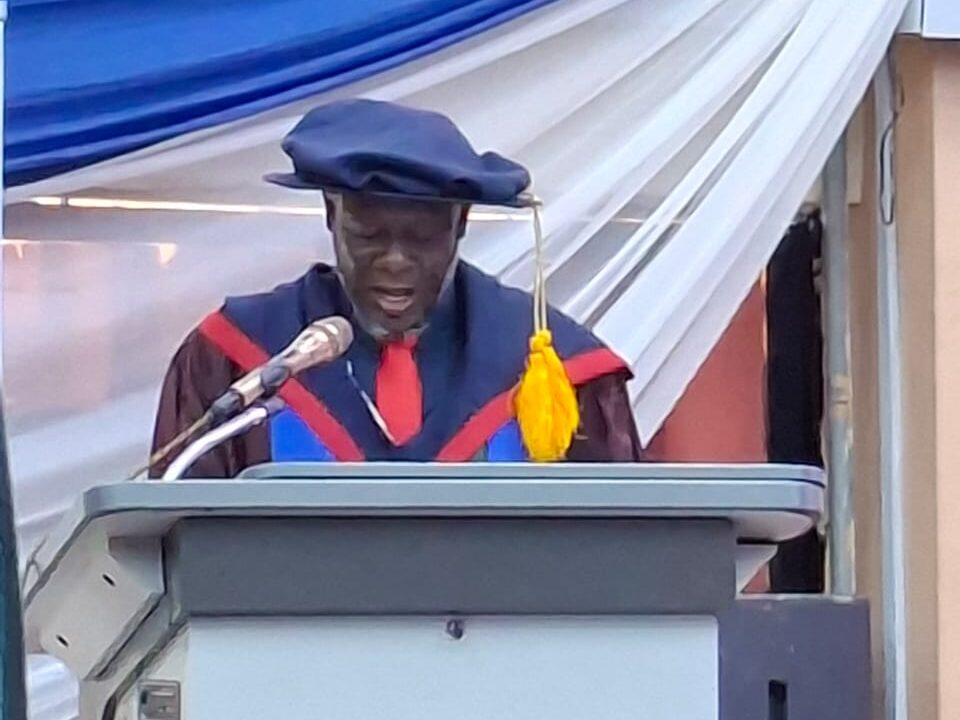
He noted that waste management remains a complex process due to numerous operational, environmental and socio-economic challenges.
According to him, water and environmental issues continue to rank among the most critical concerns at local, national and global levels, stressing that water remains an indispensable resource for human survival, agriculture, industry, transportation and economic development.
Professor Aremu observed that rapid population growth, urbanisation and expanding economic activities have significantly increased global waste generation.
He disclosed that Nigeria produces about 44.5 million metric tonnes of solid waste annually, with a substantial proportion remaining uncollected, thereby contributing to environmental degradation, climate change and public health risks.
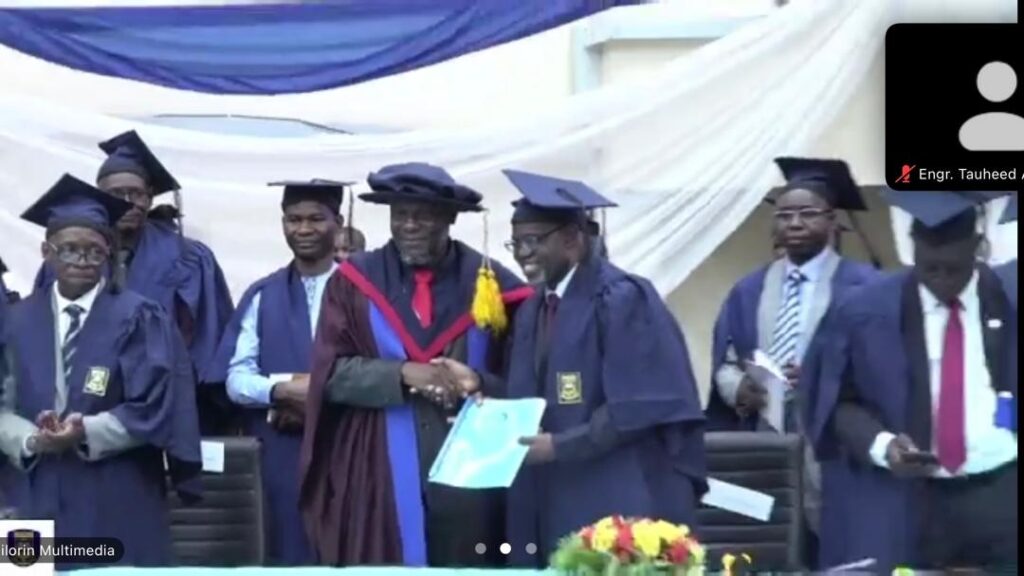
He described solid waste as discarded materials such as food remnants, paper, plastics, textiles, glass and metals, noting that the concept of waste is often subjective, as items considered useless by one person may serve as valuable resources for another through recycling and scavenging.
The inaugural lecturer identified key challenges confronting municipal solid waste management, including the siting of disposal facilities, optimisation of waste collection routes, equitable workload distribution and assessment of environmental and social impacts.
He stressed that scientific research and engineering innovations are essential to overcoming these challenges and building cleaner, more sustainable cities.
Professor Aremu further noted that emerging environmental concerns have broadened the scope of Water Resources and Environmental Engineering, requiring multidisciplinary approaches and new competencies to effectively address sanitation, waste management and sustainability issues.
He urged governments, policymakers, researchers and other stakeholders to invest in sustainable waste management technologies and strategies capable of safeguarding public health and preserving the environment for future generations.


