

 0
0
 0
0
By Abubakar Umar
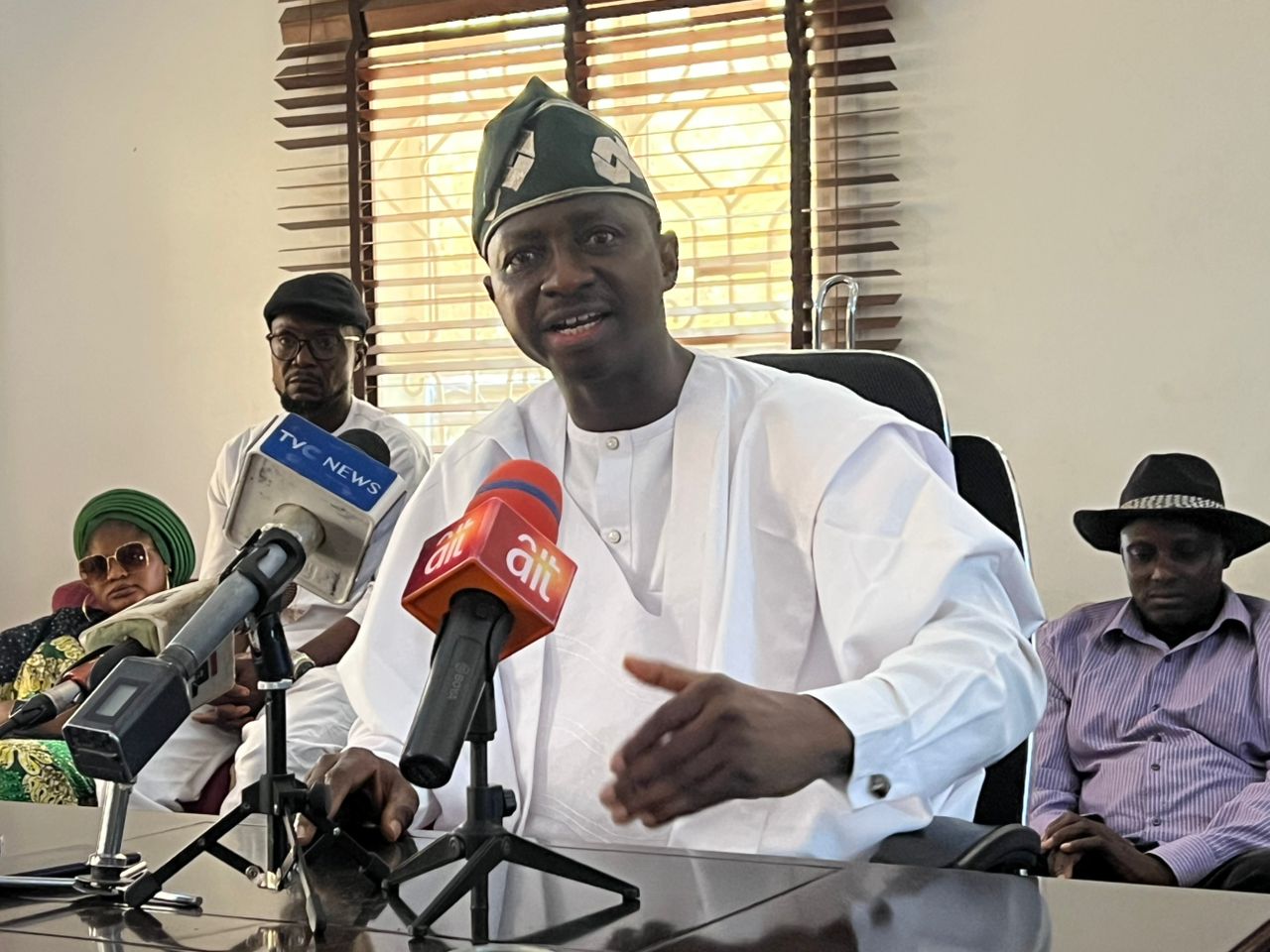
A security expert and 2019 governorship aspirant in Kwara State, Dr. Ibrahim Mohammed Ajia, has identified community policing as one of the most effective strategies for addressing Nigeria’s persistent security challenges.
Dr Ajia said adopting community policing would enable security agencies to gather credible intelligence from grassroots communities, noting that locals have increasingly become soft targets of violent non-state actors due to their vulnerability.
He made the remarks shortly after formally defecting to the All Progressives Congress (APC) at his ward, Magaji Ngeri, in Ilorin West Local Government Area of Kwara State.
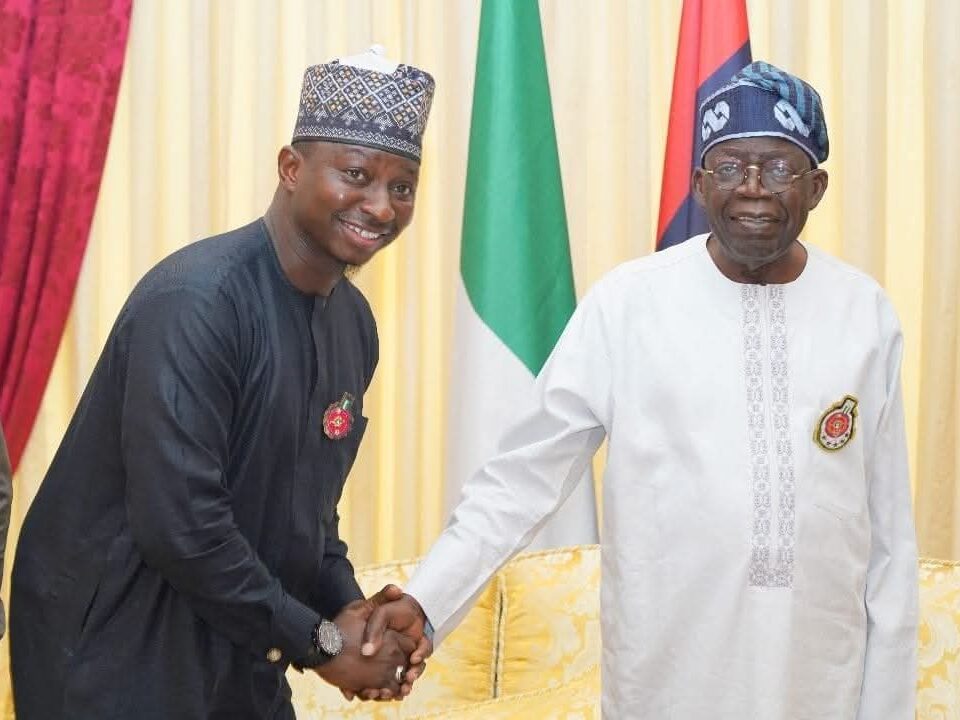
The APC chieftain said recent developments demonstrate President Bola Ahmed Tinubu’s strong commitment to tackling insecurity, particularly citing the appointment of the immediate past Chief of Defence Staff, General Christopher Musa, as Minister of Defence.
According to him, the choice reflects a deliberate and sincere effort by the President to confront security threats without politicising the process.
Ajia emphasised that Nigeria’s security situation goes beyond a purely kinetic approach, stressing that it requires the collective involvement of all citizens.
He urged Nigerians to regard bandits and terrorists as enemies of the state, rather than viewing the crisis through political or religious lenses.
“One of the major reasons for joining the APC is to support the government in addressing insecurity.
We must all come together to confront this reality. My doctoral research focused on community policing and national security, and both my academic findings and practical experience in the Police have reaffirmed that community policing remains the most sustainable solution to Nigeria’s insecurity,” he said.
He explained that his defection from the Peoples Democratic Party (PDP) was driven by national interest, adding that he parted ways with the party on amicable terms.
Ajia described his move as a strategic decision aimed at contributing meaningfully to national security efforts and mobilising support for President Tinubu’s re-election in 2027, as well as backing the development agenda of Kwara State Governor AbdulRahman AbdulRazaq.
Ajia further cautioned against politicising security matters, warning that playing opposition politics on critical national issues could undermine collective progress.
He called on Nigerians to see the country as a shared project that demands unity, cooperation, and responsibility from all stakeholders.
He expressed optimism that recent federal government reforms are beginning to yield positive results, describing them as necessary steps toward economic stability and national recovery.
He pledged to mobilise support across Kwara State to ensure continuity in leadership at both the federal and state levels.


