
 0
0
 0
0
By Bilkis Abdulraheem Lawal
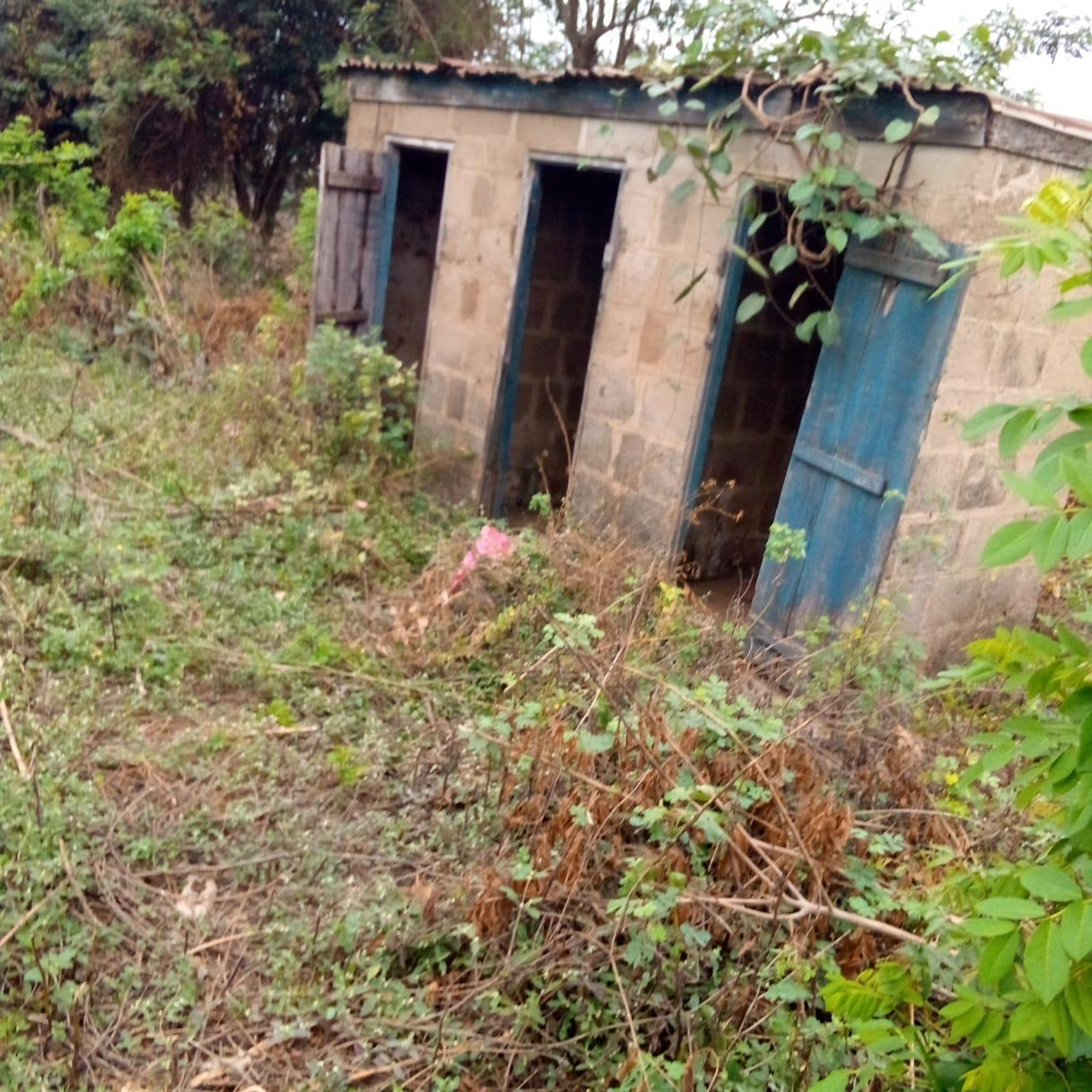
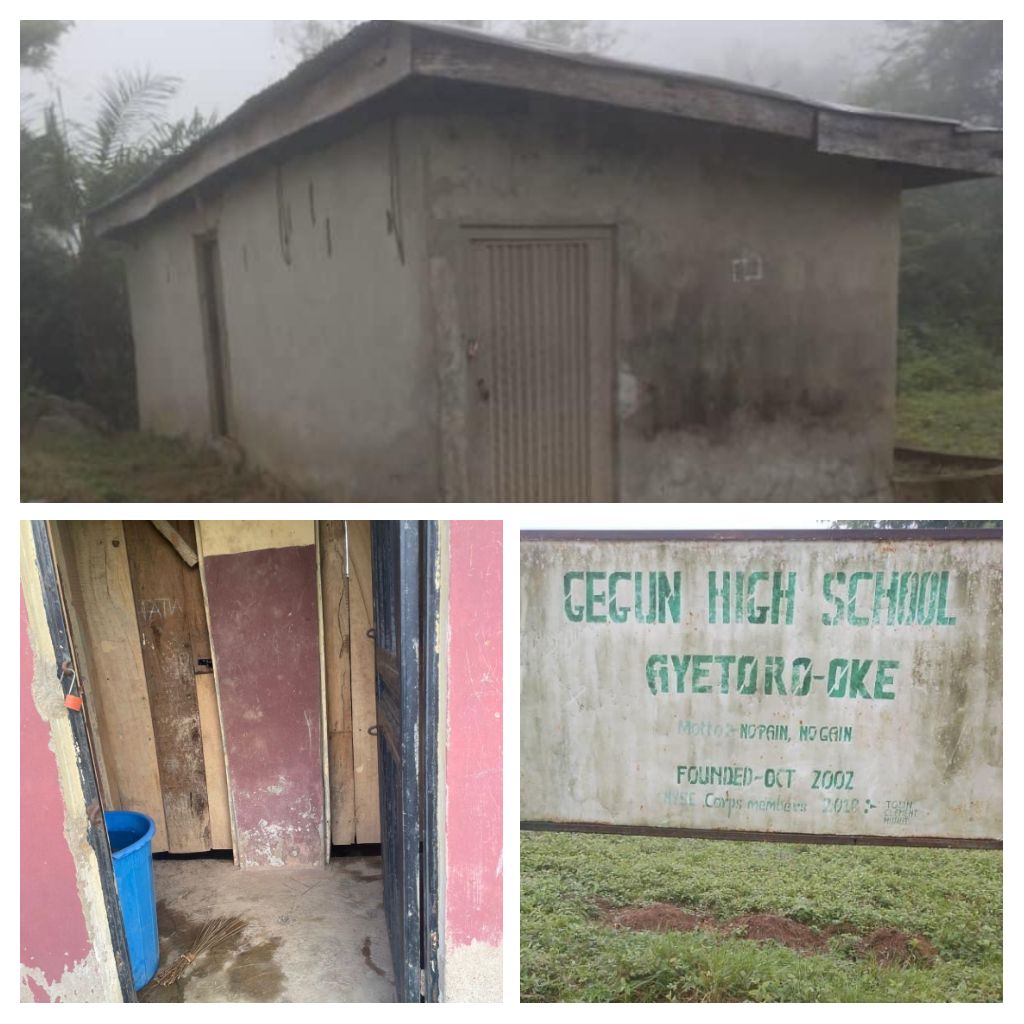
(Pix: Non-Functioning Caretaker Community High School’s Toilet, Ogbomosho)
In this report, Bilkis Abdulraheem visited some public schools in Oyo State, speaking with students, teachers, medical experts and other stakeholders to assess menstrual hygiene challenges and the state of WASH facilities.
When her menstruation begins during school hours, 16-year-old Ifeoluwa Ayodele’s attention shifts from the classroom in Akata Community High School in Ogbomosho, Oyo State, to survival. Her immediate concern is not the lesson on the board, but whether her uniform will be stained, if her classmates will notice, and how long she can endure the pain until the closing bell.
“I feel bad anytime my period starts in school because I do not have access to pads,” she said. “Sometimes I use my cardigan to cover stains so other students don’t shame me. I have missed school because of pain and lack of pads.”
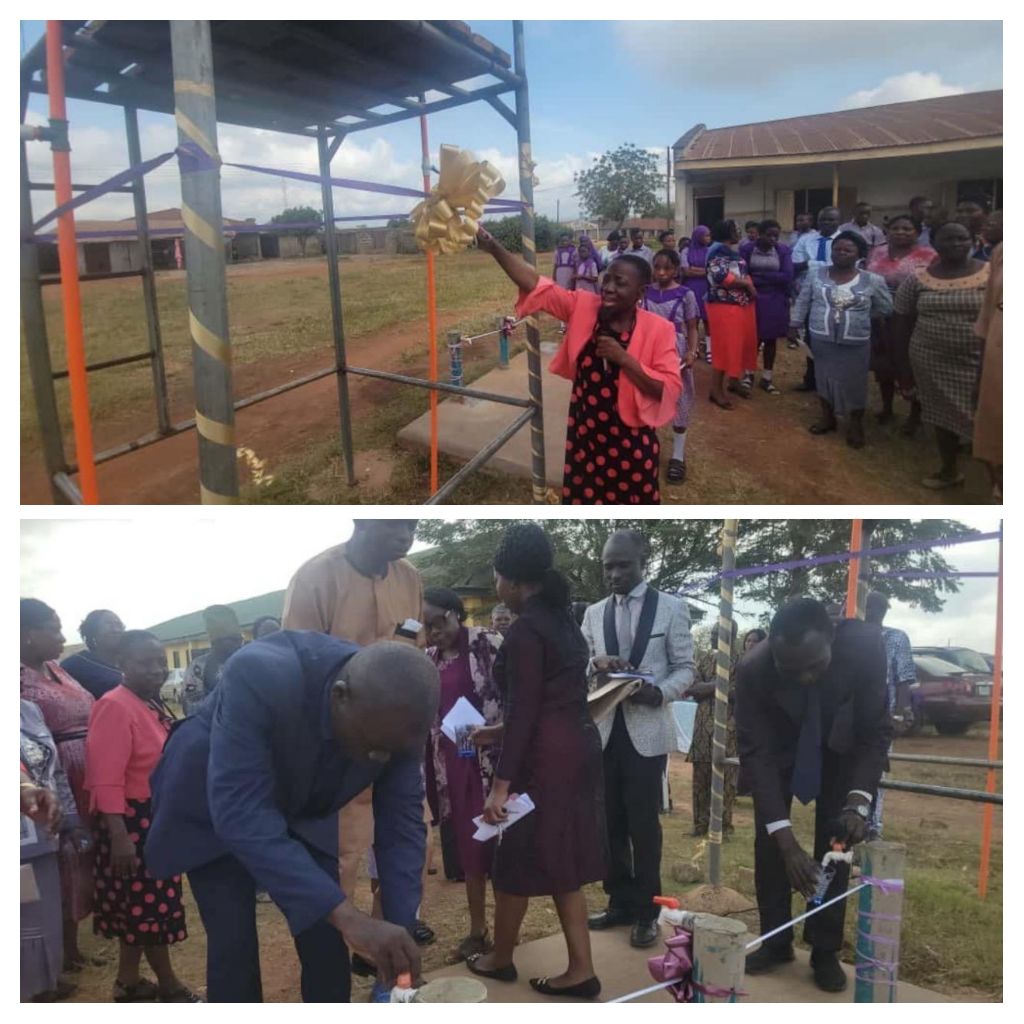
She explained that the school recently had a borehole water commissioned but no toilet yet.
Ifeoluwa’s experience is not isolated. Menstruation has become a barrier to education, driven by the absence of basic Water, Sanitation and Hygiene (WASH) facilities and limited access to affordable sanitary products in many public schools in Oyo State. For many students, the lack of clean, private toilets and running water turns a natural biological process into a reason to stay away from school.
At Muslim Grammar School in Ogbomosho, Mariam Abioye said the reality is the same. Like Ifeoluwa, she often ties a cardigan around her waist to hide stains, as a coping strategy.
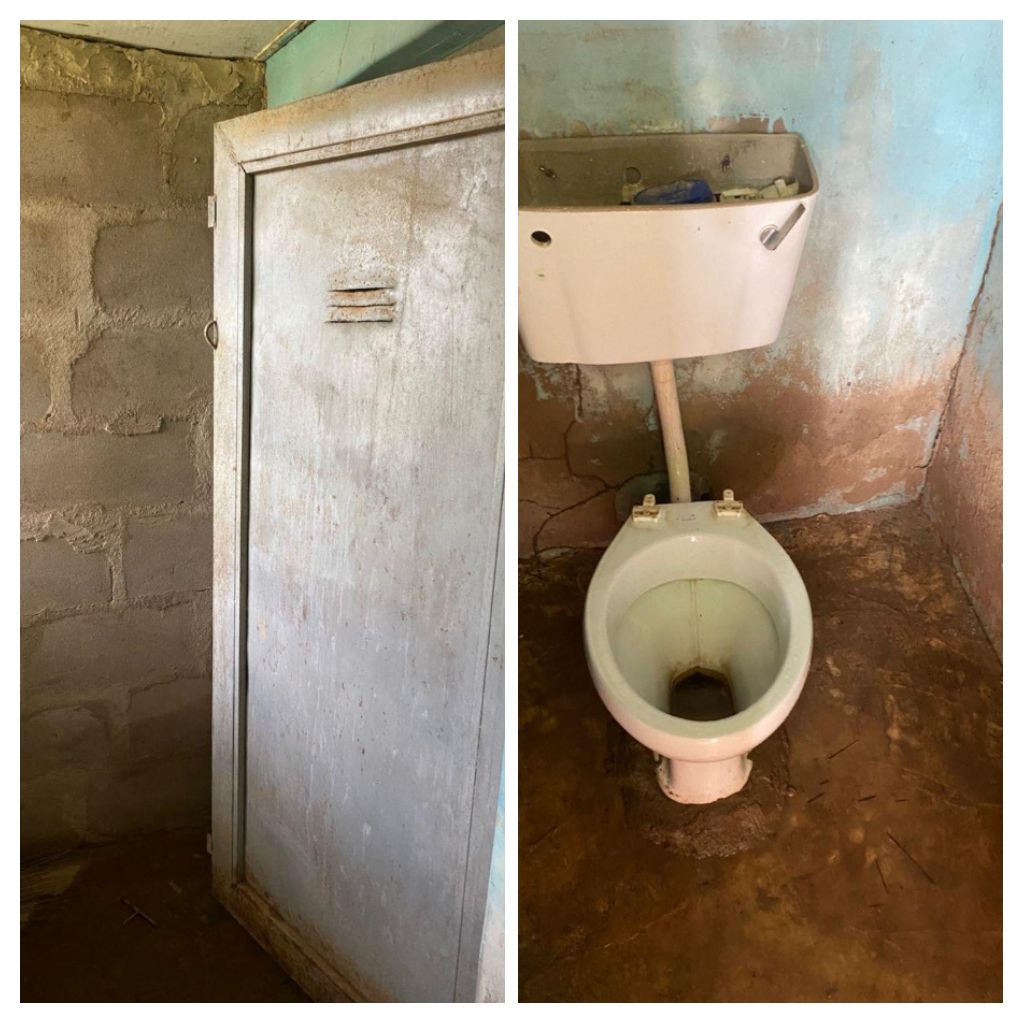
“My school does not have functional toilets or running water. If my pad gets soaked, I cannot change it,” she explained. “Sometimes I stay at home because the pain is too much.”
Another student of the school, Faiza AbdulSemiu, said menstruation at school comes with fear and uncertainty. She identified poor access to sanitary products and the lack of private, hygienic spaces to change as major challenges, adding that these conditions affect students’ concentration and attendance.
At Gegun High School in Ayetoro-Oke, Aisha Sanni said she often wishes she could return home when her period starts during school hours. “I have pads at home, but sometimes I use cloth,” she said. “I don’t like missing classes, so I manage.”
Mary Ayeni, a student of Community Grammar School, Akinlumo, Olodo, Ibadan, also said she prefers using cloth during menstruation.
According to a 2023 UNICEF report, 23 per cent of girls in Nigeria missed school in the previous 12 months because of menstruation. A recent research conducted by the Geospatial Research Unit of The Olympus Consciousness Initiative revealed that less than 20 per cent of public primary schools in Oyo state have adequate sanitation facilities.
Presenting the findings in Ibadan on Monday, December 15, 2025, the lead researcher, Dr Oluwaseun Addie, said the problem is most severe in rural schools, where basic water and toilet infrastructure is largely nonexistent. He warned that the situation exposes pupils and students to serious health risks and also undermines efforts to achieve the United Nations Sustainable Development Goal 6 on clean water and sanitation.
Budget Implementation for Water and Toilet Infrastructure in Oyo State Schools
The Oyo State Rural Water Supply and Sanitation Agency (OYORUWASSA), often in collaboration with UNICEF, is the lead agency responsible for water, sanitation and hygiene (WASH) interventions in communities across the state, including schools. While the Oyo State Ministry of Education oversees primary and secondary school infrastructure, the provision of basic facilities such as toilets and water points is typically carried out through joint efforts involving government agencies, development partners, and funding programmes such as the Universal Basic Education Commission (UBEC) and the State Universal Basic Education Board (SUBEB).
An analysis of budget implementation reports shows wide gaps between allocation and spending. In the first to third quarters of 2025, the State Universal Basic Education Board (SUBEB) implemented just 0.9 per cent of its ₦1.67 billion allocation, leaving over ₦1.65 billion unspent.
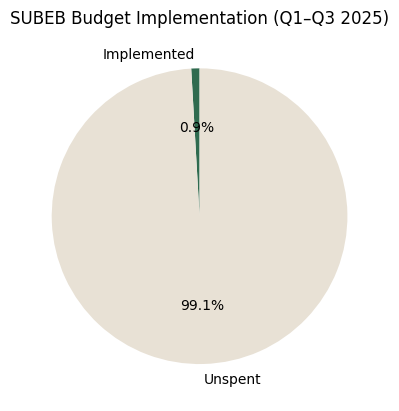
Similarly, the Oyo State Rural Water Supply and Sanitation Agency (OYORUWASSA) implemented only 17.6 per cent of its ₦10 million budget, with more than ₦8.2 million remaining unused.
Data Shows Period Poverty Remains Widespread
Recent studies provide a worrying picture:
Over 37 million girls and women are affected by period poverty in Nigeria (UNICEF/SSRN 2023–2024).
37% of menstruating girls and women do not use sanitary pads due to cost (PMC Study, 2021/2023).
23% of adolescent girls miss school because of menstruation (UNICEF 2023).
Up to 50 days of school are lost annually due to menstrual challenges (WEF/UNICEF 2022–2024).
Only 11% of Nigerian schools have adequate menstrual waste disposal facilities (WHO/UNICEF JMP 2024).
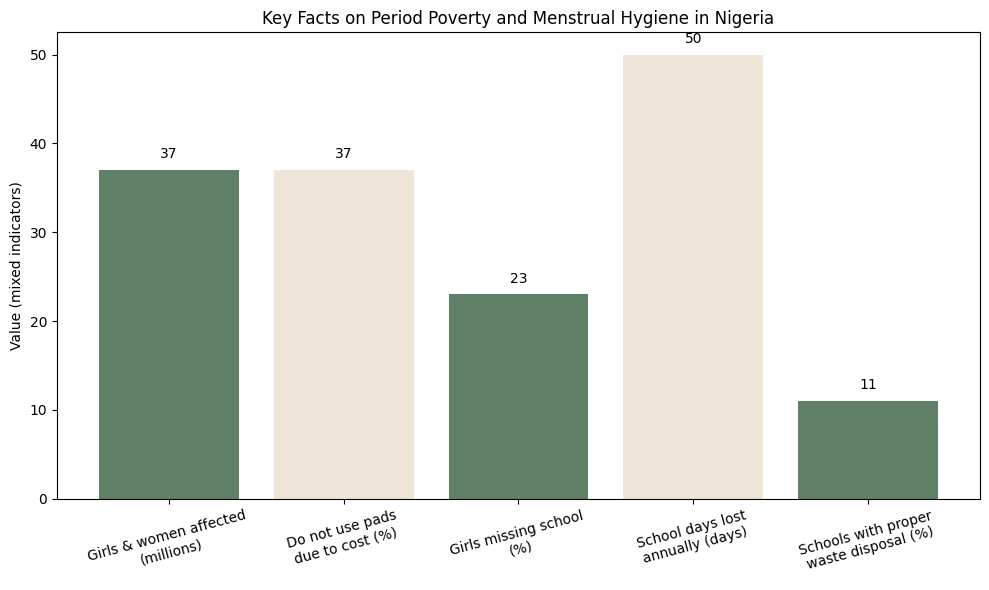
These challenges contribute significantly to school absenteeism and dropout rates among girls.
Policy Gaps and Poor School Facilities
Nigeria’s Policy Guidelines on School Sanitation (2005) require schools to provide:
Adequate drinking and washing water
Proper toilets and handwashing facilities with soap
Boreholes where possible to ensure water supply.
However, several public schools in Oyo State still lack running water and functional toilets, making menstrual hygiene difficult for students.
Despite growing concerns around menstrual hygiene and school health, the budgets reviewed show no specific allocation for sanitary pad provision.
Tax Waiver Not Yet Translating to Affordability
In August 2025, the Minister of Women Affairs, Hajia Imaan Suleiman-Ibrahim, represented by the Permanent Secretary, Dr Maryam Keshinro, described President Bola Tinubu’s approval of tax waivers on sanitary pads as a “landmark intervention” meant to reduce economic barriers for women and girls.
“Menstrual health is not a privilege; it is a right,” the Minister said, adding that by 2030, no girl should have to choose between managing her menstruation and accessing education.
Despite this, prices remain high. A pack containing only two pads sells for about ₦200, while standard packs cost between ₦1,500 and N3,000, and above, depending on brand and quality; still out of reach for many families.
Some parents and traders in Oyo State say the rising cost of sanitary pads has become a burden, but one they are forced to bear for the safety of their daughters.
Mrs Bello, a trader in Ibadan, lamented that sanitary pads are now very expensive. “The price of pad is very high, but I have no alternative than to buy it for my daughter,” she said. “I cannot risk her using cloth like in the olden days because of contamination.” She urged relevant stakeholders to consider reducing the cost of sanitary pads to make them more affordable.
In Ibadan, another parent, Mrs Tawa Ayanda, a trader along Old Ife Road, in Ibadan, said sanitary pads are among the items she sells. “Pad is one of the things I sell, so I pick it from my shop and give it to my daughter whenever she is menstruating,” she explained.
At Oja Igbo Market in Ogbomosho, Mrs Adeagbo, said the rising cost of living has affected everything in the country, including sanitary pads. “Everything is expensive in Nigeria now, and pads are not an exception,” she said, adding that she still prioritizes buying pads for the safety of her daughters.
Renewed Hope Initiative’s ‘Flow with Confidence’ Reaches Oyo State
In October, the First Lady, Senator Oluremi Tinubu, launched the Flow with Confidence menstrual hygiene packs, with each state expected to receive 10,000 packs.
She stated: “No girl should miss school because she cannot afford sanitary products. This trend must end. We are supporting girls in rural communities and those who cannot afford pads.”
Similarly, the 24th of November, Senator Tinubu, extended Flow With Confidence menstrual hygiene programme to Oyo State as part of a nationwide initiative targeting 370,000 schoolgirls.
At the launch of the programme, the First Lady represented by the Wife of the Oyo State Governor, Mrs. Tamunominini Makinde, said the beneficiary is expected to receive 12 packs, sufficient to last for one year.
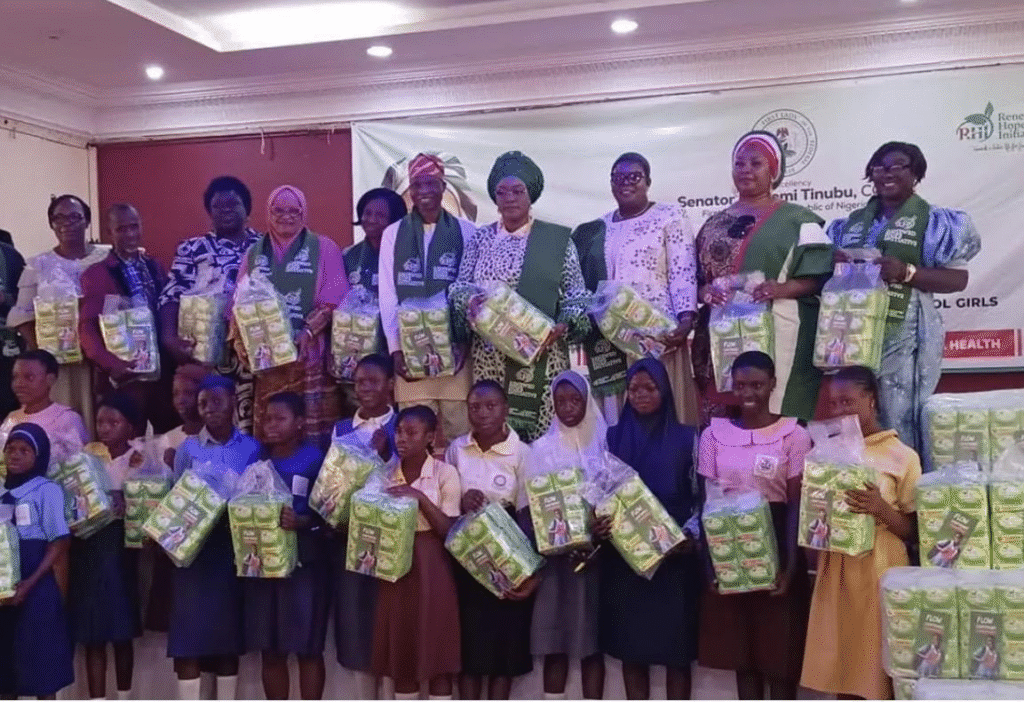
As at the time of this report, some teachers in Oyo State said their schools are yet to benefit and appealed for extension of the gesture to the state.
Also, Oyo State Government, through the Oyo State Rural Water Supply and Sanitation Agency (OYORUWASSA), in partnership with Hershima & Partners Ltd. and the United Nations Children’s Fund (UNICEF), Lagos Field Office, had a four-week step-down improved Menstrual Hygiene Management (MHM) for schools and communities in Egbeda and Ona-Ara Local Government Areas.
The training aimed at educating girls, parents, teachers, and community stakeholders with knowledge to support menstrual hygiene.
At the event, Chairman of Oyo State Rural Water Supply and Sanitation Agency, Alhaji Babalola Afobaje, explained that the agency’s core mandate includes ending open defecation, but improving menstrual hygiene among schoolgirls has become an important area of focus.
Afobaje assured that the provision of separate toilet facilities for girls will be implemented gradually across the State, but awareness and education remain the most crucial steps in the immediate term.
“Menstruation is a natural sign of life and growth. Our girls must understand that it is nothing to be ashamed of. They deserve support, not stigma. They also need to know how to care for themselves and maintain good hygiene for healthy living,” he said.
Teachers Describe Realities in Oyo Schools
At St Anne’s School, Molete, Ibadan, Mrs Aliyu Monsurat said she once worked with a school administrator who ensured availability of pads, analgesics and detergents for emergencies. She added that NGOs visit occasionally to educate students.
Mrs Adekunle Lawal said although she rarely records absenteeism due to menstruation, students who miss tests receive make-up assessments.
“There is no official provision for girls who start their period in school, but as mothers, we try to help them,” and some NGOs also visit sometimes, educate the girls on menstrual hygiene and donate sanitary towels”. she noted.
Other teachers, who preferred anonymity, confirmed that some students miss classes due to menstrual pain or lack of pads. They confirmed that the school authorities or government do not provide sanitary facilities for students, although the schools have access to water and toilets.
Oyo State Government Working on WASH Policy Review
The Oyo State Government says it is partnering with UNICEF and WaterAid Nigeria to review and validate its WASH policy.
Chairman of the Oyo State Rural Water Supply and Sanitation Agency (RUWASSA), Alhaji Babalola Afobaje, said the review would “provide a clear framework for implementing WASH initiatives across Oyo State and ensure sustainable access to clean water and sanitation.”
In schools, poor Water, sanitation and hygiene (WASH)facilities are a major driver of absenteeism among girls during menstruation. It plays a critical role in closing the menstrual hygiene gap, as girls require a reliable supply of clean water to maintain personal hygiene, including washing their bodies and menstrual materials. When water is unavailable, many are forced to adopt unhygienic practices, increasing the risk of reproductive and urinary tract infections.
The challenge is worsened by inadequate sanitation facilities. The absence of private, safe and lockable toilets makes it difficult for girls to change their menstrual pad as often as necessary, while poorly maintained, and non–gender-segregated facilities expose them to safety and privacy concerns.
A lack of proper disposal systems for used menstrual products also poses serious health and environmental risks. Without bins or effective waste management, used materials are often discarded in open spaces or flushed into latrines and sewers, leading to blockages and pollution.
Beyond the physical challenges, poor WASH conditions also affect social and psychological well-being, deepening the shame, stigma and discomfort associated with menstruation in many communities.
NGOs Call for Stronger Government Action
Ms Dolapo Adigun, founder of The Diary of an African Child, urged the government to establish pad banks where organisations and individuals can donate pads, adopt a comprehensive menstrual hygiene policy, and allocate annual budgetary provisions for sanitary pads in schools.
Ms Adigun called for collaboration between Non-Governmental Organisations and the Oyo State Government on the training of staff and students, especially on breaking the barrier of stigma.
She appealed to the Oyo State Government to emulate the Wife of the President’s “Flow With Confidence” initiative to curb period poverty.
“Even when pads are available, some girls are ashamed to ask,” she said, calling for wider training to reduce stigma and strengthen support for students.
Doctor’s Perspective: “Poor Hygiene and Pain Keep Girls Out of School”
The Medical Director of King Fahad ibn AbdulAziz Women and Children’s Hospital, Gusau Zamfara state, Dr Amina Mohammed Hassan, emphasised the medical and emotional impact of inadequate menstrual hygiene support.
She explained that menstrual cramps, dysmenorrhoea, occur in two forms.
“Primary dysmenorrhoea is part of normal menstruation and is caused by prostaglandins triggering uterine contractions. For some girls, it is mild, for others it is severe enough to keep them out of school,” she said. “Secondary dysmenorrhoea is caused by conditions like endometriosis, ovarian cysts or fibroids, and requires medical attention.”
Dr. Hassan stresses that simple lifestyle adjustments can go a long way in managing menstrual pain. “We can teach girls simple remedies,” she says. “They should stay hydrated to improve circulation, exercise regularly to ease muscle contractions, and use warm compresses, even a towel dipped in hot water, to relax the muscles. These small steps make a big difference.”
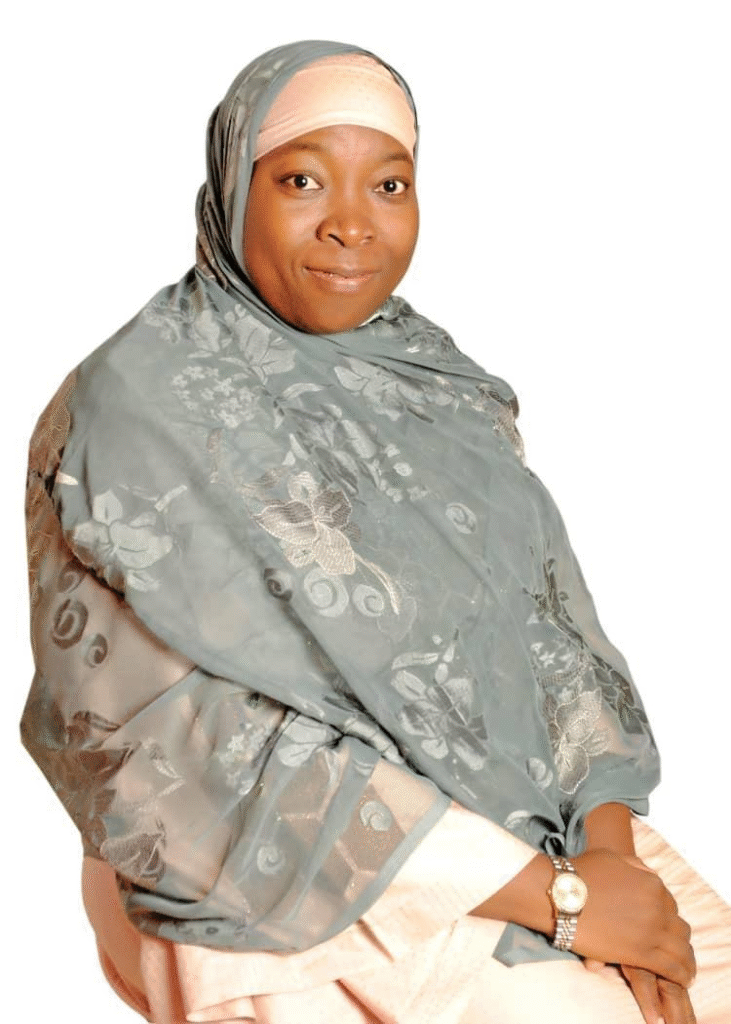
On menstrual hygiene, the doctor noted that poor menstrual hygiene exposes girls to infections. “Pads should be changed every two to three hours, depending on the flow. If they are left on for too long, it creates a warm, moist environment where bacteria thrive. It can lead to vaginal infections like vaginosis or candida.”
She also highlights the emotional toll. “When girls are unable to manage their hygiene properly, it affects their self-esteem. The fear of odour or stain can make them anxious or even keep them out of school.”
Dr. Hassan advocates practical education and improved facilities. “Schools play a vital role,” she says. “We need to teach adolescents about puberty, menstrual hygiene, and reproductive health so they understand what’s happening to their bodies.
She also called for improved WASH (Water, Sanitation, and Hygiene) facilities, including separate toilets for boys and girls and solar-powered boreholes for water access in schools. “One of the most embarrassing experiences for a girl is to stain her clothes and have no way to clean up,” she says softly. “But if schools have proper water and soap facilities, girls can manage their periods with dignity.”
Dr. Hassan also believes in equipping schools with first aid supplies to help manage menstrual pain. “Simple non-steroidal anti-inflammatory drugs like paracetamol or ibuprofen can ease the pain caused by prostaglandins. But I always advise girls to start with non-medical methods, hydration, rest, warmth, and exercise, before resorting to medication.”
As Nigeria works toward improving access to education, stakeholders say menstrual health must be recognised as an essential part of that agenda. The experiences of students in Oyo State, the concerns of teachers, and medical expert’s insights all point to the same conclusion: period poverty is not merely a personal struggle but a systemic barrier to girl-child education.
Ensuring affordable pads, functional WASH facilities and stigma-free support systems is not a favour to girls, it is a responsibility owed to them. Real progress will be measured not in policies announced but in dignity restored, opportunities protected, and classrooms where no girl is left behind because of her period.
Note: The student names in this story are pseudonyms.
This report was facilitated by DevReporting in partnership with Education As a Vaccine (EVA) and supported by the Malala Fund.


