 1
1
 0
0
By Rasheedat Oladotun-Iliyas
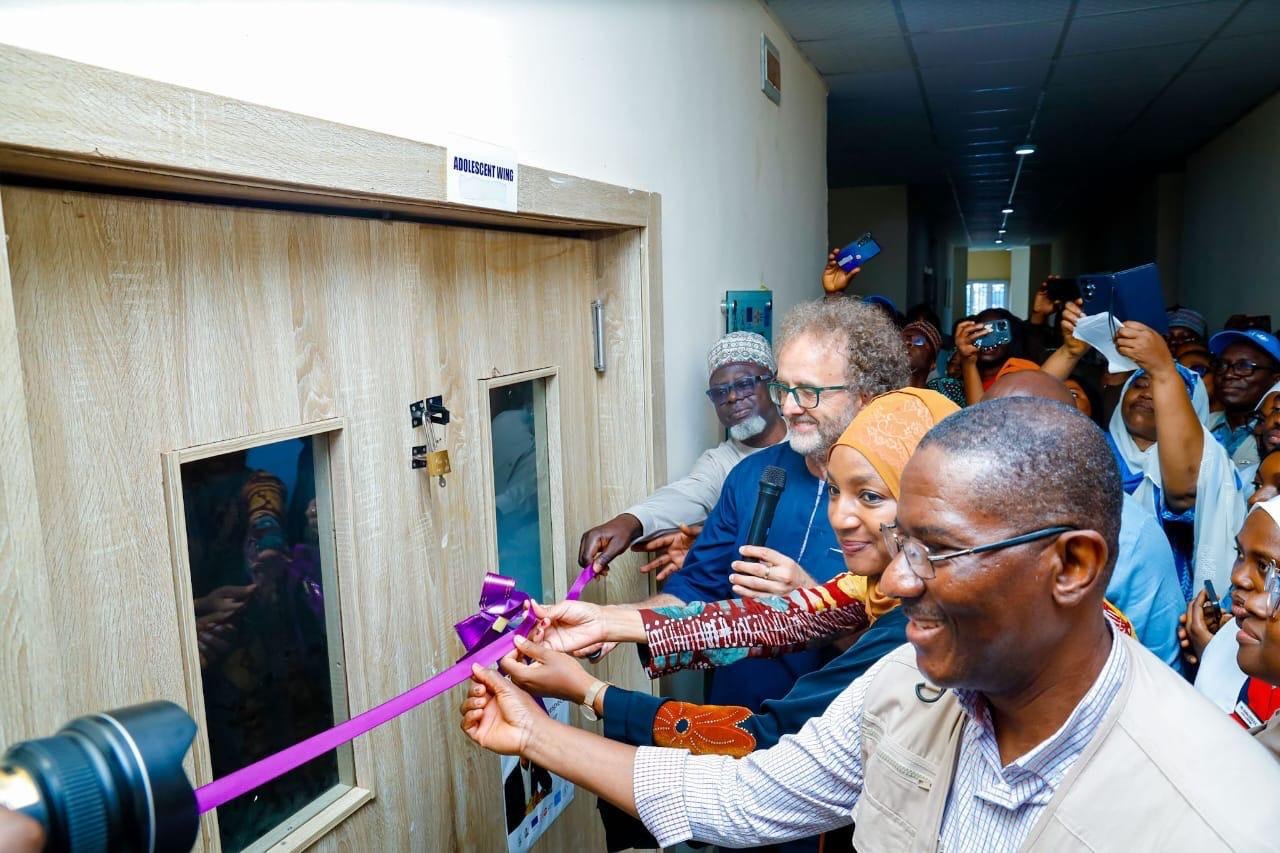
The European Union says it is considering an expansion of its intervention in reproductive, maternal and adolescent health in Kwara State through the EU-SARAH programme.
The Head of Cooperation, EU Delegation to Nigeria and ECOWAS, Massimo De Luca, disclosed this during an assessment tour of health facilities and communities benefiting from the programme in the state.
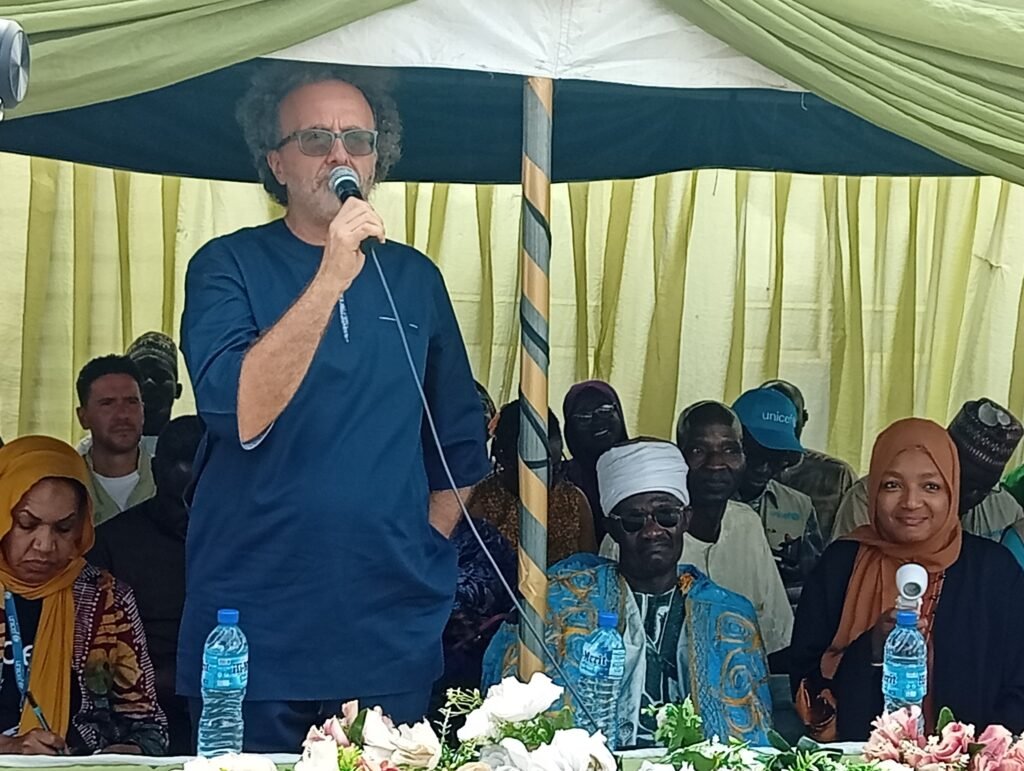
De Luca said the European Union Strengthening Access to Reproductive and Adolescent Health (EU-SARAH) initiative was established to complement government efforts in improving access to healthcare rather than assume the responsibilities of the state.
“We are here to support the government. We are not replacing government. If government is not moving, we cannot move,” he said.
According to him, government ownership and leadership were essential to the success of development interventions, as external partners could only achieve sustainable results by working alongside governments.
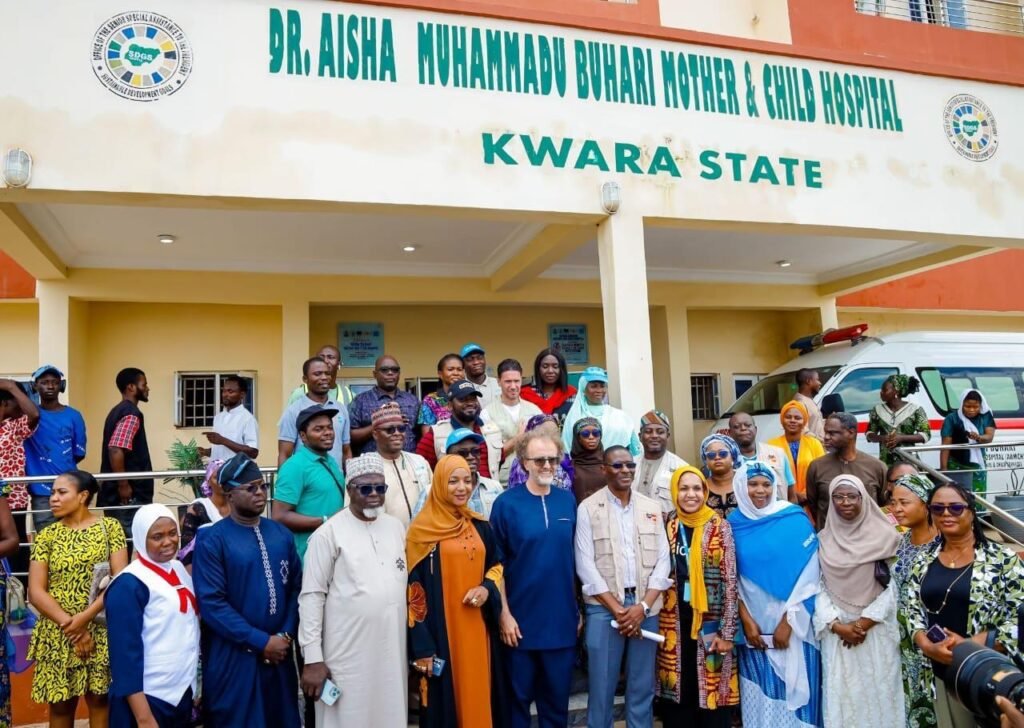
EU-SARAH, which is funded by the European Union and implemented by the United Nations Children’s Fund (UNICEF) and United Nations Population Fund (UNFPA), operates in Kwara, Sokoto and Adamawa states.
De Luca noted that although the three states faced different health and social challenges, Kwara had benefited from extensive grassroots engagement under the programme.
He cited collaboration with community volunteers, civil society organisations and residents as some of the factors that had strengthened the implementation of the intervention in the state.
The EU official commended the Kwara State Government for placing health, particularly maternal and child health, among its priorities, saying this had enhanced collaboration between the government and development partners.
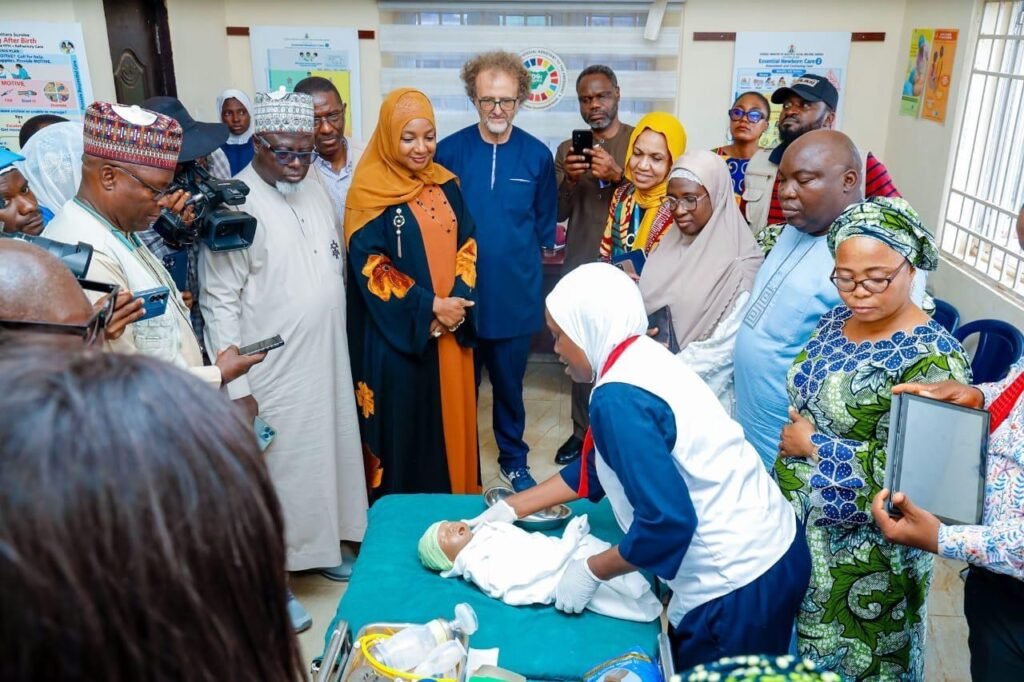
He also acknowledged the contributions of UNICEF, UNFPA and other implementing organisations in connecting adolescents with essential services, including antenatal and postnatal care, family planning and other reproductive health interventions.
De Luca stressed that adolescent health required particular attention because untreated health and reproductive challenges could have consequences for young people’s education, wellbeing and future prospects.
He said some adolescents experiencing serious health or social challenges could be forced out of school, become exposed to difficult circumstances or, in extreme cases, lose their lives.
He therefore encouraged communities to monitor the quality of adolescent services available at primary healthcare facilities, including access to appropriate assistance, commodities and other support.
The EU representative also pointed to the programme’s capacity to respond to emerging situations, noting that adolescents affected by attacks in some communities in February were able to access assistance through the intervention.
He said the EU delegation was exploring ways of increasing its support for EU-SARAH across Kwara, Sokoto and Adamawa in partnership with the Federal Government.
The Kwara State Commissioner for Health, Dr Amina Ahmed El-Imam, described EU-SARAH as an important development partnership that had contributed to strengthening healthcare delivery in the state.
El-Imam said the intervention had enhanced the skills of healthcare workers, generated greater interest in family planning services and improved community knowledge of sexual and reproductive health.
She said interactions with health workers and residents during the assessment visits indicated that the programme was influencing how communities perceived and accessed healthcare services.
The commissioner also identified increased male participation in family planning as one of the positive developments associated with the intervention.
According to her, greater support from men had enabled more women to access family planning services openly instead of having to seek such care without the knowledge of their spouses.
She urged women to involve their partners in family planning decisions while encouraging men to continue supporting their spouses’ access to reproductive health services.
In Balogun Fulani community, the Chairman of the Ward Development Committee, Alhaji Ibrahim Balogun, said the programme had contributed to a noticeable change in residents’ attitudes towards healthcare.
Balogun said community sensitisation had increased awareness of the importance of antenatal services and skilled care during childbirth.
He noted that some residents who previously depended on home deliveries and traditional healthcare providers were increasingly being encouraged to use formal health facilities.
Balogun affirmed that the programme had also created greater awareness of issues including child abuse, gender-based violence and rape, as well as other challenges affecting children and adolescents.
According to him, the location of the primary healthcare facility within the community had further improved access, particularly for pregnant women requiring regular medical attention.
Balogun expressed appreciation to the EU and other development partners for supporting the intervention, saying its effects were becoming visible among community members.
EU-SARAH is designed to improve access to reproductive, maternal, newborn, child and adolescent health services in Kwara, Sokoto and Adamawa states.
The programme is financed by the European Union and implemented with technical support from UNICEF and UNFPA.


