 1
1
 0
0
Alfred Ajayi
As the world marks World Food Day on October 16, attention is turning to the urgent need to transform food production, improve access to nutritious meals and build resilient agricultural systems capable of feeding a growing population.
The 2026 commemoration, themed “Innovate Today, Nourish Tomorrow,” highlights the importance of scientific advances, modern technologies, traditional knowledge and inclusive approaches to achieving sustainable food security.
Established by the Food and Agriculture Organization of the United Nations (FAO) in 1979, World Food Day raises awareness of hunger, malnutrition and the need for sustainable food systems. It also draws attention to Sustainable Development Goal Two, which seeks to end hunger, achieve food security and improve nutrition by 2030.
However, the scale of global hunger suggests that much more needs to be done. The State of Food Security and Nutrition in the World 2025 report estimated that about 673 million people experienced hunger in 2024, representing 8.3 per cent of the global population. Approximately 2.3 billion people faced moderate or severe food insecurity, while 2.6 billion could not afford a healthy diet.
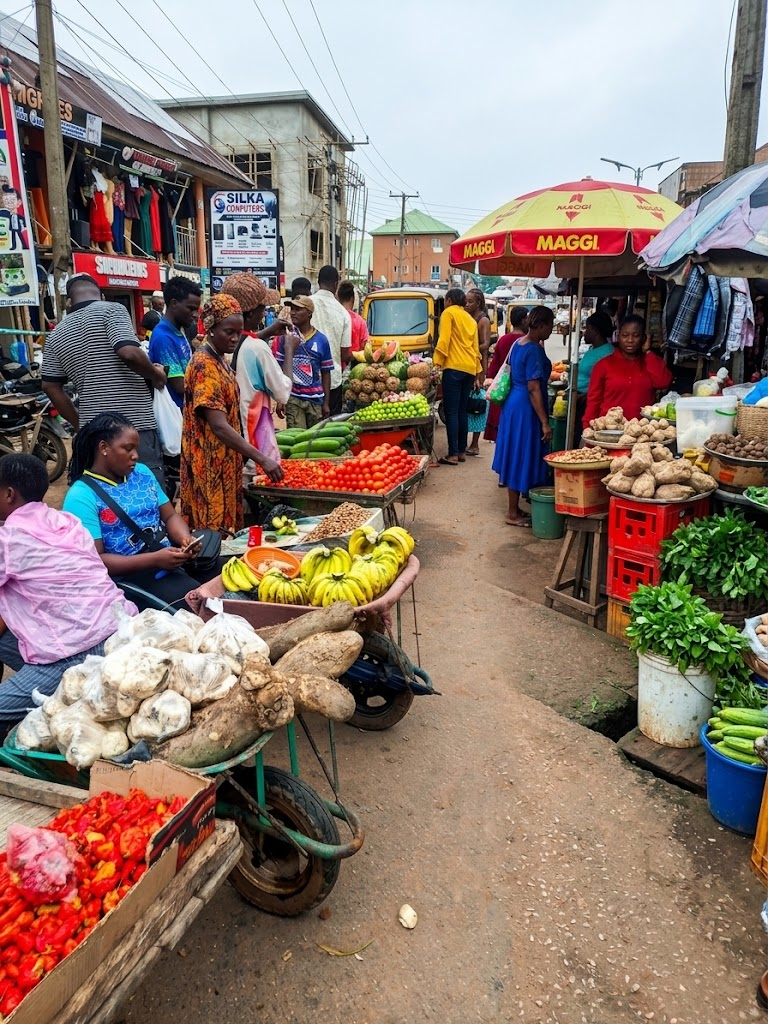
In Nigeria, economic hardship, rising food prices, climate-related challenges and insecurity affecting farming communities continue to threaten food availability and affordability.
The Food and Agriculture Organization projected in March 2025 that 30.6 million people across 26 states and the Federal Capital Territory would face acute food and nutrition insecurity at crisis level or worse during the June–August 2025 lean season.
Against this backdrop, agricultural stakeholders say innovation, investment and improved security are essential to ensuring that Nigerians can produce and access sufficient food.
Innovation beyond modern machinery
For Ethel Umeh, a farmer and agricultural entrepreneur, the World Food Day theme reflects the daily realities of food production and the need to prepare for the future.
Umeh, founder and managing director of Ebic Farms, an organic agricultural company, believes that better seeds, improved soil management and effective storage systems are necessary to increase production and reduce food losses.
“The theme of the 2026 World Food Day, ‘Innovate Today, Nourish Tomorrow,’ is not merely a slogan for farmers; it is our daily reality,” she said.
“If we do not innovate today through better seeds, improved soil management and better storage systems, we cannot adequately nourish our communities tomorrow.”
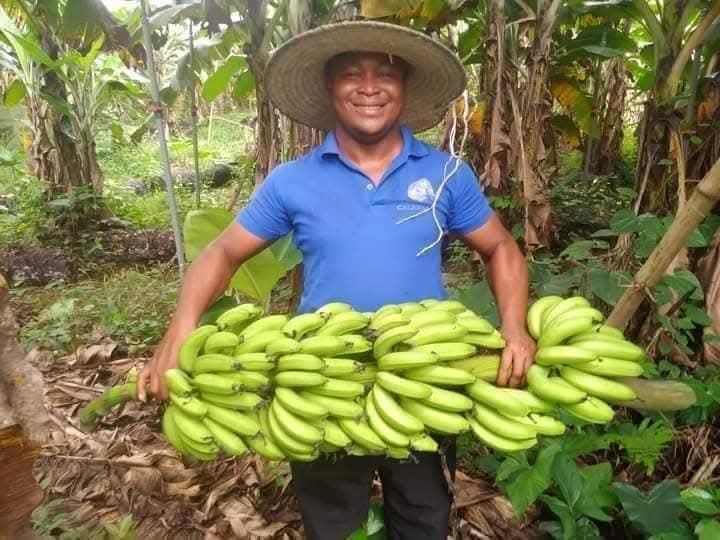
He emphasised the importance of involving young people in agriculture, arguing that the perception of farming as punishment must change.
“When we give young people access to learning opportunities, finance, technology and training, they do not just farm; they also invent,” she said.
Umeh also called for greater investment in women farmers and local food systems, stressing that Nigeria has the capacity to feed its population if governments, businesses and individuals contribute to the effort.
“I believe no child should go to bed hungry when we have the knowledge and capacity to feed everyone,” she added.
Modern agriculture and food preservation
Agribusiness expert Joshua Njimaezi, also believes that innovation must be central to Nigeria’s response to food insecurity.
He called for agricultural mechanisation, effective irrigation, improved food processing and better support for farmers to increase output and ensure food availability throughout the year.
According to him, dependence on rainfall limits production, while modern irrigation systems can enable farmers to cultivate crops beyond the traditional planting seasons.
Njimaezi also advocated backyard farming, encouraging households to grow vegetables in available spaces, including sacks and flower pots.
He said households could cultivate pumpkin, cucumber and pepper, reducing their dependence on purchased food and helping to ease pressure on family budgets.
Food preservation, he added, is equally important because agricultural produce often goes to waste when farmers cannot store or process their harvests.
“When we talk about food security, we must also consider the preservation of agricultural products,” he said, citing seasonal fruits such as mangoes and oranges as examples of produce that could benefit from improved preservation methods.
He maintained that processing facilities and reliable markets would reduce post-harvest losses, encourage farmers to expand production and help stabilise food supplies.
Njimaezi urged the government to direct agricultural funds to genuine farmers, provide access to tractors and harvesters, and subsidise fertilisers and organic manure.
He also stressed that better rural roads were necessary to reduce transportation costs, which often make food more expensive in urban markets despite its relatively low price at the farm gate.
Chika Orji, an official of the Small Scale Women Farmers Organization in Nigeria (SWOFON), a coalition of over 500,000 Women Farmers Associations and Groups across 36 states in Nigeria, calls for greater attention to smallholder women farmers who according to her are majorly responsible for food production in the country.
“The women farmers are the backbone. They play a critical role in food production. For instance in Nigeria, the smallholder women farmers constitute about 70% of total agricultural workforce across the value chain. Yet, they face barriers that undermine their ability to produce food.
“They are committed to food security across Nigeria, Africa and globally. Their challenges include access to market, post harvest loss due to lack of post-harvest infrastructure while climate change is also a problem for them.

“Think about those smallholder women farmers in our communities. It is all struggle and stress. Struggle to get their seeds, ply bad roads to and fro their farms and in evacuating their produce to market. Most of them do not have direct access to market. They suffer in the hands of the middlemen.
“They need access to technologies that will enhance their food production efforts.
Climate change and sustainable production
Climate change presents another challenge to food production, making sustainable land management and efficient water use increasingly important.
To this end, Njimaezi said farmers must understand the suitability and fertility of their land, the water requirements of crops and the need to cultivate appropriate crops in particular locations.
He recommended irrigation and the use of organic manure from poultry and cattle waste to maintain soil fertility. “Planting cowpeas for instance on land previously used extensively for maize and other grains to help restore soil nutrients through nitrogen fixation.
Reverend Father Uchechukwu Nkemjika of the Catholic Diocese of Orlu, similarly stressed the importance of agricultural innovation and government investment.
“Israel is using irrigation to support agricultural production despite extensive desert terrain.
“If Israel, with its extensive desert terrain, can feed its population and supply food to neighbouring countries, Nigeria, which is blessed with abundant rainfall, should be able to do much more,” he said.
“Governments, individuals and non-governmental organisations must invest more in agriculture, noting that Nigeria’s natural resources offer significant opportunities for increased food production.
Insecurity threatens food production
Respondents noted that despite the opportunities presented by innovation, insecurity remains a major obstacle to agricultural development.
Threat of kidnapping and attacks, conflicts between farmers and herders all expose crops to destruction and discourage cultivation.
Displacement of farmers in rural communities, particularly in northern Nigeria, could worsen food shortages.
In the same vein, Njimaezi also insisted that farmers would struggle to increase production without adequate security. “People cannot go to farm when they are not secured,” he said.
He called on the government to protect farming communities and establish clear boundaries for crop cultivation and livestock production.
The agribusiness expert also advocated ranching, arguing that better livestock management could improve milk production and support the manufacture of dairy products such as cheese and yoghurt.
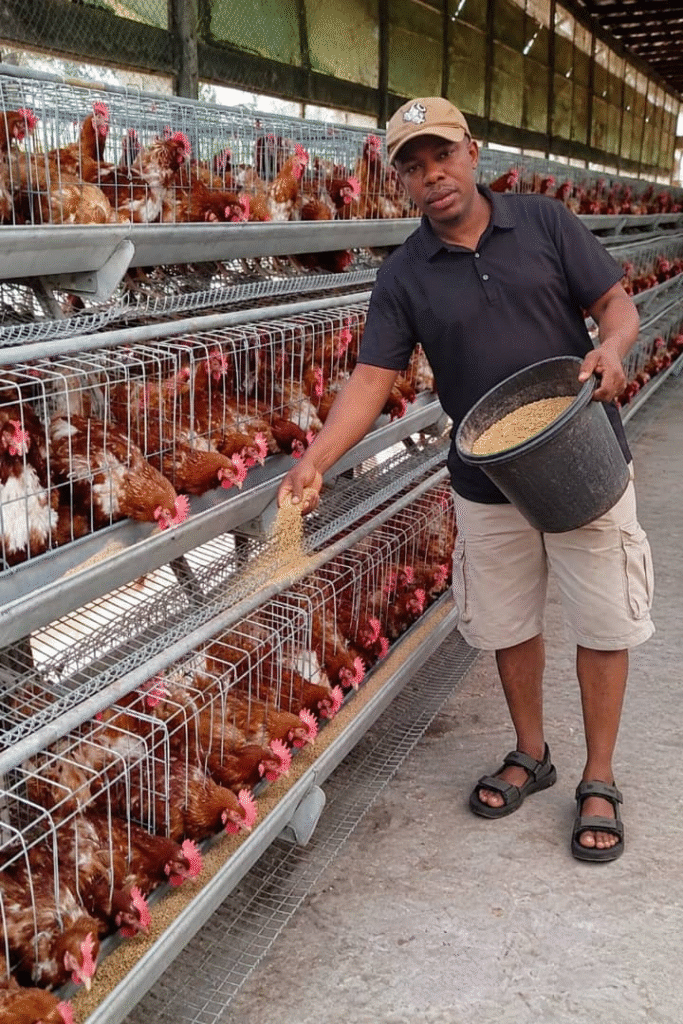
“Government must support poultry farmers making poultry production more affordable for households.
“Promoting suitable breeds, such as Noiler chickens, could provide families with a more accessible source of poultry meat, while reducing feeding costs through the use of appropriate household waste.
Government support and a sustainable future
Beyond improving production, experts say the government must address the economic challenges that discourage farmers from remaining in business.
According to them, when markets are unreliable, perishable products such as eggs can spoil, forcing farmers to reduce output.
“Let the federal, state and local governments consider purchasing produce directly from farmers and developing appropriate pricing mechanisms to guarantee markets.
“They must also called for investments in storage facilities, processing plants, functioning markets and rural infrastructure to reduce losses and improve distribution.
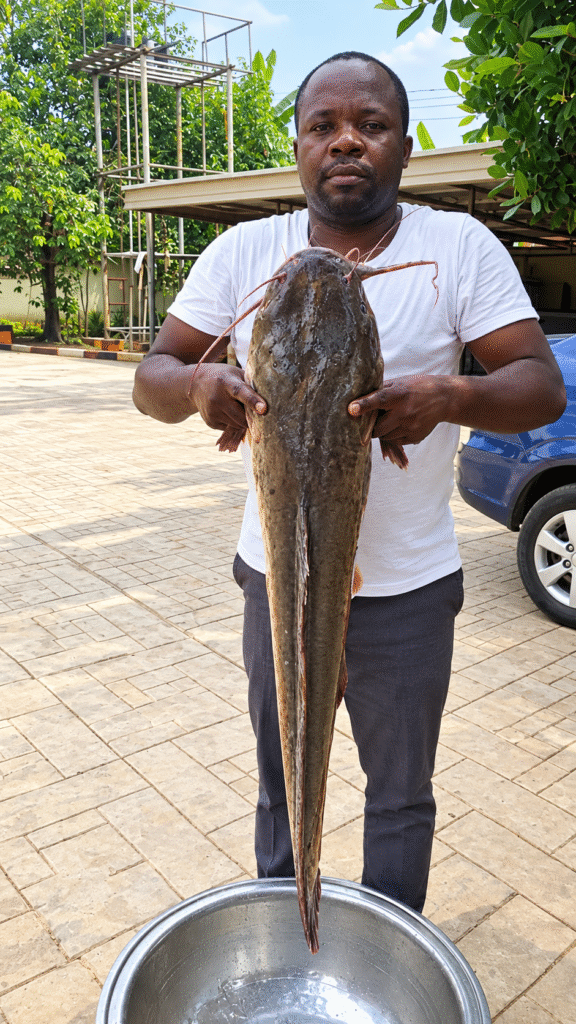
For Father Nkemjika, the high cost of fish feed has also become a significant challenge. “Personally, I had previously maintained up to 10,000 fish but I have reduced the size because of rising feeding costs. Some farmers considering leaving the business.”
As Nigeria joins the rest of the world to commemorate World Food Day 2026, the message from the agricultural stakeholders is clear: sustainable food security requires more than increased production.
It demands innovation, affordable farming inputs, reliable markets, climate-resilient practices, adequate infrastructure and security for those who produce food.
With the global target of ending hunger by 2030 approaching, the challenge is to translate these recommendations into practical action.
Ultimately, they argue that the promise of “Innovate Today, Nourish Tomorrow” will depend on whether the country can turn its resources, knowledge and innovations into sufficient, affordable and nutritious food for its people.


