
 1
1
 0
0
By Rasheedat Oladotun-Iliyas
NIMC logo
Residents of Ilorin, Kwara State, seeking National Identification Number (NIN) data modification are being directed by some officials of the National Identity Management Commission (NIMC) to pay service fees into private bank accounts, in clear violation of Federal Government’s guidelines requiring all payments be made only into designated government accounts. In several instances, the amounts demanded are significantly higher than the official fees published on the commission’s website.
These practices, taking place openly within the NIMC State office in Kwara, raises serious concerns about transparency, accountability, and financial integrity within Nigeria’s Digital Public Infrastructure (DPI) ecosystem, and risk undermining public trust and nationwide enrolment efforts.
The NIMC, is an agency of the Federal Government set up in 2007 to cater for enrolling Nigerians into a central identity database. According to its enrollment guidelines on its website, enrollment is free, while services like modification of name, address, and date of birth, attract charges. All payments are required to be made into the Federal Government’s Treasury Single Account (TSA) through the Remita platform.
However, multiple residents interviewed in Ilorin say these guidelines are routinely ignored at the Kwara State NIMC office, where applicants pay more than the official rate and payments are made into private accounts without official receipts.
First-hand experience
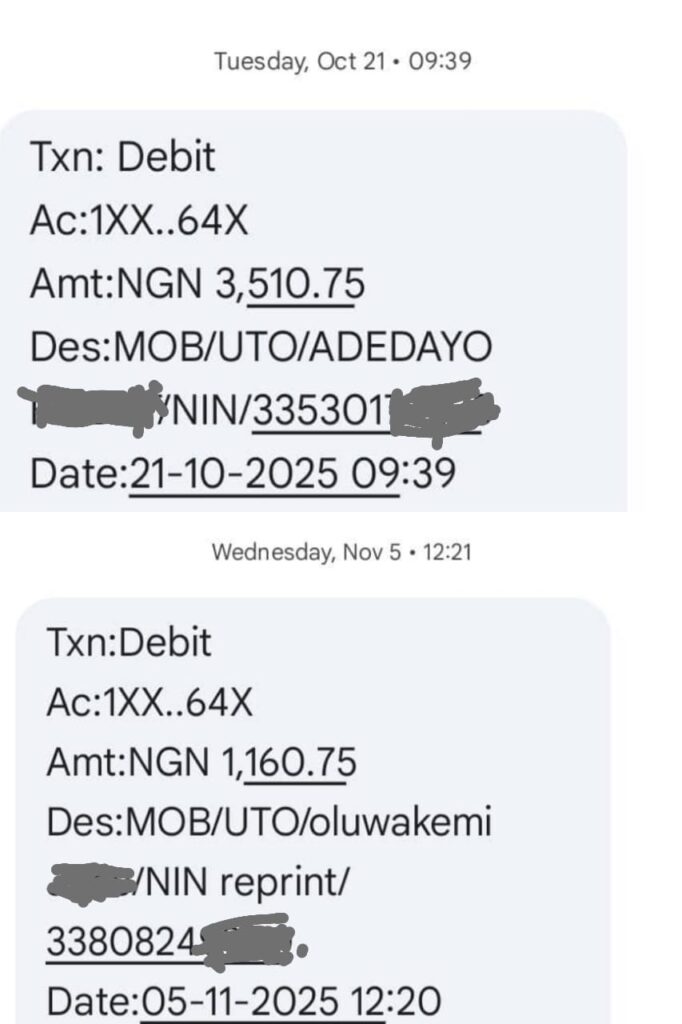
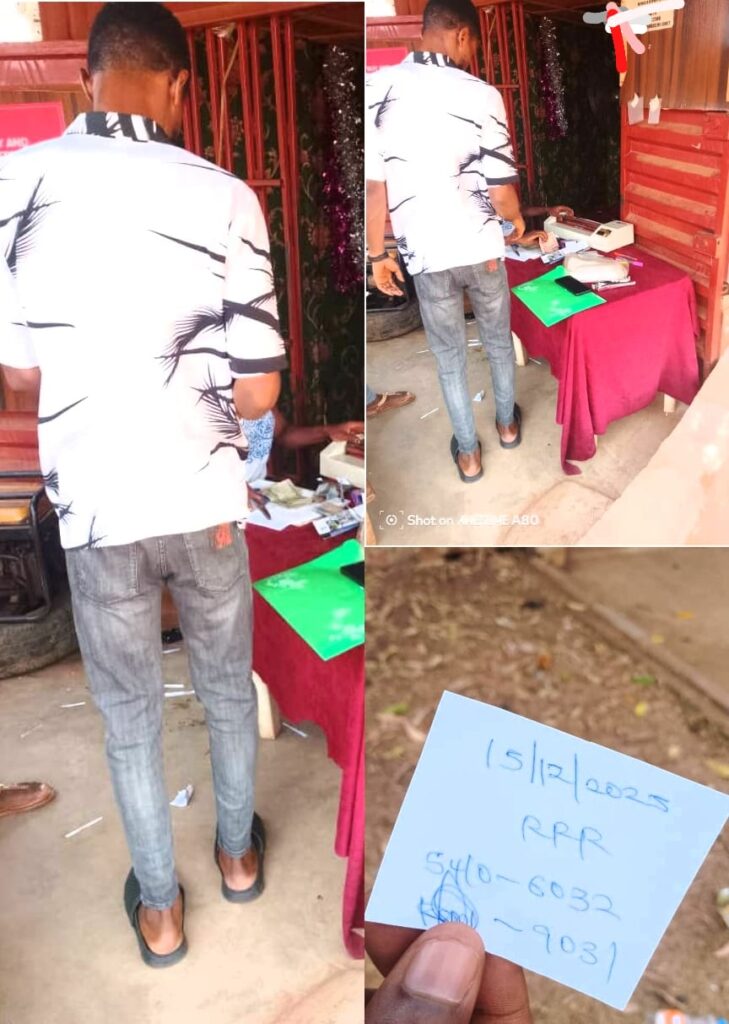
On October 21, 2025, the reporter had gone to the office to make name modification in her NIN data. At the point of service, she informed the official of her quest. Rather than being directed to the Remita platform, she was handed a piece of paper with a handwritten bank account number and instructed to pay N3,500, this is N1,500 above the official charge of N2,000.
No receipt was issued.
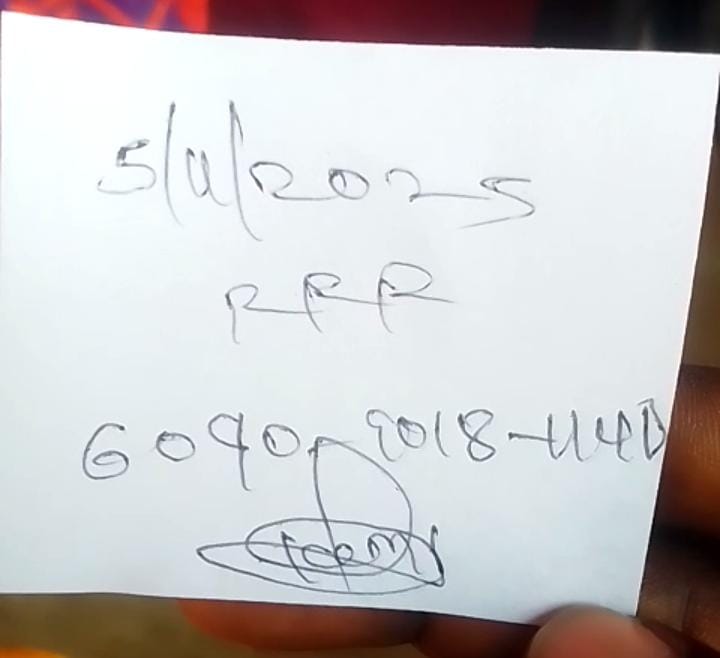
After the modification was done, she came back on November 5, 2025, to collect the reprinted NIN slip, she was asked to pay an additional N1,000 – again above the official N600 fee – this time to a woman operating a computer and POS services outside the NIMC’s office fence. After payment, she received a handwritten code on paper, which she presented inside the office before her slip was released.
Both payments were made into different private accounts.
Other applicants present at the time confirmed they were also charged ₦1,000 for NIN slip reprints, despite the published fee of N600.
During a follow-up visit, on Thursday, January 8, 2026, the reporter witnessed a heated confrontation involving a middle-aged woman who said she had been asked to pay ₦35,000 to correct her date of birth. She left the premises angrily after questioning the justification for the charge.
Her claim contradicts NIMC’s approved ₦28,574 charge.
Mr. Isiak Hammid who had brought his children for NIN enrollments said he had witnessed a similar scenario when he first visited the NIMC State office some days back.
“The woman complained bitterly about the Date of Birth charges. She said she could not afford it,” he recounted.
Beyond the State Office: A Pattern Across Centres
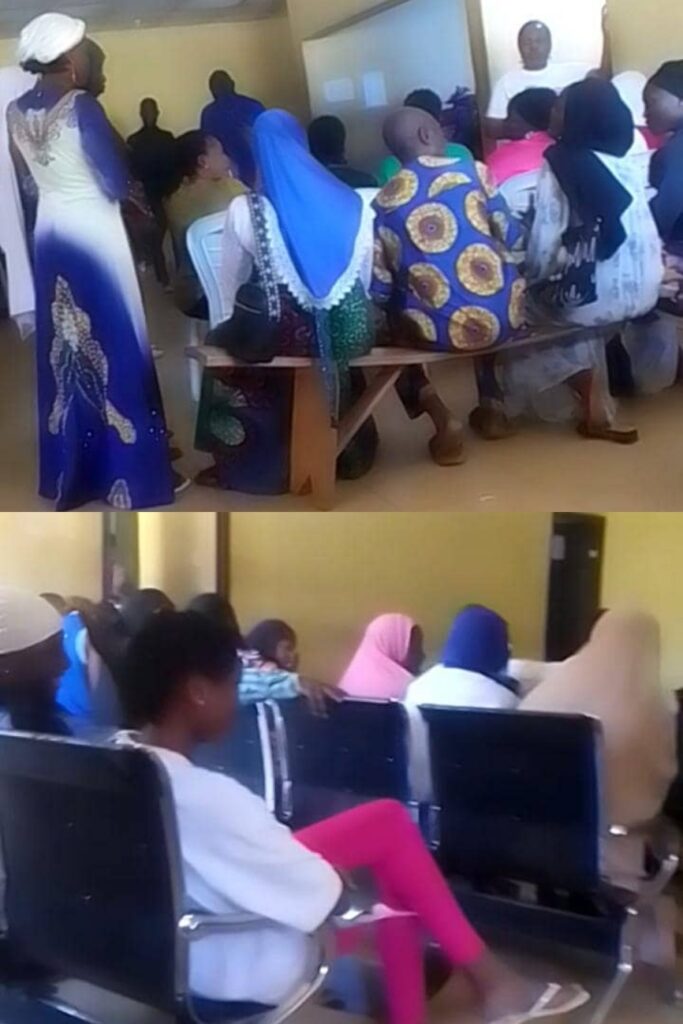
On each day, applicants are issued numbers written on paper to ensure proper coordination. The applicants are called into the modification and registration areas based on their numbers. Some days, the number of applicants runs into over 90 for new enrollment and 50 for modifications.
A daycare attendant, who identified herself as Mama, also said she paid N1,000 for new enrollment and N2,000 for a slip reprint when she visited the NIMC office sometime in 2025.
Although Mama’s claim of payment for new enrollment could not be ascertained as at the time of the visits by the reporter, it was however established that some centres in Ilorin collect between N500 and N1,000 for new enrollment. This reality is different from the official position which states that new enrollment is free.
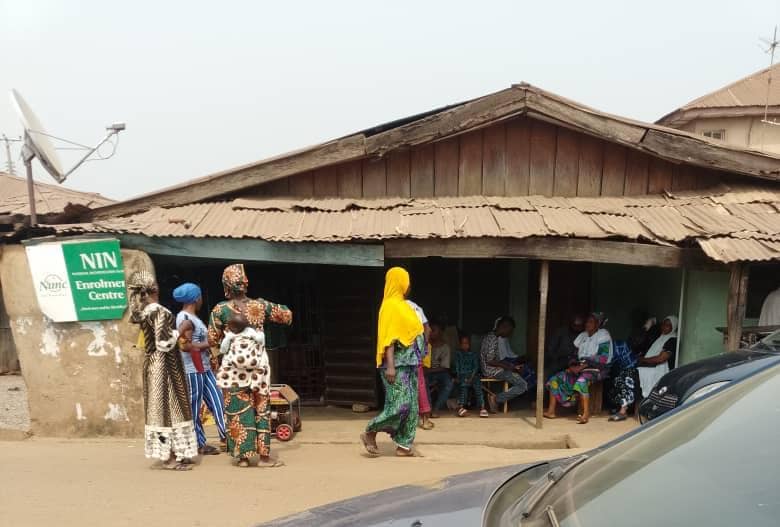
At a NIMC enrollment centre at Pakata Roundabout, Sootoo Street, Pakata, where applicants said they are charged N500 for new enrollment, N5,000 each for modification on address and name, and N45,000 for date-of-birth correction. While enrollment should be done free, the fees collected are also much higher than the approved charges of N2,000 and N28,574, respectively, for the same services.
An attendant at the centre identified as Abdulazeez described the emotional toll these modifications costs take on applicants.
“That thing has wahala because of the portal. Date of Birth is N45,000. We don’t like to do it here at all. We used to ask them to go to the NIMC office, it’s N35,000 there. There was one woman that came. She brought her slip with asterisks on three places, her middle name, phone number and date of birth. When I calculated everything, she placed her hands on her head and burst into tears in public. She said that the charges are more than the money sent to her by someone. I then asked her to go to the bank to change her BVN details to tally with that of the NIN,” Abdulazeez explained.
NIMC’s Anti-Extortion Measures
Attempts to speak to the NIMC Corporate Communication Spokesperson, Kayode Adegoke, on the issue, proved unsuccessful as he did not return calls as promised. However, available reports on the NIMC website showed the recently reviewed charges. These charges are in contradiction with what is being demanded at enrollment centres in the State.
It was also indicated on the website that payments are to be initiated through the NIMC Self-Service Portal using Remita, after generating a Remita Retrieval Reference (RRR). A tutorial on how to navigate the portal has been made available by NIMC. Yet many residents said they were unaware of the portal or lacked the digital literacy, devices, or confidence to use it.
“I didn’t know that I could do it online. I don’t know how it will be. Well, I prefer to come here instead. I don’t want anything to go wrong,” said Kehinde.
This preference, however, comes at a cost. The digital divide, when combined with unofficial charges, creates a two-tier issue, undermining the inclusiveness that Nigeria’s DPI framework seeks to achieve.
Although NIMC also provided details that payment can be made on behalf of someone, invoice for payment and the RRR code generated have to be presented before services are rendered. However, the reporter only used the written piece of paper to collect her reprinted NIN slip.
In December, 2025, NIMC DG, Abisoye Coker-Odusote warned staff against extortion. A press release by the Head of Corporate Communication, Kayode Adegoke, also maintained that NIN enrollment is free. The Commission added that it has “directed security agencies to track any staff or front-end partners (FEPS), caught extorting applicants for NIN enrollment. Anyone caught will be sanctioned appropriately in line with the provisions of the law, and the license of such FEP will be withdrawn.”
It also urged people to report incidents of extortion by its Staff or FEP that demands money for enrollment, through phone call (07002255646) or email.
Coker-Odusote at a roundtable with online newspaper Editors in Abuja said the commission had fired over 100 front-end partners (FEPS), retrained 7,167 enrollment agents and deployed grievance redress officers across all states, and reduced extortion incidents by over 40 per cent. She emphasised that the public display of the authorised charges for modifications also help promote transparency and accountability.
“We are addressing deep-rooted issues that once undermined public confidence in the enrolment process,” she maintained.
Despite these measures, residents in Ilorin insist unofficial charges persist.
“How many people know what they are saying on their website? Is this not their office? It is what the people here say that we will take as the official rate,” a woman in her mid-forties said.
Implications for Nigeria’s Digital Identity Targets
Nigeria’s digital identity system is a cornerstone of its DPI and a key requirement for accessing banking, healthcare, passports, social services, and government benefits.
Yet extortion remains a major barrier to inclusion. Under the World Bank-supported Digital Identity for Development (ID4D) project, Nigeria aimed to enrol 148 million people by June 2024, a target it missed. With a two-year extension expiring in 2026, the country still needs to enrol over 24 million people.
As of October 31, 2025, NIN enrollment was said to have risen to 123.9 million. To scale up the process, the Commission had trained ad-hoc staff to begin enrollments at the ward levels.
Reports, including a 2024 Premium Times investigation, confirm that extortion discourages low-income Nigerians from enrolling or correcting errors, leading many to remain excluded from the digital economy.
Activists Call for Accountability
Social activist, Olanrewaju Tijani, warned that distrust fuelled by extortion could permanently exclude large segments of the population from Nigeria’s digital systems.
“There are people who do not care about these things. They will remain unbanked, use private hospitals, traditional birth attendants, herbal medicines. There are people who will not register their children because the children are not even in school, they are learning skills to become artisans. One way to get them interested is to make the enrollment free and the modification charges affordable,” he said.
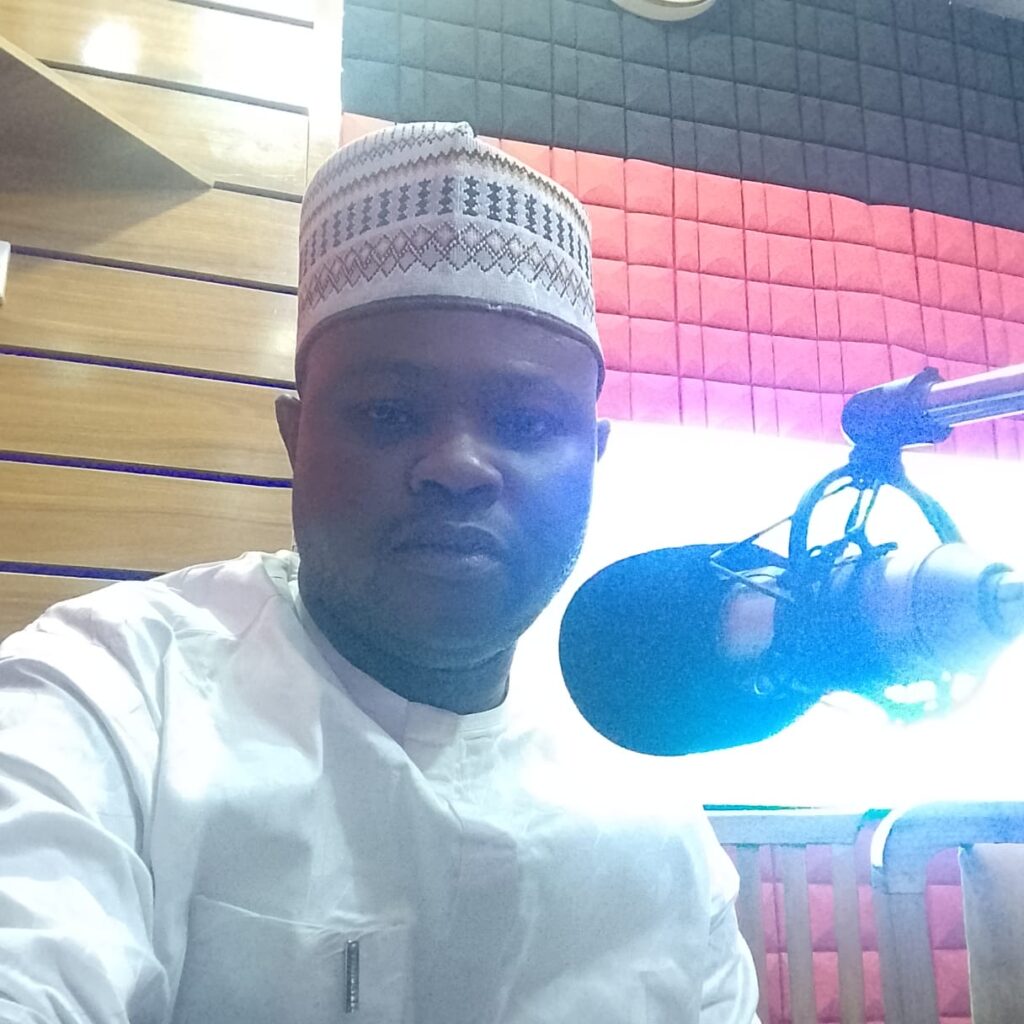
Human rights activist, Comrade Moshood Lanre Osho, called for a thorough investigation into the discrepancies between official charges and what is demanded in Kwara State.
“We can’t call it fraud, at the same time we can’t say that it is corruption until we hear from the officials. If their point is not tenable, then they can be dragged and made a deterrent. This report should serve as a wakeup call. A thorough investigation needs to be carried out,” he said.
This report is produced under the DPI Africa Journalism Fellowship Programme of the Media Foundation for West Africa and Co-Develop.
End


