

 0
0
 0
0
By Sola Rotimi
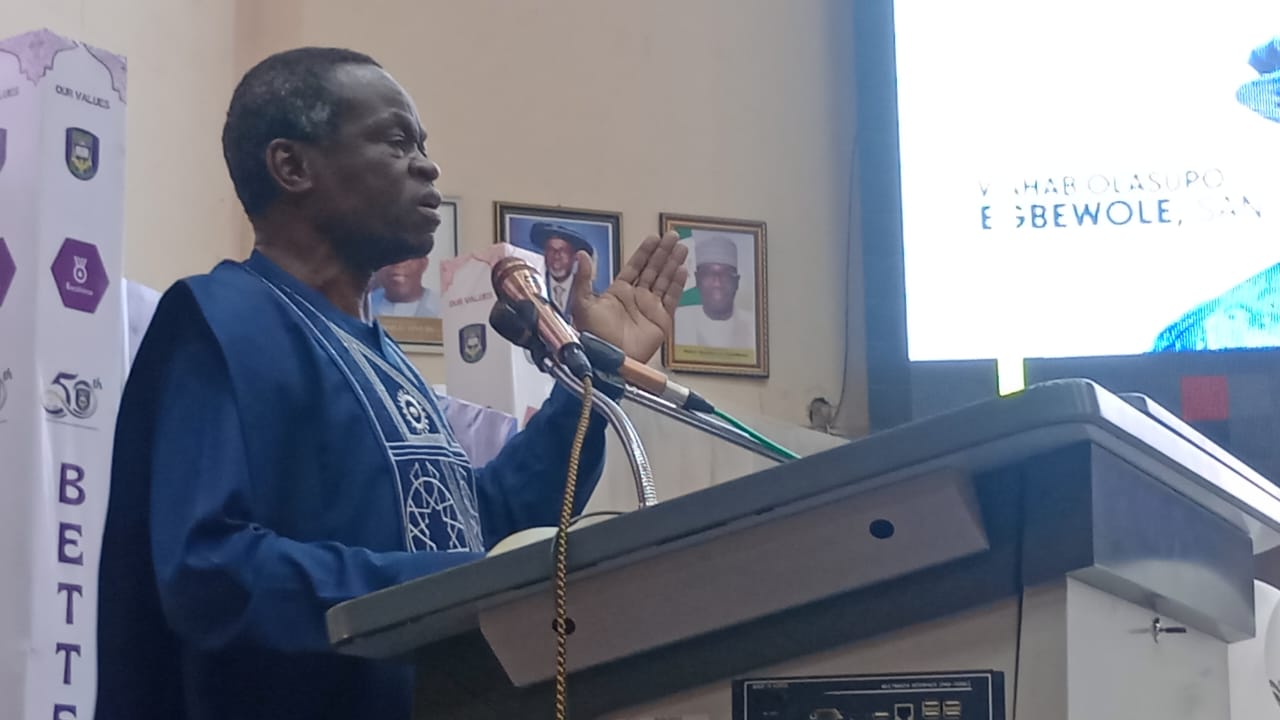
Renowned public speaker and international mediator, Prof. PLO Lumumba, has said African universities must be respected and adequately funded if the continent truly desires meaningful development.
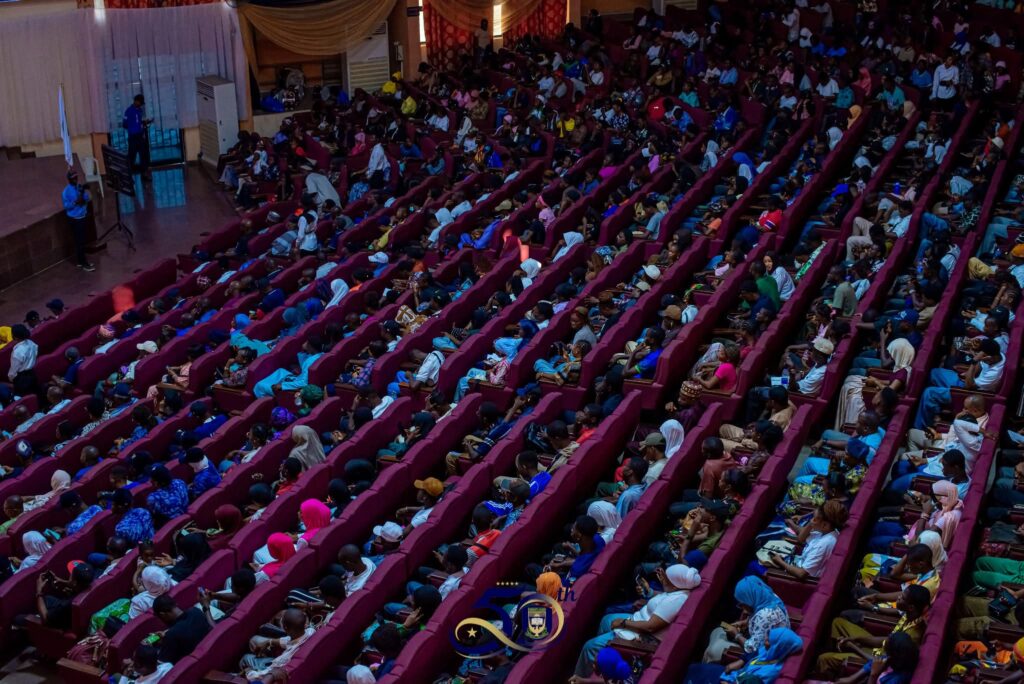
Lumumba made the assertion on Thursday while delivering the guest lecture at the 50th Anniversary celebration of the University of Ilorin.
He noted that Nigeria’s vast human resources continue to distinguish themselves globally, as seen in the countless Nigerian engineers, professors, and medical professionals excelling in Europe, America, and across Africa.
The Pan-Africanist stressed that Africa’s rise depends on giving scholars and academic institutions their rightful place through better remuneration, beginning with universities such as the University of Ilorin.
Reflecting on unfulfilled regional commitments, he made reference to the 1980 Lagos Plan of Action, where African leaders promised to strengthen education and intra-African trade but failed to follow through, as well as the 1991 Abuja Declaration, in which nations pledged to allocate 15 percent of their national budgets to health; an objective still unmet decades later.
According to him, these broken promises illustrate the continent’s longstanding gap between aspiration and action.
Lumumba urged the management of the University of Ilorin to take leadership in driving policies that benefit its immediate community, Nigeria, and Africa at large.
He lamented that Africa remains the only continent where academics are undervalued while politicians become multimillionaires; an imbalance he insisted must change for the continent to progress.
He also criticized Nigeria’s dependence on food imports, noting that despite the cultural banter around Jollof Rice between Nigeria and Ghana, Nigeria continues to import rice, beef, and poultry.
“Today, Africa cannot feed itself. This must stop,” he declared.
Lumumba emphasized that solutions to Africa’s challenges lie within a reformed, indigenous educational system and the need to totally embrace and promote its culture. He urged Nigerian universities to produce graduates capable of solving local problems and envisioned a future in which “the minds of young Nigerians and the minds of young Africans will be decolonized.”
According to him, the pathway to self-reliance is an agricultural revolution led by academia, with practical engagement in aquaculture, poultry farming, sugarcane cultivation, and other value-driven initiatives.
“I’m looking forward to the day when the engineers produced at the University of Ilorin will solve the problems of the African continent. I look forward to the University of Ilorin producing a different breed of agriculture graduates, so that when we talk about aquaculture, poultry farming, or sugarcane production in Nigeria, Africa will be able to feed itself,” he said.
He, however, acknowledged that the Unilorin is already taking steps in the right direction, especially with its engagement in large-scale agricultural projects.
“I have seen the 15,000-hectare area, including the Jatropha and Teak farms,” he added.
Earlier in his remarks, the Vice Chancellor of the University of Ilorin, Prof. Wahab Egbewole, noted that the institution was founded 50 years ago, not only to provide education but to transform lives, build character, and foster innovation as envisioned by its founding leaders.
He recalled that the university’s journey began in 1975 following a decree of the Federal Military Government, with academic activities commencing in 1976 when 200 pioneering students resumed on the mini campus. He said at the time, the university had only three faculties: Arts, Science, and Education, with a small but determined group of scholars.
Egbewole reeled out the institution’s achievements in academic stability and excellence, research and innovation, community-focused applied research, infrastructure development, global rankings, industry collaboration, and sustained growth.
President Bola Tinubu, Kwara State Governor AbdulRahman AbdulRazaq, First Lady Senator Oluremi Tinubu, and former Senate President Bukola Saraki were all duly represented at the ceremony.


