 0
0
 0
0
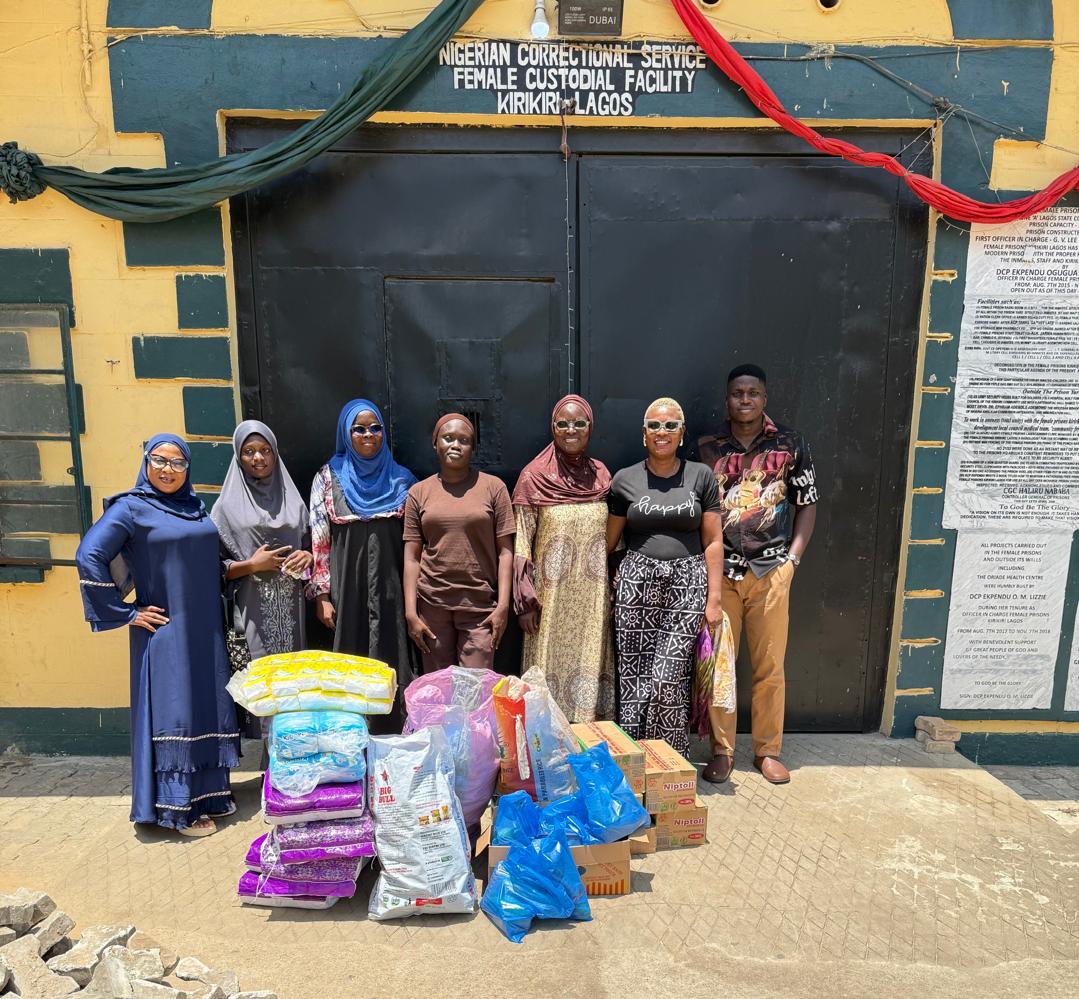
A humanitarian outreach by Balqueen Initiative to the Female Correctional Centre in Kirikiri, Lagos, has raised fresh concerns about access to healthcare for inmates in Nigeria’s correctional facilities.
Founder of the Initiative, Bilkis Abdulraheem Lawal, said the outreach, though aimed at providing support and health education, exposed deeper systemic gaps requiring urgent attention.
“We came to give support and share knowledge, but we left with bigger questions about responsibility and access to healthcare for these women,” she said.
The team distributed cooked meals, beverages, fruits, and essential toiletries, including sanitary pads, detergents, bathing soap, and diapers, for the seven inmates in the facility who are nursing mothers.
A major highlight of the visit was a health education session on fibroids delivered by an Assistant Chief Nursing Officer with the Lagos State Health Service Commission, Barakat Adekunle.
Mrs Adekunle educated the inmates on factors that may contribute to fibroid development, available treatment options, and common myths and misconceptions surrounding the condition.
“Fibroids are not caused by food, as some people assume. Early diagnosis and proper medical care are key. Delays, especially from relying on unverified treatments, can worsen the condition,” she said.
Fibroids remain a significant but underreported public health issue in Nigeria. At a recent event organised by Youterus Health in collaboration with White Ribbon Alliance Nigeria, it was revealed that about 45.1 per cent of Nigerian women are affected.
Despite this high prevalence, awareness remains low, while access to affordable treatment remains a major challenge.
The session took a critical turn when an inmate, who had been managing fibroids with herbal remedies for four years, was invited to participate.
She disclosed that fear and misinformation had prevented her from seeking hospital treatment despite worsening symptoms.
Following the session, however, she agreed to seek medical care after receiving proper guidance and reassurance, although she needs financial support for the surgery.
The facilitator of the programme, Hajia Lawal described the development as a significant outcome of the outreach.
“This is more than a health talk. It is the difference between fear and informed decision-making. That is the power of the right information,” she said.
She, however, raised concerns about access to treatment, noting that the inmate would have to fund the surgery herself.
“If an inmate needs life-saving surgery and cannot afford it, what happens next? Are we saying access?” she asked.
Hajia Lawal called for urgent government intervention, stressing the need for clear policies to support inmates with serious medical conditions.
She also decried the high number of awaiting trial inmates at the facility, noting that out of 303 inmates, 242 are yet to be convicted.
She urged relevant authorities to fast-track judicial processes and take deliberate steps to decongest correctional centres.
While appreciating donors and supporters, Hajia Lawal emphasised that humanitarian interventions should not replace institutional responsibility.
“We are grateful for the support we received, but interventions like this should complement a system, not substitute for one,” she said.
End


