 0
0
 0
0
By Abubakar Umar
The Rose Hope Foundation has launched an expanded social intervention programme aimed at promoting inclusive education, autism care, elderly support, and free vocational training for vulnerable populations across Nigeria.
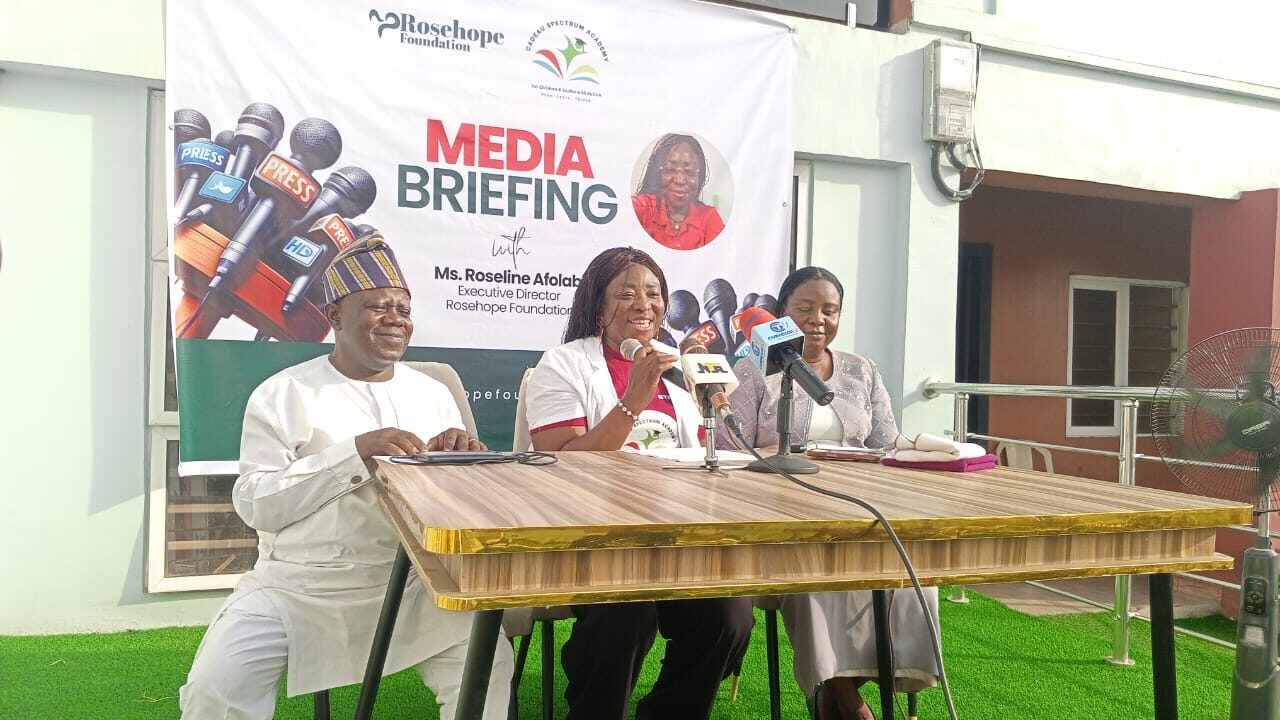
The initiative, unveiled during a press briefing at Cadeau Spectrum Academy, also featured a call for increased investment in social care systems by both government and the private sector.
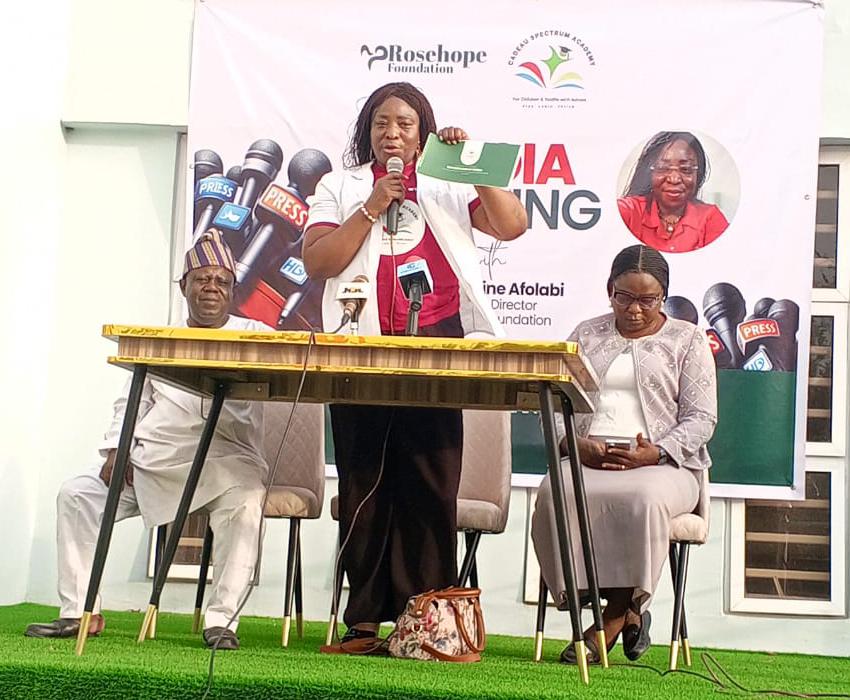
Speaking at the event, the foundation’s Executive Director, Rose Afolabi, said the organisation was established to bridge critical gaps in care for persons with special needs and the elderly.
Founded in April 2024, she explained that the foundation is committed to restoring dignity and creating opportunities for underserved groups through targeted interventions in care, education, and advocacy.
Afolabi outlined four key focus areas of the initiative: autism support services, elderly care, free vocational training, and research-driven community engagement to influence policies and improve welfare systems.
She noted that the foundation’s long-term vision is to build a society where disabilities are not seen as limitations but as alternative pathways for growth and meaningful contribution.
As part of the rollout, the foundation has introduced a free vocational training scheme open to all, including persons with disabilities.
The programme offers practical skills such as tailoring, hairdressing, and barbing to promote self-reliance and economic independence.
Highlighting the role of Cadeau Spectrum Academy, Afolabi described it as a specialised centre providing education and therapy for children on the autism spectrum.
She said the academy delivers personalised learning alongside speech and language therapy, occupational and sensory integration support, behavioural therapy, and creative development through arts and technology in a supportive, boarding-friendly environment.
On elderly care, she stressed the importance of dignity in ageing, noting that support must extend beyond medical needs to include emotional well-being and independence.
Afolabi disclosed that the academy is government-approved, with ongoing engagements to strengthen partnerships and ensure regulatory compliance.
She added that plans are underway to expand the model nationwide, with an additional branch already established in Epe, Lagos State.
While commending the Kwara State Government for its support toward special needs education, particularly through facilities such as the School for Special Needs in Apata Yakuba, Ilorin, she urged authorities at all levels to scale up investment in infrastructure, professional training, and inclusive policies.
She also encouraged parents of children with special needs to remain hopeful, assuring them of the foundation’s continued support.
In her remarks, Caroline Leo described the initiative as a strong example of community-driven intervention aligned with Rotary’s core values of service and empowerment.
She noted that Rotary members have supported the project from its early stages and have witnessed significant progress.
Leo said the initiative holds strong potential to evolve into a leading centre for rehabilitation and empowerment, particularly in education, vocational training, and care for both children and the elderly.
She stressed the importance of sustained collaboration, noting that while government support is vital, individuals and philanthropists also play a critical role in ensuring the success and sustainability of impactful initiatives.
Highlighting the growing relevance of vocational skills, she added that practical, hands-on training is increasingly essential in today’s economy, expressing confidence that the project will continue to expand and attract wider support.


