 0
0
 0
0
By Muinat Usman
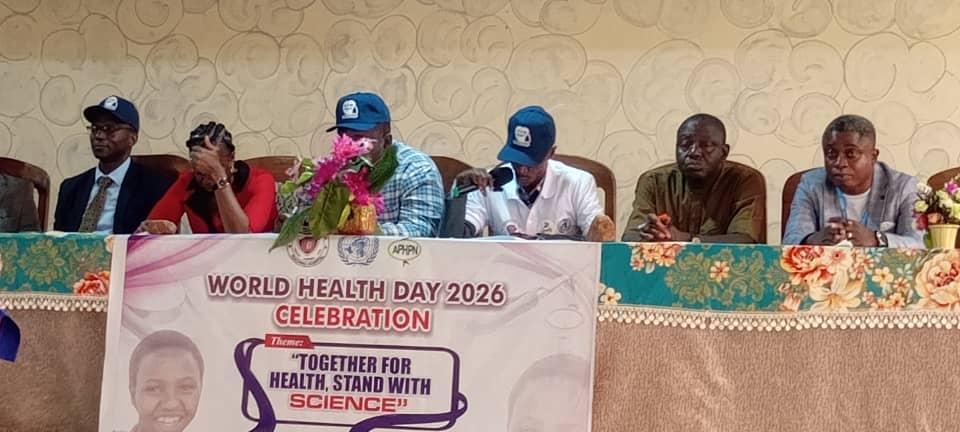
The need for closer collaboration among researchers, government institutions, and the media has been highlighted as a critical step toward addressing challenges in the health sector.
A Professor of Medicine at the University of Ilorin, Professor Kolawole Abdulwahab, made the call while delivering a lecture titled “Building Multisectoral Research Partnerships for a Healthier and Safer Population: Lessons from Global Scientific Networks.”
The lecture formed part of activities marking this year’s World Health Day, organised by the Department of Epidemiology and Community Health of the University of Ilorin Teaching Hospital (UITH), Oke Oyi, with the theme “Together for Health: Stand with Science.”
Professor Abdulwahab emphasised the importance of synergy over isolated efforts, urging researchers to collaborate with industry players and other stakeholders to develop practical, solution-driven research.

He noted that involving relevant stakeholders from the conceptual stage would enhance the implementation of research findings and improve health outcomes.
In a related lecture, the Executive Secretary of the Kwara State Primary Health Care Development Agency, Professor Nusirat Elelu, spoke on “Fostering a Healthier and Safer Future for All Using the One Health Approach: The Role of Government.”
Professor Elelu identified humans, animals, and the environment as key components of the One Health approach, explaining that many diseases affecting humans are transmitted from animals and influenced by environmental factors, including climate change.

She disclosed that more than 75 percent of emerging and re-emerging diseases are zoonotic, citing examples such as anthrax, rabies, and COVID-19.
Professor Elelu called for strong government commitment and ownership to ensure sustainable financing for One Health initiatives.
She also stressed the need for effective policies and enforcement of laws addressing the human-animal-environment interface, including regulation of wildlife trade, enforcement of food safety standards, and integration of human and animal disease surveillance systems to curb disease transmission.
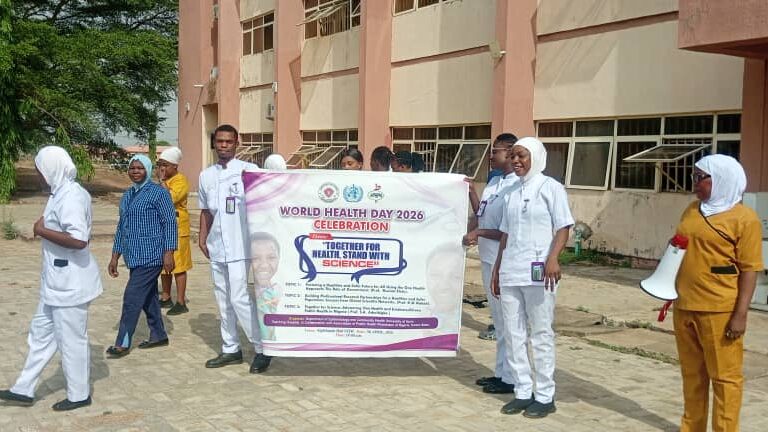
Earlier in his welcome address, the Head of Department of Epidemiology and Community Health, Professor Uthman Mubashir, described the lectures as timely and essential, noting that the One Health approach underscores the interconnectedness of human, animal, and environmental health, as advocated by the World Health Organization (WHO).
He added that the department has consistently organised the annual event and commended the hospital management for its continued support.
Goodwill messages were delivered by the Chief Medical Director of UITH, Professor Abdullah Yussuf, represented by the Chairman of the Chief Medical Advisory Committee, Professor Biliaminu, as well as the WHO State Coordinator for Kwara State, Dr Emmanuel Eyitayo.


