 1
1
 0
0
By Alfred Ajayi
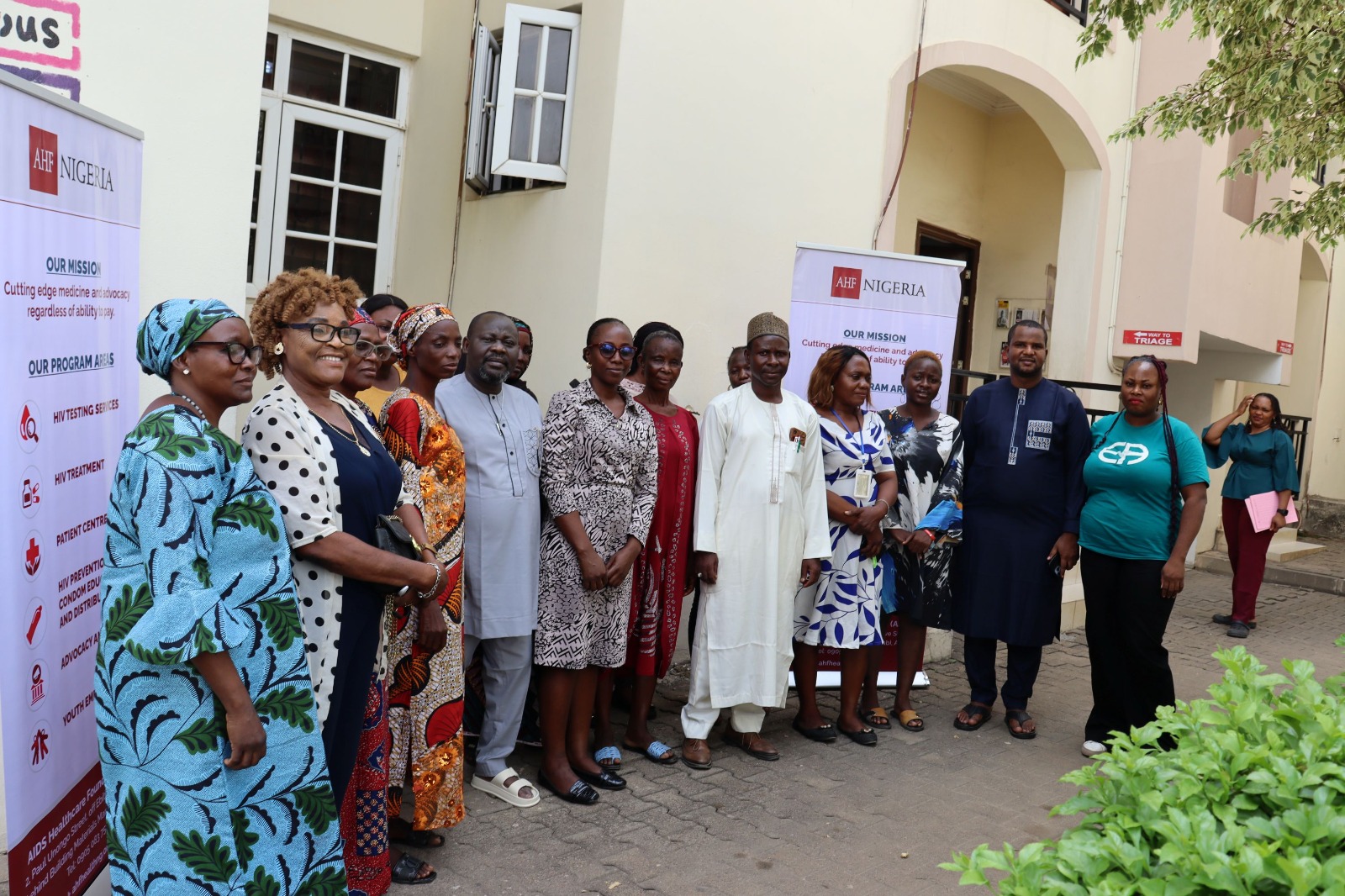
The AIDS Healthcare Foundation (AHF) Nigeria has introduced a community-focused radio programme, “Mentor Mothers,” aimed at reducing mother-to-child transmission of HIV and improving maternal health outcomes across the country.
Speaking at a stakeholders’ discussion in Abuja, Mr. Steve Aborisade, Senior Advocacy and Marketing Manager at AHF Nigeria, said the weekly programme which will air on ASO Radio is designed to close gaps in awareness and access to prevention services, particularly at the grassroots level, while also highlighting successes in prevention of mother-to-child transmission (PMTCT).
Aborisade noted that pediatric HIV infections remain a major concern in Nigeria, largely due to limited awareness among pregnant women about available prevention options. “The initiative leverages radio to reach underserved communities with accurate information on HIV prevention and treatment.”
According to him, the programme will run for 13 weeks, covering a full quarter of targeted radio engagement, adding that the programme which had been piloted in Benue State, recorded strong listener participation through call-ins and feedback. “We are encouraged by the response so far and optimistic about achieving similar engagement in other regions,” he said.
He further explained that the initiative complements existing community interventions, including the use of mentor mothers and traditional birth attendants to promote awareness. “Through mentor mothers, women living with HIV who have given birth to HIV-negative children—are being engaged to provide peer education and support within their communities.
Also speaking, Mrs. Omoseke Bamijoko, PMTCT Focal Person for AHF Nigeria in the Federal Capital Territory, emphasised that adherence to PMTCT protocols and proper medication can enable women living with HIV to deliver HIV-free babies.
She highlighted that HIV testing is part of routine antenatal care in Nigeria, with immediate enrolment into PMTCT services for those who test positive. “Low awareness and poor antenatal clinic attendance are key barriers to service uptake despite widespread availability.
“Our objective is to expand information dissemination, boost awareness, and encourage women to access antenatal and treatment services,” she said.
Malam Nuhu Aliyu, PMTCT Focal Person at the FCT AIDS, Viral Hepatitis and STIs Control Programme, said the initiative would help reach underserved communities and support efforts to eliminate HIV, Hepatitis B, and syphilis by 2030.
Mrs. Stella Ebeh of the FCT chapter of the Association of Women Living with HIV/AIDS in Nigeria stressed the importance of women’s empowerment and sustained awareness campaigns in reducing transmission rates.
Similarly, Hajiya Zainab Rabiu noted that the programme would strengthen community education, particularly encouraging pregnant women attending antenatal care to undergo HIV screening and access PMTCT services if needed.
Esther John, a mentor mother from Kuje, underscored the urgent need for widespread awareness, especially among young people and pregnant women, alongside improved access to testing kits and antiretroviral drugs.
The initiative is expected to significantly enhance public understanding and uptake of PMTCT services, contributing to the reduction of new pediatric HIV infections nationwide.
End


