 0
0
 0
0
By Rasheedat Iliyas
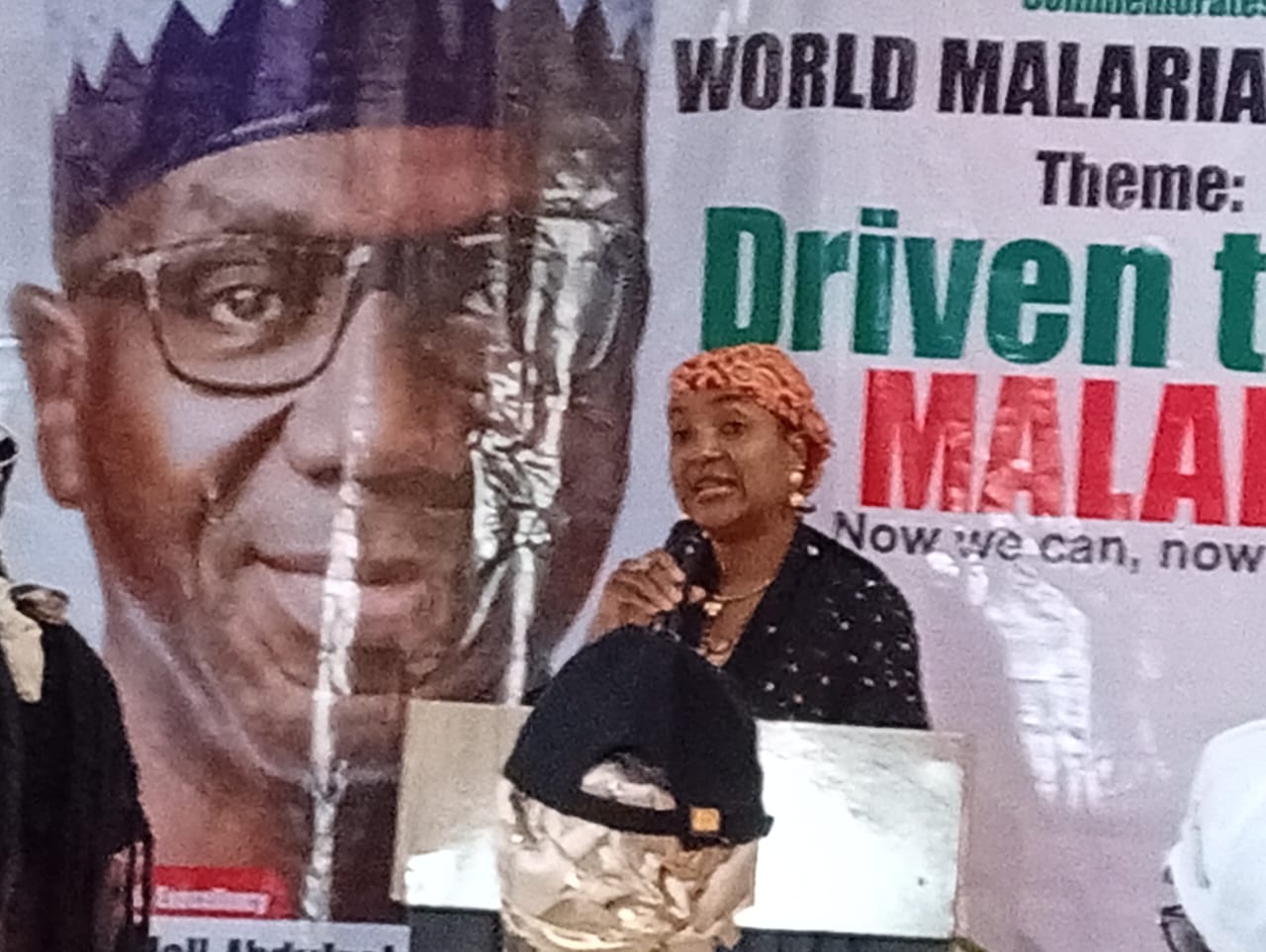
The Kwara State Government says it has achieved significant reduction in malaria prevalence in the State, particularly in pregnant women and children.
The State Commissioner for Health, Dr Amina El-Imam stated this at a press conference to mark this year’s World Malaria Day in Ilorin, the Kwara State capital.
Dr El-Imam said due to policies and programmes which aligns with the National Malaria Elimination Programme, “Kwara State has emerged as a technical model for sub-national success, identified as a “positive outlier”in the Nigerian context.
In 2021, Kwara State was categorised within the lowest tier of malaria prevalence (3–10%), maintaining a rate of only 6% among children aged 6–59 months.
Kwara in the most favourable tier for childhood mortality, recording 14 deaths per 1,000 live births.( NDHS 2024).”
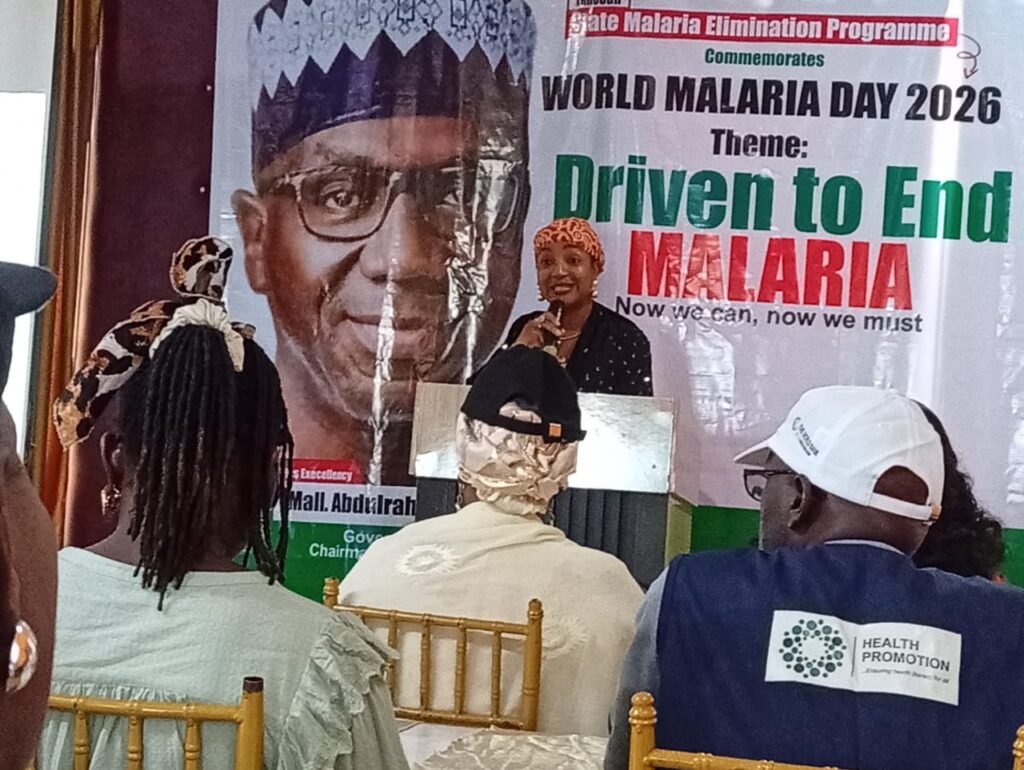
Dr El-Imam attributed the success being recorded in the State to the Governor Abdulrahman Abdulrazaq’s led administration’s to revitalising the Kwara healthcare sector.
This initiatives according to her, include the distribution of malaria prevention drugs to 350 health facilities across the 16 local government areas of the State to be given free to pregnant women; planned house to house distribution of free malaria drugs to children age three and 59 months in June, and distribution of two million insecticide treated mosquito nets.
The Commissioner announced that malaria treatment including testing, was free at some selected health facilities across the State.
Dr El-Imam, however, listed threats to sustainability of the success so far recorded to dwindling access to foreign aid, changing patterns in climatic condition, insecurity, and malaria resistance.
She therefore suggested financial self sustainability to “addressing the vulnerability caused by external funding reliance, rapid deployment of malaria vaccines and advanced vector control tools to underserved communities, strengthening the nexus between security, environmental management, and health access to ensure intervention continuity, and focusing on data-driven surveillance to proactively manage biological resistance and climate-related transmission spikes.
Earlier in an address, the World Health Organisation (WHO) Regional Director for Africa, Dr Mohammed Janabi represented by Dr Emmanuel Eyitayo, who affirmed that funding gaps continue to slow down response to malaria treatment and prevention, said “at least US$45 billion will be needed between 2026 and 2030 to meet global malaria targets.”
Dr Janabi recommended five priorities government must have to yield positive results.
“…countries must continue to lead the malaria response with strong national ownership. When governments prioritize malaria as a dividend of national development and mobilize domestic resources, they lay the foundation for sustainable impact.
Second, strategic intelligence must guide action. Robust surveillance systems, improved use of evidence and data analytics allow countries to anticipate threats, deploy interventions more effectively and ensure that resources are used where they can achieve the greatest impact.
Third, innovation must be accelerated and scaled equitably. The introduction of malaria vaccines, new vector control tools, and improved treatment strategies represents a major step forward.
At the same time, strengthening Africa’s research capacity and regional manufacturing can help ensure that innovation benefits those who need it most.
Fourth, primary health care must remain at the center of the malaria response.
People-centered health services delivered through strong community platforms enable early diagnosis, timely treatment and sustained prevention.
And fifth, ending malaria requires a whole-of-society effort. Environmental, social and economic factors shape malaria transmission.
Addressing these requires collaboration across sectors including health, housing, agriculture, education, environment and finance.
There must also be active participation of communities.


