 1
1
 0
0
By Alfred Ajayi
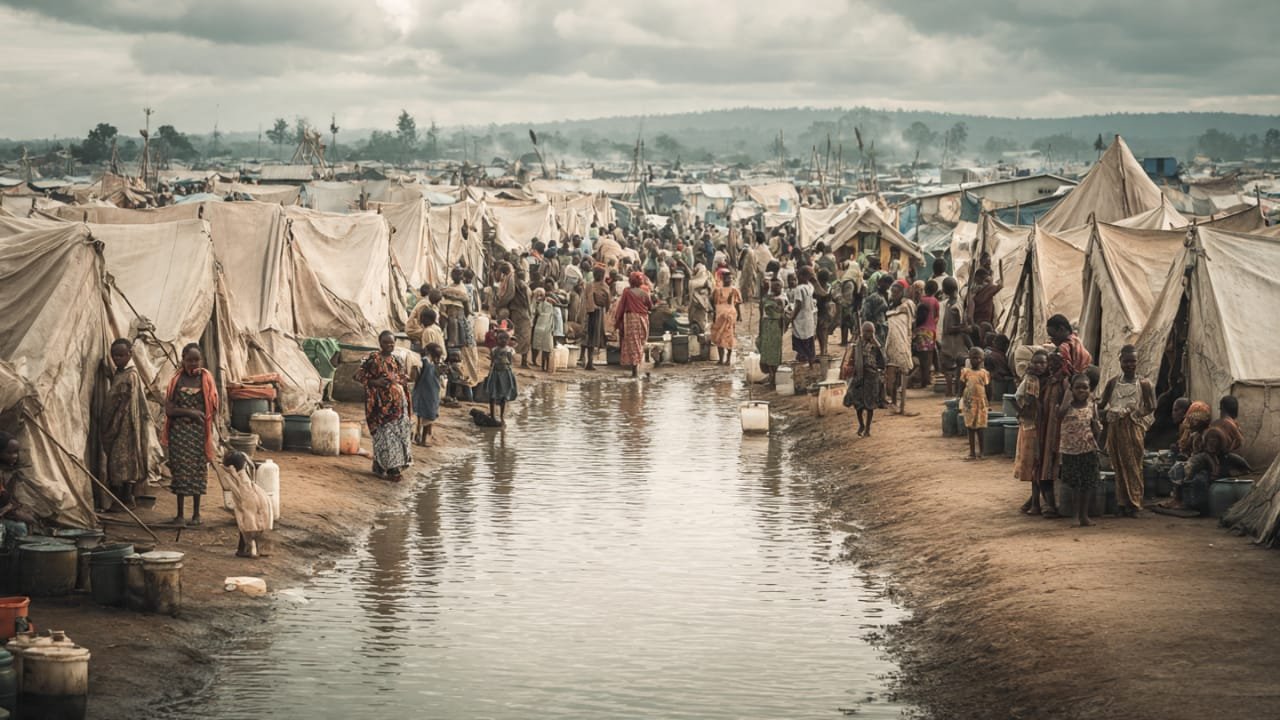
AI generated image
For millions of people across Nigeria, home is no longer a place of comfort and safety. Several communities have been ravaged by armed attacks, with many families forced to flee communal clashes, flooding and other forms of violence.
For all these, displacement has become a painful reality for many citizens. Behind every statistic is a story of disrupted lives, shattered dreams and uncertain futures.
Across the country, insecurity, environmental disasters and social tensions continue to uproot families, forcing them to abandon ancestral homes in search of safety. While some find temporary refuge with relatives and friends, others end up in camps or unfamiliar communities, often with little hope of returning home.
As the world commemorated World Refugee Day on June 20, 2026, under the theme, “Until Everyone Is Safe,” stakeholders stressed the need for Nigeria to address the root causes of displacement and ensure protection and dignity for millions forced from their homes.
The United Nations estimates that more than 117 million people worldwide have been forcibly displaced by conflict, persecution, violence and disasters. Countries such as Sudan, the Democratic Republic of the Congo, Ukraine, Syria, Afghanistan and Myanmar continue to witness massive humanitarian crises.
Nigeria is facing a major displacement crisis, with humanitarian agencies estimating that about 3.6 million people are internally displaced due to insurgency, armed violence, communal conflicts, banditry and climate-related disasters, while over 400,000 Nigerians live as refugees in neighbouring countries.
For Dr. Chidozie Obiorah of the Department of Political Science, Nnamdi Azikiwe University, the challenge of internally displaced persons (IDPs) is a direct consequence of the country’s failure to adequately address insecurity.
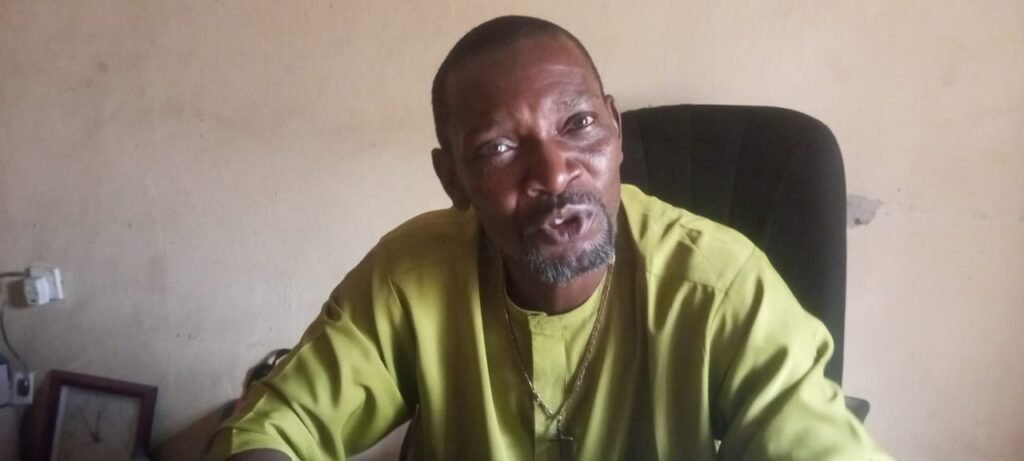
According to him, displacement does not occur in isolation but is rooted in the inability of the state to fulfil one of its primary responsibilities — the protection of lives and property.
Social Contract Theory
Drawing from the social contract theory, Obiorah explained that citizens surrender certain powers to government with the expectation that government will provide security and other essential services.
“Internally displaced persons do not just emerge without cause. The root cause is insecurity. Nigerians can no longer sleep with both eyes closed because of persistent attacks and kidnappings,” he said.
He observed that insecurity, once concentrated mainly in northern Nigeria, has gradually spread to the South-East and South-West, thereby expanding the scale of displacement.
Obiorah also questioned how armed non-state actors continue to gain access to sophisticated weapons, arguing that such concerns must be addressed if the displacement crisis is to be effectively tackled.
He maintained that leadership remains central to solving the problem.
Referencing The Trouble with Nigeria, the political scientist argued that despite Nigeria’s enormous human and natural resources, poor leadership continues to undermine national progress.
“Until the country finds the right approach to solving insecurity, the challenges associated with internally displaced persons will remain difficult to overcome,” he stated.
Offering a civil society perspective, Southeast Coordinator of the Civil Society Network of Nigeria, Prince Chris Azor, stressed that security, peacebuilding and humanitarian response must go hand in hand.
He noted that millions of displaced persons across the world continue to search for safety and dignity, while insecurity within Nigeria continues to force families from their homes.
“The South East has not been spared, as insecurity continues to disrupt livelihoods and force families from their homes.
“This is a reminder that security, peacebuilding and humanitarian response must go hand in hand.”
Azor said governments, development partners, civil society organisations and local communities must work together to address the root causes of violence while providing support for displaced persons.
“Government, civil society, development partners and communities must work together to address the root causes of violence, support displaced persons and create conditions for safe return and sustainable peace.
“Every displaced person deserves not only protection, but also hope and opportunities to rebuild their lives. Creating conditions for safe return and sustainable peace should remain a priority.”
Causes of Displacement
For public affairs commentator, Mr. Joshua Njimaezi, displacement in Nigeria is driven by a complex mix of social, political and environmental factors.
He identified communal land disputes, ethnicity, tribalism and religious intolerance as major triggers of violence and forced migration.
Recalling his childhood experience, Njimaezi narrated how an inter-tribal conflict in his community forced many people to abandon their ancestral homes, with some never returning.
He also reflected on the aftermath of the Nigerian Civil War, recalling how families displaced by the conflict had to seek refuge in the homes of relatives and strangers.
“In 1993, some Igbo people who had lived in the western part of the country returned home for the first time, and families had to create space to accommodate them. They were not as free and comfortable as others,” he recalled.
Njimaezi warned that hate speech, ethnic divisions and exclusionary politics continue to fuel tensions capable of escalating into violent conflicts.
He advocated a more inclusive political arrangement, including equitable power rotation among the country’s six geopolitical zones, to promote national unity.
Beyond conflict, he identified flooding as another major cause of displacement, blaming indiscriminate construction on waterways and poor environmental sanitation for worsening the problem.
“People live and buy land on waterways. Many go to the extent of blocking waterways. This has resulted in flooding which displaced many people. During each episode, camps are opened for internally displaced persons (IDPs).”

He called for stricter enforcement of environmental regulations, regular sanitation exercises and proper urban planning to reduce flood-related displacement.
The commentator further urged government to strengthen border security to prevent the influx of criminal elements, while empowering traditional institutions to resolve communal and land disputes before they degenerate into major security threats.
As Nigeria joins the rest of the world in reflecting on the plight of refugees and internally displaced persons, stakeholders agree on one point: until insecurity, poor governance, social divisions and environmental mismanagement are effectively addressed, millions may continue to live without the comfort and dignity that come with having a place to truly call home.
End


